 Mohamed Shili
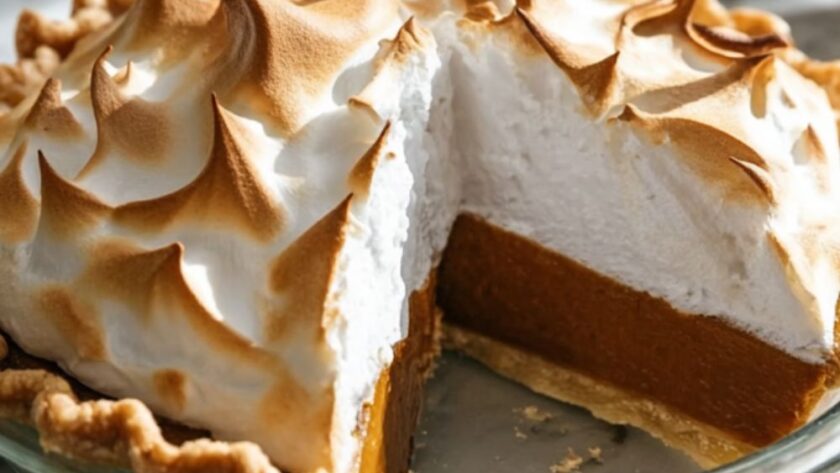
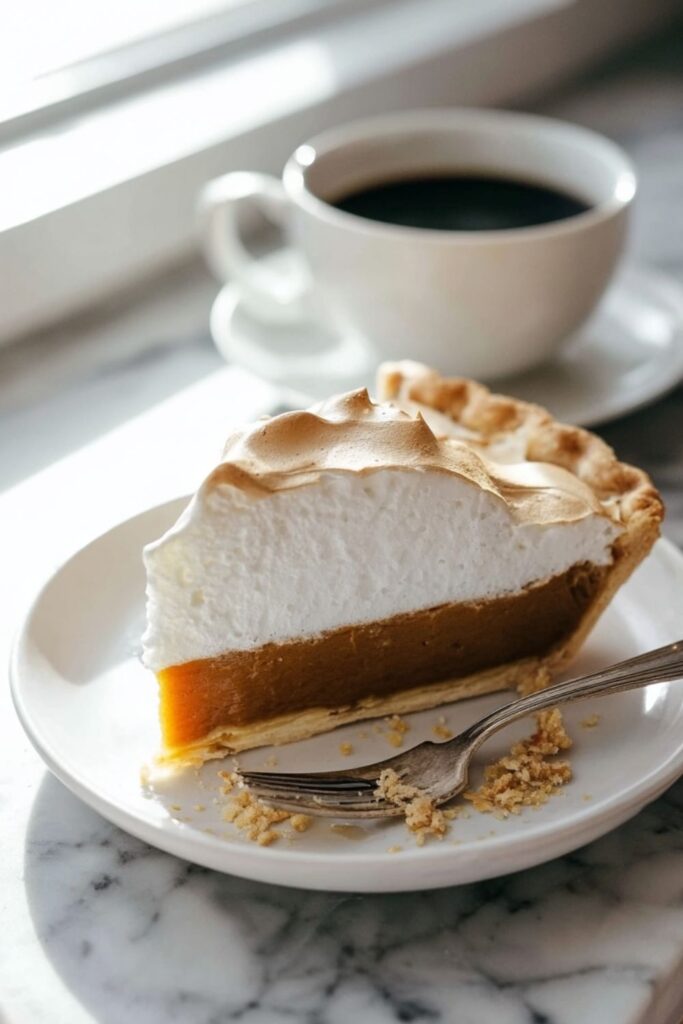
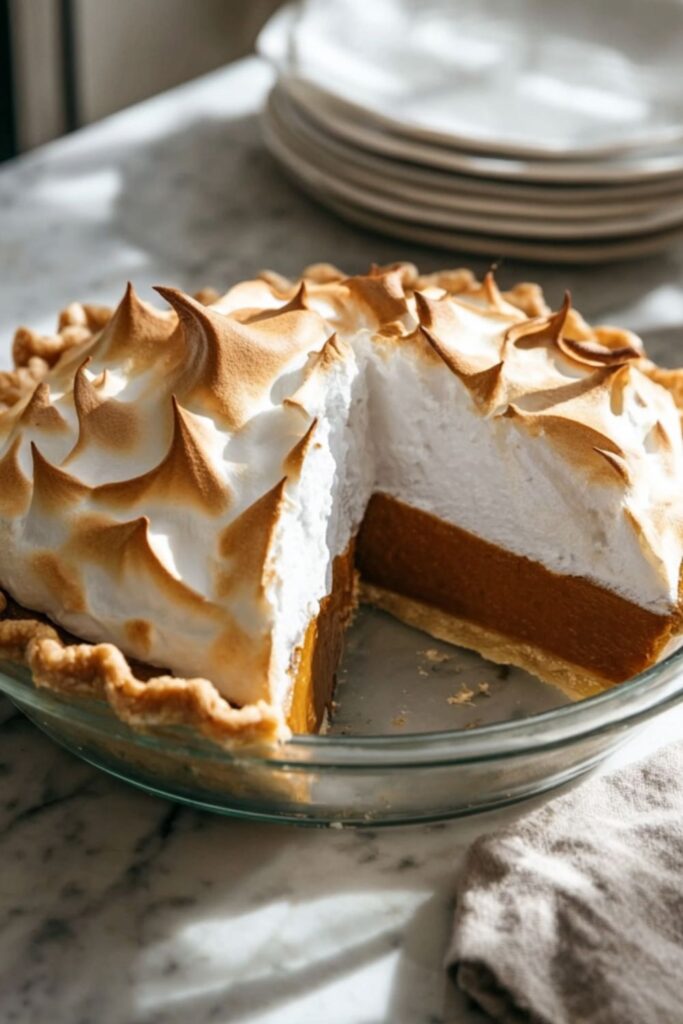
 Pioneer Woman Butterscotch Pie is a nostalgic American masterpiece. This old-fashioned dessert features a silky, deep-gold custard made with dark brown sugar and real butter, tucked into a crisp pastry shell and crowned with a toasted, cloud-like meringue.
If you do nothing else, temper your egg yolks slowly. That is the difference between a velvety, professional-grade custard and a bowl of sweet scrambled eggs. I’ve found that adding the hot milk mixture to the yolks one tiny tablespoon at a time for the first half-cup ensures the eggs reach the right temperature without curdling.
The cornstarch is doing more work than you’d think here. While the egg yolks provide the richness, the cornstarch provides the structural “set” that allows you to cut a clean, standing slice of pie. I made this for a Sunday supper recently, and the way the salty-sweet butterscotch contrasts with the airy, light meringue had everyone asking if I’d spent all day in the kitchen.
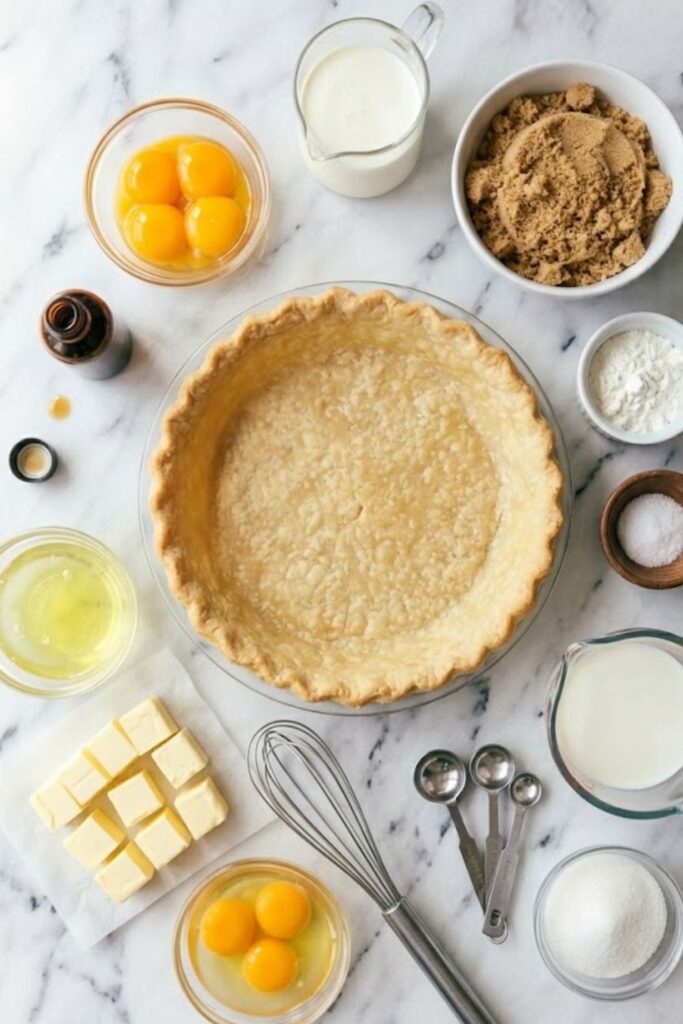
Pioneer Woman Butterscotch Pie Ingredients
For the Butterscotch Filling:
- 1 9-inch baked pie crust (store-bought or homemade)
- 4 large egg yolks
- 1/4 cup (60ml) heavy whipping cream
- 1 1/3 cups (293g) packed light brown sugar
- 6 tablespoons (42g) cornstarch
- 1/2 teaspoon kosher salt
- 2 cups (480ml) whole milk
- 1/4 cup (55g) unsalted butter, cubed
- 1 teaspoon vanilla extract
For the Meringue Topping:
- 3 large egg whites
- 1/4 cup (50g) granulated sugar
How To Make Pioneer Woman Butterscotch Pie
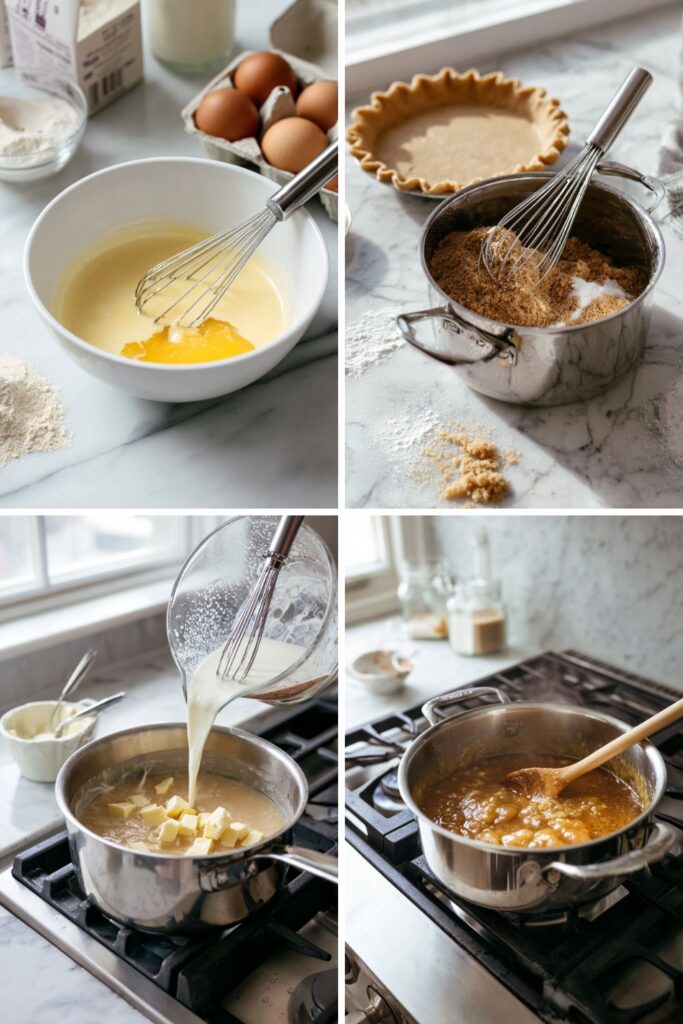
- 1. Prep the yolk base: In a heat-resistant bowl, whisk the 4 egg yolks and heavy cream together until smooth. Set this aside near your stovetop.
- 2. Whisk the dry base: In a medium, heavy-bottomed pot, whisk the brown sugar, cornstarch, and salt. This breaks up any sugar clumps before the liquid hits.
- 3. Combine and melt: Gradually whisk the milk into the sugar mixture until no lumps remain. Drop in the cubed butter and place the pot over medium-high heat.
- 4. Thicken the milk: Stir frequently for about 5 minutes until the mixture reaches a boil and thickens. Once it bubbles, drop the heat to medium-low and cook for 2 more minutes, stirring constantly to prevent scorching.
- 5. Temper the eggs: Remove the pot from the heat. Slowly drizzle about 1/2 cup of the hot milk mixture into your egg yolk bowl, whisking the yolks vigorously as you pour. This “wakes up” the eggs so they don’t cook instantly.
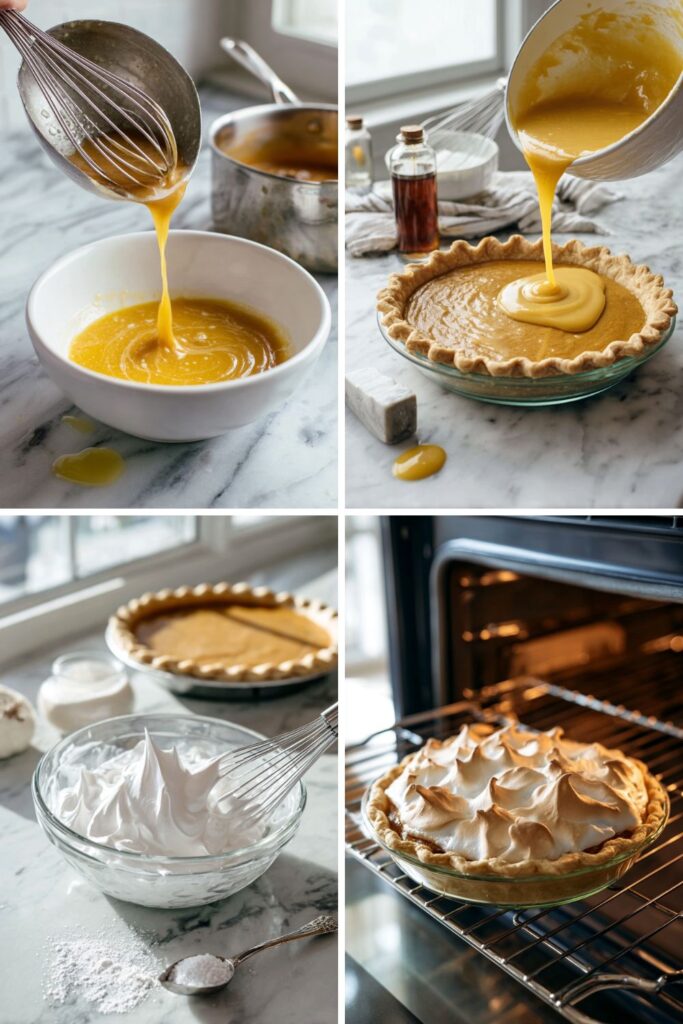
- 6. Final thicken: Pour the warmed egg mixture back into the pot with the rest of the milk. Return to medium heat and stir until it bubbles again and reaches 88°C–93°C (190°F–200°F) on a thermometer. Stir in the vanilla and pour into your pre-baked crust.
- 7. Whip the meringue: Preheat your oven to 190°C (375°F). Beat the 3 egg whites until soft peaks form, then gradually add the granulated sugar one tablespoon at a time until the peaks are stiff, glossy, and stand up straight.
- 8. Bake and set: Spread the meringue over the warm filling, making sure to “anchor” it by touching the edges of the crust. Bake for 10 minutes until the peaks are golden brown.
Recipe Tips
- Seal the Edges: When spreading your meringue, make sure it touches the pie crust all the way around. This prevents the meringue from shrinking or “weeping” as it cools.
- Use a Heavy Pot: Thin stainless steel pots have hot spots that will burn the sugar and milk before the cornstarch has a chance to thicken the pie. Cast iron or heavy-clad pans are best.
- Don’t Over-beat the Egg Whites: If you beat them until they look dry or chunky, they will collapse in the oven. Stop as soon as they look shiny and hold their shape.
- Sift the Cornstarch: If your cornstarch is old, it can form tiny hard beads. Sifting it into the brown sugar ensures the custard comes out perfectly smooth.
- The “Anchor” Cooling: Let the pie sit on a wire rack at room temperature for at least 3 hours. If you put a hot pie straight into the fridge, the temperature shock will cause the meringue to release moisture and slide off the custard.
What To Serve With Pioneer Woman Butterscotch Pie
This pie is quite rich, so it pairs beautifully with a strong, bitter black coffee or a glass of cold milk.
If you want to lean into the “salty” side of the butterscotch, a tiny sprinkle of flaky sea salt over the toasted meringue right before serving adds a modern, gourmet touch.
How To Store Pioneer Woman Butterscotch Pie
- Fridge: Once completely cool, store the pie in the refrigerator. Use a “tent” of foil so the wrapping doesn’t touch the delicate meringue. It will stay fresh for up to 2 days.
- Note: Meringue does not like humidity. On a rainy day, it may get a bit sticky or “bead” with sugar droplets, but it will still taste delicious.
- Freeze: I do not recommend freezing this pie. The custard will separate and the meringue will turn rubbery once thawed.
Pioneer Woman Butterscotch Pie Nutrition Facts
Per serving (1 of 8):
- Calories: 395 kcal
- Protein: 6g
- Fat: 18g
- Carbohydrates: 54g
- Sugar: 42g
- Sodium: 260mg
FAQs
Why is my filling runny?
This usually means the mixture didn’t get hot enough. Cornstarch needs to reach a full boil for about a minute to fully activate its thickening power. Make sure you see those large “bloop” bubbles before removing it from the heat.
Can I use dark brown sugar instead?
Yes. Dark brown sugar has more molasses, which will give the pie a deeper, more intense “toffee” flavor and a darker color.
My meringue is “sweating” water. Why?
This is called “weeping.” It happens if the meringue is spread over cold filling or if the sugar wasn’t fully dissolved in the egg whites. Spreading it over the warm filling helps cook the bottom of the meringue.
Can I skip the meringue and use whipped cream?
Absolutely! If you prefer whipped cream, let the pie cool completely in the fridge for 4 hours, then top with freshly whipped cream right before serving.
Try More Pioneer Woman Recipes:
- Pioneer Woman German Chocolate Pie
- Pioneer Woman Pecan Pie
- Pioneer Woman White Chocolate Bread Pudding

Pioneer Woman Butterscotch Pie
Description
The Pioneer Woman’s Butterscotch Pie is an old-fashioned, diner-style classic that balances rich, buttery caramel notes with a cloud of light, toasted meringue. By cooking down a homemade brown sugar and egg yolk custard on the stove, you achieve a deep, authentic butterscotch flavor that simply can’t be matched by boxed puddings. It is a decadent, show-stopping dessert perfect for the holidays or Sunday dinners.
Ingredients
For the Butterscotch Filling:
For the Meringue Topping:
Instructions
- Prep the yolk base: In a heat-resistant bowl, whisk the 4 egg yolks and heavy cream together until smooth. Set this aside near your stovetop.
- Whisk the dry base: In a medium, heavy-bottomed pot, whisk the brown sugar, cornstarch, and salt. This breaks up any sugar clumps before the liquid hits.
- Combine and melt: Gradually whisk the milk into the sugar mixture until no lumps remain. Drop in the cubed butter and place the pot over medium-high heat.
- Thicken the milk: Stir frequently for about 5 minutes until the mixture reaches a boil and thickens. Once it bubbles, drop the heat to medium-low and cook for 2 more minutes, stirring constantly to prevent scorching.
- Temper the eggs: Remove the pot from the heat. Slowly drizzle about 1/2 cup of the hot milk mixture into your egg yolk bowl, whisking the yolks vigorously as you pour. This “wakes up” the eggs so they don’t cook instantly.
- Final thicken: Pour the warmed egg mixture back into the pot with the rest of the milk. Return to medium heat and stir until it bubbles again and reaches 88°C–93°C (190°F–200°F) on a thermometer. Stir in the vanilla and pour into your pre-baked crust.
- Whip the meringue: Preheat your oven to 190°C (375°F). Beat the 3 egg whites until soft peaks form, then gradually add the granulated sugar one tablespoon at a time until the peaks are stiff, glossy, and stand up straight.
- Bake and set: Spread the meringue over the warm filling, making sure to “anchor” it by touching the edges of the crust. Bake for 10 minutes until the peaks are golden brown.
Notes
-
Seal the Edges: When spreading your meringue, make sure it touches the pie crust all the way around. This prevents the meringue from shrinking or “weeping” as it cools.
Use a Heavy Pot: Thin stainless steel pots have hot spots that will burn the sugar and milk before the cornstarch has a chance to thicken the pie. Cast iron or heavy-clad pans are best.
Don’t Over-beat the Egg Whites: If you beat them until they look dry or chunky, they will collapse in the oven. Stop as soon as they look shiny and hold their shape.
Sift the Cornstarch: If your cornstarch is old, it can form tiny hard beads. Sifting it into the brown sugar ensures the custard comes out perfectly smooth.
The “Anchor” Cooling: Let the pie sit on a wire rack at room temperature for at least 3 hours. If you put a hot pie straight into the fridge, the temperature shock will cause the meringue to release moisture and slide off the custard.
