
 Claire Dawson
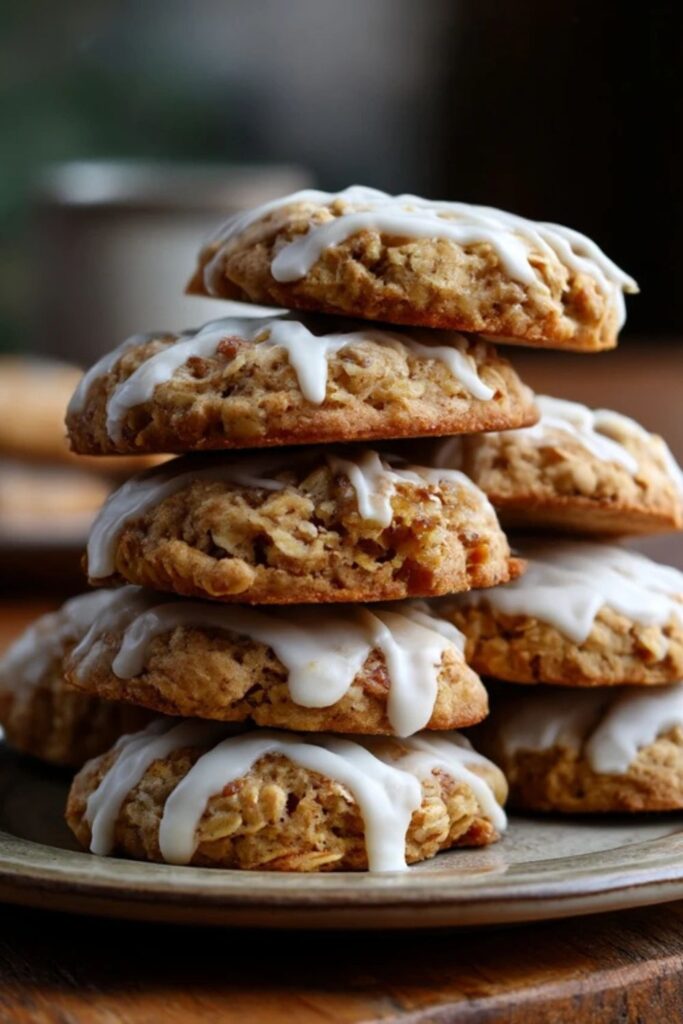
 Pioneer Woman Iced Oatmeal Cookies are a classic American dessert snack with a chewy center and crisp edges. These treats feature hearty rolled oats, warm cinnamon, and a sweet vanilla glaze that settles into every nook and cranny.
I’ve tried a few versions of oatmeal cookies and this one from Ree Drummond is the one I keep going back to because it gets the texture exactly right. The first time I made these, I used quick oats by mistake and the cookies turned out flat and sad. Now I always pulse old-fashioned oats in the food processor just a few times to get that specific craggy surface that catches the icing.
If you do nothing else, make sure your butter is actually at room temperature before you start. Cold butter won’t cream properly with the sugars, and you’ll end up with a greasy mess instead of a light, airy dough. I’ve found that letting the cookies cool completely on the pan helps them set up so they don’t break when you dunk them in the glaze.
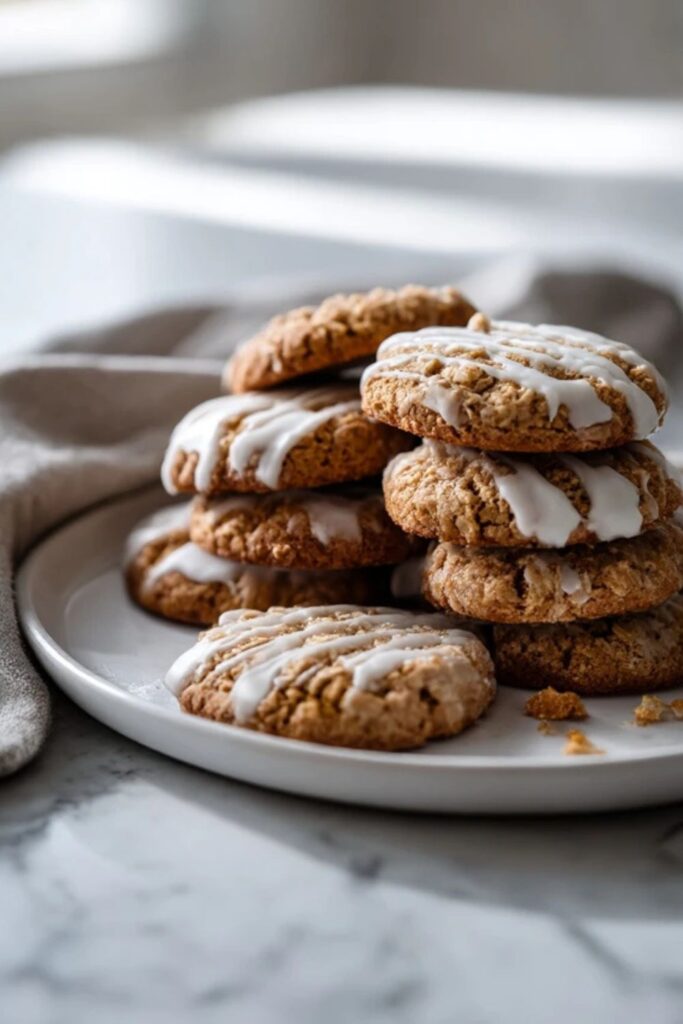
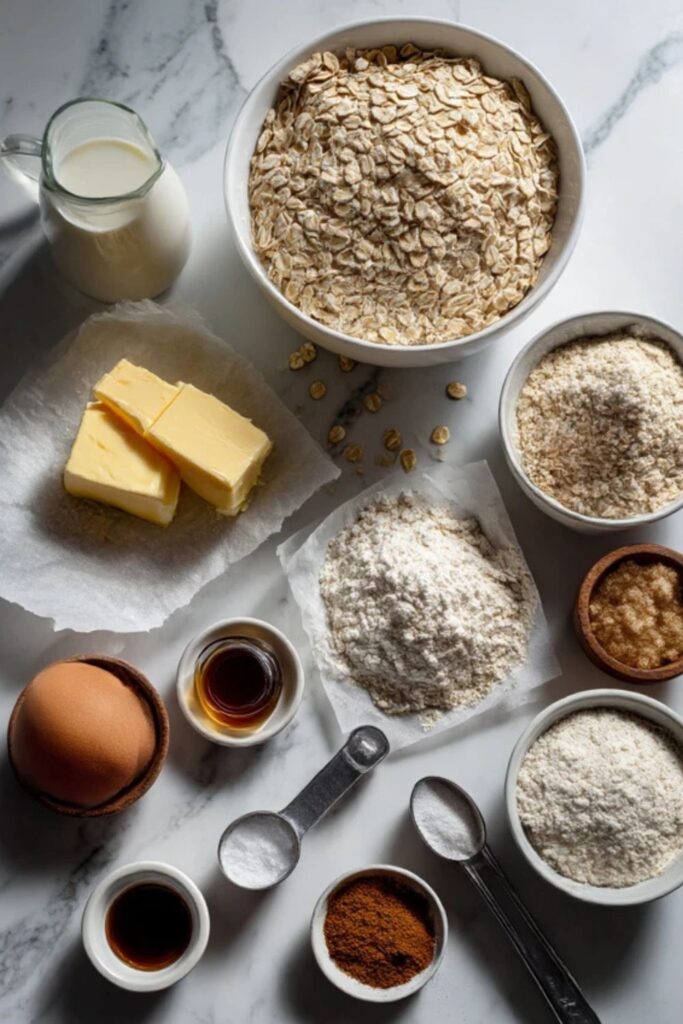
Pioneer Woman Iced Oatmeal Cookies Ingredients
For the Cookies
- 2 cups (250g) all-purpose flour
- 2 cups (180g) old-fashioned rolled oats
- 1 cup (225g) unsalted butter, softened
- 1 cup (200g) packed brown sugar
- 1/2 cup (100g) granulated sugar
- 1 large egg
- 1 teaspoon (5ml) vanilla extract
- 1 teaspoon baking powder
- 1/2 teaspoon baking soda
- 1 teaspoon ground cinnamon
- 1/2 teaspoon ground nutmeg
- 1/2 teaspoon salt
For the Icing
- 2 cups (240g) powdered sugar
- 3 tablespoons (45ml) whole milk
- 1/2 teaspoon (2.5ml) vanilla extract
How To Make Pioneer Woman Iced Oatmeal Cookies
- 1. Prep the oats: Pulse the rolled oats in a food processor about five or six times until they’re broken up but not a fine powder. This creates a rough texture that looks great and helps the icing stick to the top.
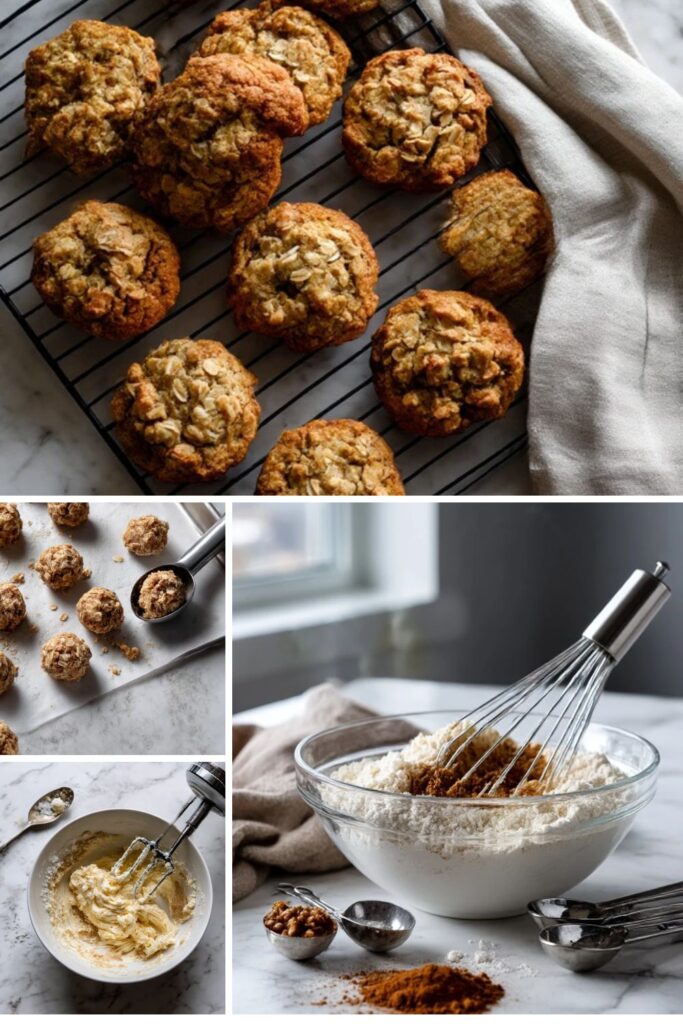
- 2. Mix the dry ingredients: Whisk the flour, pulsed oats, baking powder, baking soda, cinnamon, nutmeg, and salt in a large bowl. Make sure the spices are spread evenly so you don’t get a big clump of nutmeg in one bite.
- 3. Cream the butter and sugars: Beat the softened butter with both the brown and white sugars in a separate bowl until the mixture is pale and fluffy. This usually takes about three minutes with an electric mixer on medium speed.
- 4. Add the wet ingredients: Mix in the egg and vanilla extract until they’re fully combined with the butter mixture. Scrape down the sides of the bowl with a spatula to make sure nothing is hiding at the bottom.
- 5. Combine everything: Add the flour mixture to the wet ingredients and stir until just combined. Stop mixing as soon as you can’t see any more dry flour streaks.
- Overmixing at this stage develops too much gluten. If you keep stirring, your cookies will turn out tough and bready instead of tender and chewy.
- 6. Chill the dough: Wrap the dough in plastic and put it in the fridge for at least 30 minutes. Cold dough spreads less in the oven, which gives you a thicker cookie with a better shape.
- 7. Bake the cookies: Scoop rounded tablespoons of dough onto a baking sheet and bake at 175°C (350°F) for 10 to 12 minutes. Take them out when the edges are light golden brown even if the centers still look a bit soft.
- 8. Cool completely: Let the cookies stay on the hot baking sheet for five minutes before moving them to a wire rack. They need to be stone cold before you even think about starting the icing.
- 9. Make the icing: Whisk the powdered sugar, milk, and vanilla in a small bowl until the mixture is smooth and thick. It should be thin enough to dip but thick enough that it doesn’t just run off the cookie.
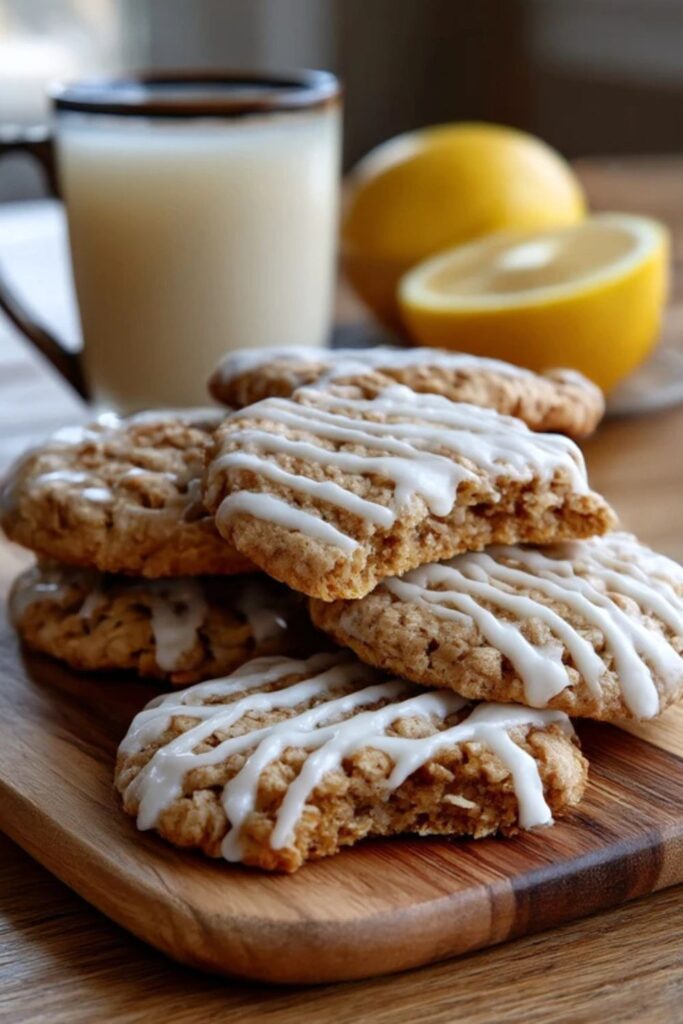
- 10. Glaze the tops: Dip the top of each cooled cookie into the icing very lightly so it only hits the high spots. Set them back on the wire rack and let the glaze harden for at least 20 minutes before serving.
Recipe Tips
- Check your spices. If your cinnamon or nutmeg has been sitting in the cupboard for three years, replace them. Fresh spices provide a much stronger scent and better flavor that makes these cookies stand out.
- Use a cookie scoop. Using a trigger-release scoop ensures every portion is the same size. This means they’ll all finish baking at the same time so you don’t have half burnt and half raw cookies.
- Watch the milk. Add the milk to the powdered sugar one tablespoon at a time. It’s much easier to thin out a thick glaze than it is to fix a runny one once you’ve run out of sugar.
- Don’t skip the salt. Even though these are sweet, the salt balances the sugar and brings out the nutty flavor of the oats. Use fine sea salt so it dissolves easily into the dough.
- Store them flat. If you stack these before the icing is completely hard, they’ll stick together and ruin the look. Wait until the glaze feels dry and firm to the touch.
- Room temperature is best. Take your egg out of the fridge at the same time as your butter. A cold egg can seize the creamed butter and cause the dough to look curdled.
What To Serve With Iced Oatmeal Cookies
A tall glass of cold milk is the traditional choice for these. The creamy liquid balances the spicy cinnamon and sweet glaze perfectly.
If you’re having them for a mid-afternoon snack, a hot cup of tea or a bitter black coffee works well. The warmth from the drink softens the cookie just enough if you like to dunk them.
How To Store Iced Oatmeal Cookies
- Fridge: Keep these in an airtight container at room temperature for up to five days. You don’t need to put them in the fridge as the cold air will actually make them go stale faster.
- Reheat: These are best served at room temperature so you don’t need to heat them up. If you want that fresh-from-the-oven feel, put one in the microwave for five seconds, but be careful because the icing will melt instantly.
- Freeze: You can freeze the baked cookies for up to three months in a freezer-safe bag. It’s actually better to freeze the dough balls and bake them fresh when you want a treat.
Pioneer Woman Iced Oatmeal Cookies Nutrition Facts
Per serving (1 of 24):
- Calories: 185 kcal
- Protein: 2g
- Fat: 8g
- Carbohydrates: 27g
- Sugar: 16g
- Sodium: 115mg
FAQs
Why is the icing falling off my Pioneer Woman Iced Oatmeal Cookies?
The cookies were likely still warm when you dipped them or the icing is too thin. Make sure they’re completely cold and add more powdered sugar to your glaze to thicken it up.
Can I use quick oats instead of rolled oats?
No, because quick oats are cut much smaller and will change the structure of the cookie. You won’t get the same chewy texture or the craggy top that’s necessary for the icing to look right.
Can I bake the dough immediately without chilling?
Yes, but your cookies will spread more and be thinner. Chilling the dough for thirty minutes helps the fats solidify which results in a thicker, softer center.
How do I get the crackly look on top?
Pulsing the oats in a food processor is what creates those different sized pieces on the surface. When the cookies bake, these pieces create a mountain-and-valley effect that catches the icing perfectly.
Can I add raisins to this recipe?
Yes, you can add half a cup of raisins to the dough at the very end. Just keep in mind that they might make the surface a bit bumpier when you’re trying to dip them in the glaze.
Try More Pioneer Woman Recipes:
- Pioneer Woman Peanut Butter Cookies Recipe
- Pioneer Woman Molasses Cookies Recipe
- Pioneer Woman Chocolate Chunk Cookies Recipe

Pioneer Woman Iced Oatmeal Cookies Recipe
Description
Pioneer Woman Iced Oatmeal Cookies are a classic American dessert snack with a chewy center and crisp edges. These treats feature hearty rolled oats, warm cinnamon, and a sweet vanilla glaze that settles into every nook and cranny.
Ingredients
For the Cookies
For the Icing
Instructions
-
Prep the oats: Pulse the rolled oats in a food processor about five or six times until they’re broken up but not a fine powder. This creates a rough texture that looks great and helps the icing stick to the top.
-
2. Mix the dry ingredients: Whisk the flour, pulsed oats, baking powder, baking soda, cinnamon, nutmeg, and salt in a large bowl. Make sure the spices are spread evenly so you don’t get a big clump of nutmeg in one bite.
-
3. Cream the butter and sugars: Beat the softened butter with both the brown and white sugars in a separate bowl until the mixture is pale and fluffy. This usually takes about three minutes with an electric mixer on medium speed.
-
4. Add the wet ingredients: Mix in the egg and vanilla extract until they’re fully combined with the butter mixture. Scrape down the sides of the bowl with a spatula to make sure nothing is hiding at the bottom.
-
5. Combine everything: Add the flour mixture to the wet ingredients and stir until just combined. Stop mixing as soon as you can’t see any more dry flour streaks.
Overmixing at this stage develops too much gluten. If you keep stirring, your cookies will turn out tough and bready instead of tender and chewy.
-
6. Chill the dough: Wrap the dough in plastic and put it in the fridge for at least 30 minutes. Cold dough spreads less in the oven, which gives you a thicker cookie with a better shape.
-
7. Bake the cookies: Scoop rounded tablespoons of dough onto a baking sheet and bake at 175°C (350°F) for 10 to 12 minutes. Take them out when the edges are light golden brown even if the centers still look a bit soft.
-
8. Cool completely: Let the cookies stay on the hot baking sheet for five minutes before moving them to a wire rack. They need to be stone cold before you even think about starting the icing.
-
9. Make the icing: Whisk the powdered sugar, milk, and vanilla in a small bowl until the mixture is smooth and thick. It should be thin enough to dip but thick enough that it doesn’t just run off the cookie.
- 10. Glaze the tops: Dip the top of each cooled cookie into the icing very lightly so it only hits the high spots. Set them back on the wire rack and let the glaze harden for at least 20 minutes before serving.