 Claire Dawson
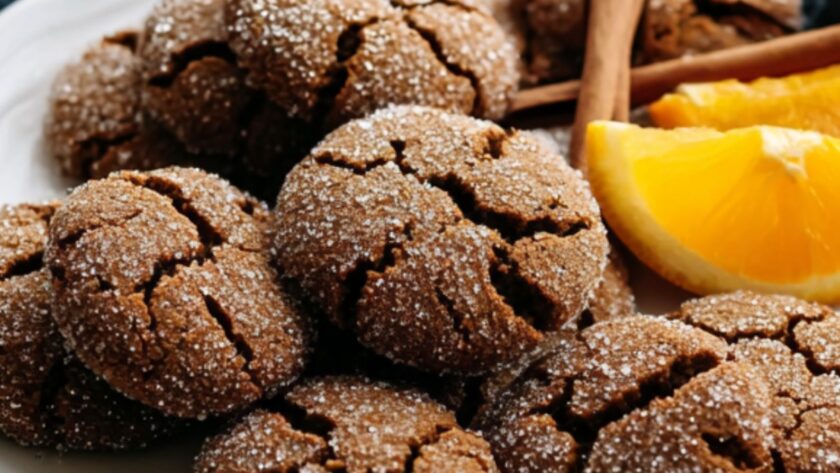
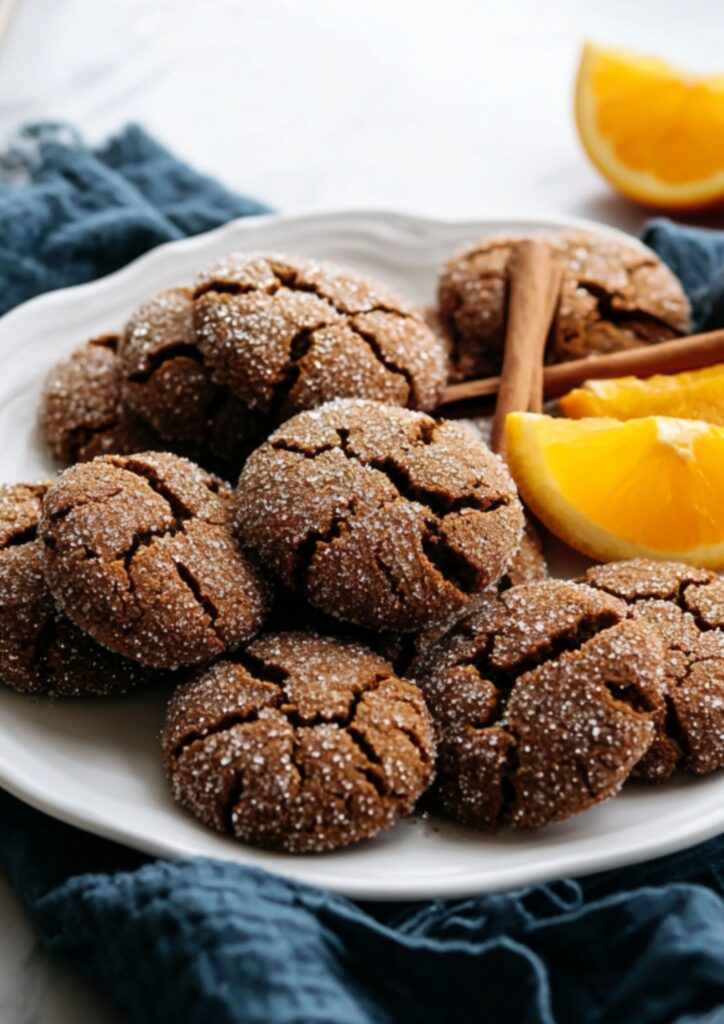
 Pioneer Woman Gingerbread Cookies are a soft, chewy American holiday staple featuring a deep molasses flavor and warm spices. Unlike the stiff, crunchy gingerbread used for building houses, this recipe produces a tender cookie that melts in your mouth.
Ree Drummond’s approach here centers on the ratio of molasses to spices. Most people think gingerbread needs to be spicy enough to make your eyes water, but you’ll fail this recipe if you overdo the ginger. The secret is the balance between the “sweet” spices like cinnamon and the “bite” of the ginger, supported by that dark, unsulphured molasses that provides the chewy texture.
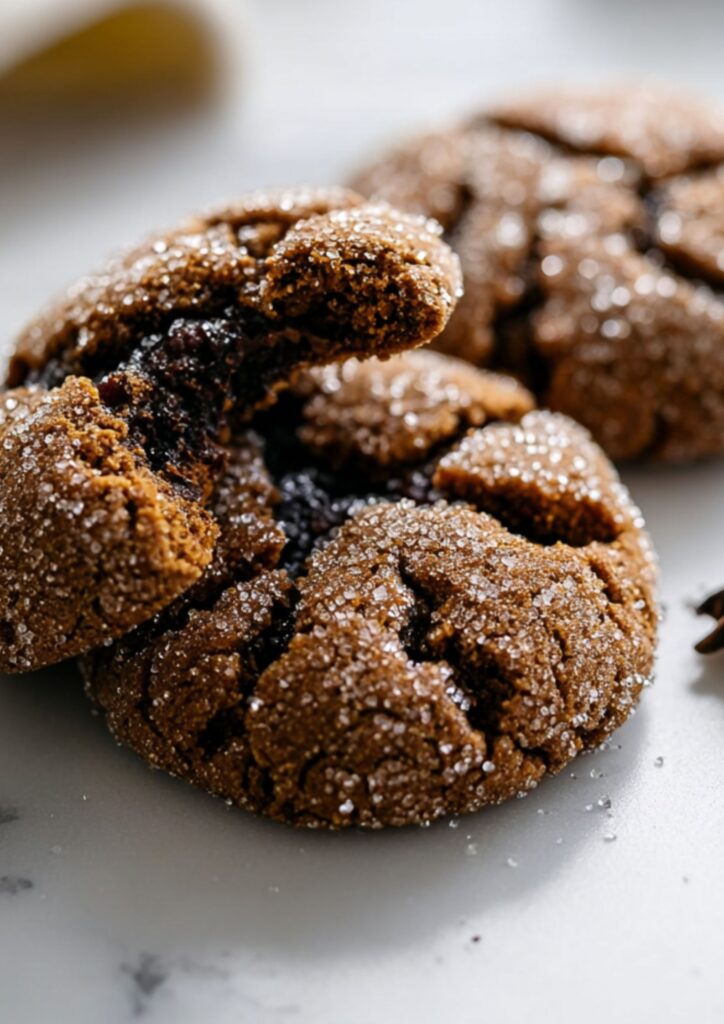
The cooling process is non-negotiable for this specific dough. I’ve found that these cookies look almost underbaked when they first come out of the oven—they’ll be puffy and look a bit raw in the center cracks. If you leave them on the hot baking sheet for exactly ten minutes, the residual heat finishes the center while keeping the edges soft. If you move them too early, they’ll fall apart; if you bake them until they look “done,” they’ll turn into hockey pucks.
Pioneer Woman Gingerbread Cookies Ingredients
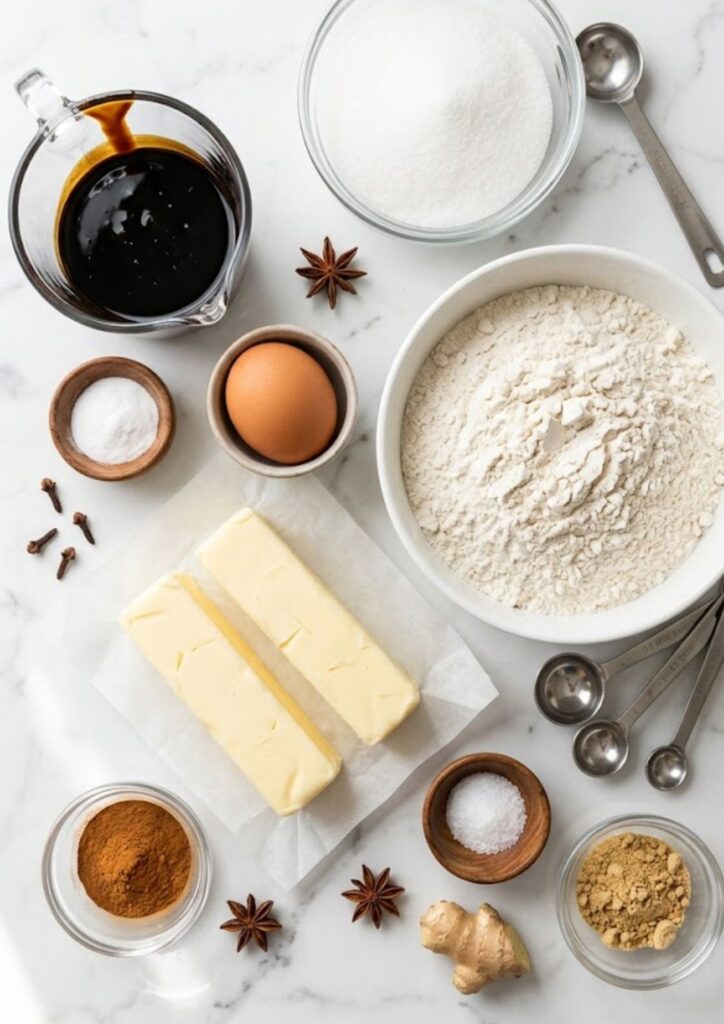
- 3/4 cup (170g) unsalted butter, softened
- 1 cup (200g) granulated sugar, plus extra for rolling
- 1 large egg
- 1/4 cup (60ml) unsulphured molasses
- 2 1/2 cups (300g) all-purpose flour
- 2 teaspoons baking soda
- 1/2 teaspoon salt
- 1 teaspoon cinnamon
- 1/2 teaspoon dried ground ginger
How To Make Pioneer Woman Gingerbread Cookies
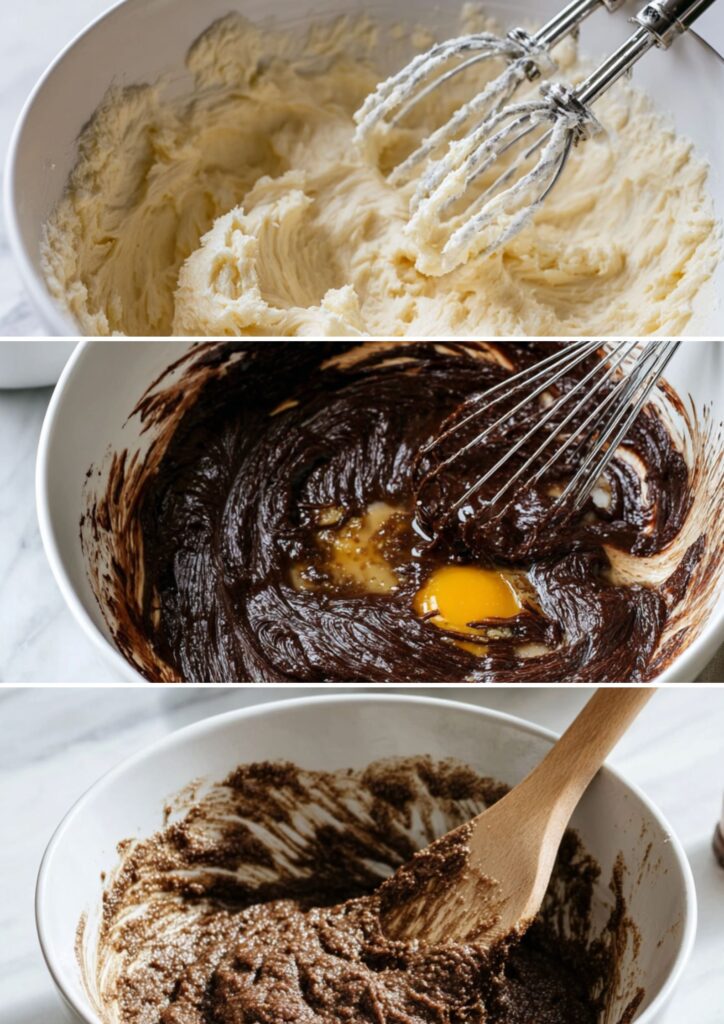
- 1. Cream the butter: Preheat your oven to 350°F (180°C). In a large mixing bowl, beat the softened butter and 1 cup of sugar together with an electric mixer for about 3 minutes. You want it to look pale and fluffy, which indicates enough air has been whipped in to give the cookies a light lift.
- 2. Mix wet ingredients: Add the egg and the molasses to the butter mixture. Beat until the dough is a uniform dark brown color. Make sure to scrape down the sides of the bowl so no streaks of butter remain.
- 3. Combine the dough: In a separate medium bowl, whisk together the flour, baking soda, salt, cinnamon, and ginger. Turn your mixer to its lowest setting and slowly add the dry ingredients to the wet. Stop mixing the moment the white streaks of flour disappear to keep the cookies tender.
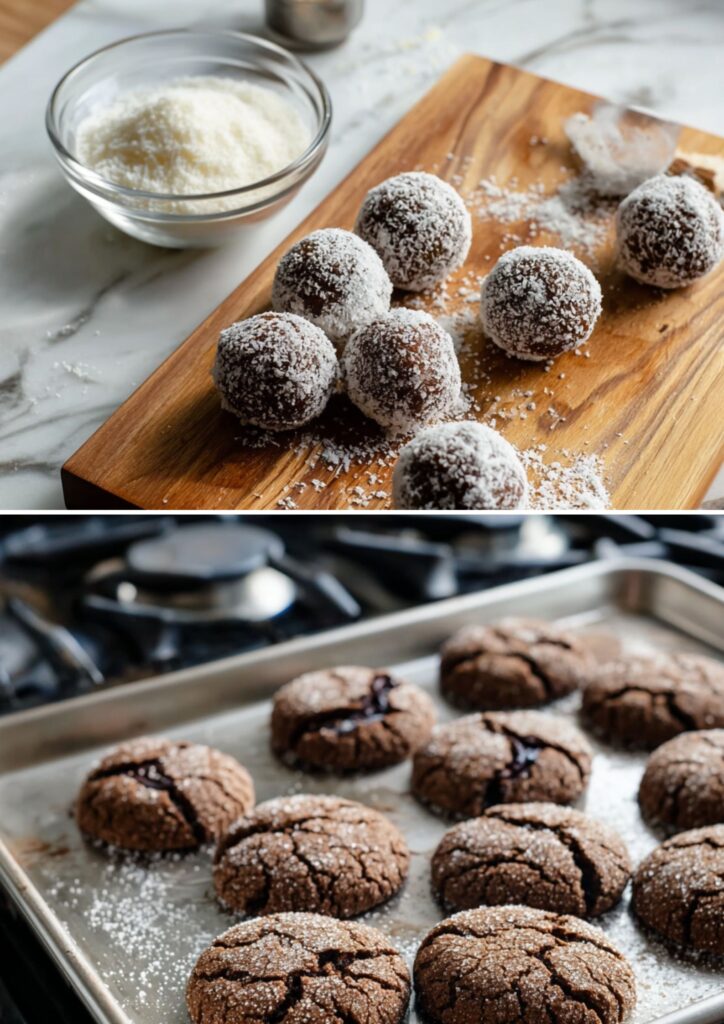
- 4. Roll and coat: Scoop the dough into balls about 1.5 inches in diameter (slightly smaller than a golf ball). Roll each ball in a small bowl of granulated sugar until fully coated. This creates that classic “crinkle” look and a sweet, crunchy exterior.
- 5. Bake and set: Place the balls on an ungreased baking sheet, leaving at least 2 inches between them as they will spread. Bake for 10 to 12 minutes. The cookies should be puffed up and have small cracks on the surface.
- 6. The “Carry-Over” cool: Leave the cookies on the hot baking sheet for 10 minutes. This is a crucial step! They will deflate slightly and firm up. Once they are stable, move them to a wire rack to cool completely.
Recipe Tips
- Use unsulphured molasses: Avoid “Blackstrap” molasses for this recipe; it’s too bitter and intense. Unsulphured molasses is the standard “Grandma’s” style you find in the baking aisle and provides the best sweetness.
- Don’t overbake: These cookies should still look a little “wet” in the cracks when you pull them out. If the cracks look dry and set, you’ve baked them too long and they will lose that signature chewiness.
- Spoon and level your flour: Never pack the flour into the measuring cup. Use a spoon to fill the cup and level it off with a knife. Too much flour is the number one reason for dry, crumbly gingerbread cookies.
- Check your baking soda: Gingerbread relies heavily on the reaction between the acidic molasses and the baking soda to rise. If your soda is more than six months old, the cookies may stay flat and dense.
- Let the butter soften naturally: Avoid the microwave if possible. Microwaved butter often has melted spots that will cause the cookies to spread too thin in the oven.
What To Serve With Pioneer Woman Gingerbread Cookies Recipe
A cold glass of milk is the ultimate partner for these cookies, but they also go beautifully with a hot cup of coffee or eggnog. The spice of the ginger pairs well with the creamy, dairy flavors.
For a holiday dessert tray, serve these alongside some peppermint bark or orange slices. The citrus from the orange helps brighten the deep, earthy molasses flavor.
Storing & Reheating Tips
- Fridge: You can store these in an airtight container at room temperature or in the fridge for up to 5 days. I actually prefer them on day two, as the spices have more time to meld together.
- Freeze: These cookies freeze perfectly for up to 3 months. You can also freeze the raw dough balls (before rolling in sugar) and bake them straight from the freezer—just add 2 minutes to the baking time.
- Reheat: If they get a bit firm, pop one in the microwave for 5-8 seconds. It will soften the molasses and make the cookie taste like it’s fresh from the oven.
Pioneer Woman Gingerbread Cookies Nutrition Facts
Per serving (1 cookie):
- Calories: 145 kcal
- Protein: 2g
- Fat: 6g
- Carbohydrates: 21g
- Sugar: 12g
- Sodium: 160mg
FAQs
Can I use fresh ginger instead of dried?
I don’t recommend it for this specific recipe. Fresh ginger contains a lot of moisture which can change the texture of the dough. Ground ginger provides a more concentrated, warm heat that is traditional for this style of cookie.
Why did my Pioneer Woman Gingerbread Cookies turn out flat?
This usually happens if the butter was too warm or if the baking soda didn’t react properly. Make sure your oven is fully preheated before the cookies go in; if the oven is too cool, the butter melts before the structure of the cookie sets.
Can I use this dough for gingerbread men?
No, this dough is too soft for rolling out and cutting into shapes. If you try to use cookie cutters, the shapes will spread and lose their detail in the oven. This recipe is strictly for “drop” or “ball” style cookies.
Can I substitute the molasses with honey?
You can, but they won’t be gingerbread cookies anymore! Honey is much sweeter and lacks the smoky, earthy depth of molasses. The color will also be much lighter, and the cookies will be crisper rather than chewy.
Do I need to chill the dough?
Ree’s recipe doesn’t require it, but if your kitchen is very warm and the dough feels sticky, chilling it for 30 minutes can make the rolling process much easier and prevent excess spreading.
Try More Pioneer Woman Recipes:
- Pioneer Woman Iced Oatmeal Cookies Recipe
- Pioneer Woman Peanut Butter Cookies Recipe
- Pioneer Woman Molasses Cookies Recipe

Pioneer Woman Gingerbread Cookies Recipe
Description
Pioneer Woman Gingerbread Cookies are a tender, chewy holiday classic that prioritizes a soft texture over the traditional crunch of structural gingerbread. By balancing dark unsulphured molasses with “sweet” spices like cinnamon and a measured “bite” of ginger, these cookies achieve a deep, nostalgic flavor. The dough is rolled in granulated sugar to create a signature crinkle effect and a sweet, slightly crisp exterior that gives way to a melt-in-your-mouth center.
Ingredients
Instructions
- Cream the butter: Preheat your oven to 350°F (180°C). In a large mixing bowl, beat the softened butter and 1 cup of sugar together with an electric mixer for about 3 minutes. You want it to look pale and fluffy, which indicates enough air has been whipped in to give the cookies a light lift.
- Mix wet ingredients: Add the egg and the molasses to the butter mixture. Beat until the dough is a uniform dark brown color. Make sure to scrape down the sides of the bowl so no streaks of butter remain.
- Combine the dough: In a separate medium bowl, whisk together the flour, baking soda, salt, cinnamon, and ginger. Turn your mixer to its lowest setting and slowly add the dry ingredients to the wet. Stop mixing the moment the white streaks of flour disappear to keep the cookies tender.
- Roll and coat: Scoop the dough into balls about 1.5 inches in diameter (slightly smaller than a golf ball). Roll each ball in a small bowl of granulated sugar until fully coated. This creates that classic “crinkle” look and a sweet, crunchy exterior.
- Bake and set: Place the balls on an ungreased baking sheet, leaving at least 2 inches between them as they will spread. Bake for 10 to 12 minutes. The cookies should be puffed up and have small cracks on the surface.
- The “Carry-Over” cool: Leave the cookies on the hot baking sheet for 10 minutes. This is a crucial step! They will deflate slightly and firm up. Once they are stable, move them to a wire rack to cool completely.
Notes
-
Use unsulphured molasses: Avoid “Blackstrap” molasses for this recipe; it’s too bitter and intense. Unsulphured molasses is the standard “Grandma’s” style you find in the baking aisle and provides the best sweetness.
Don’t overbake: These cookies should still look a little “wet” in the cracks when you pull them out. If the cracks look dry and set, you’ve baked them too long and they will lose that signature chewiness.
Spoon and level your flour: Never pack the flour into the measuring cup. Use a spoon to fill the cup and level it off with a knife. Too much flour is the number one reason for dry, crumbly gingerbread cookies.
Check your baking soda: Gingerbread relies heavily on the reaction between the acidic molasses and the baking soda to rise. If your soda is more than six months old, the cookies may stay flat and dense.
Let the butter soften naturally: Avoid the microwave if possible. Microwaved butter often has melted spots that will cause the cookies to spread too thin in the oven.