 Claire Dawson
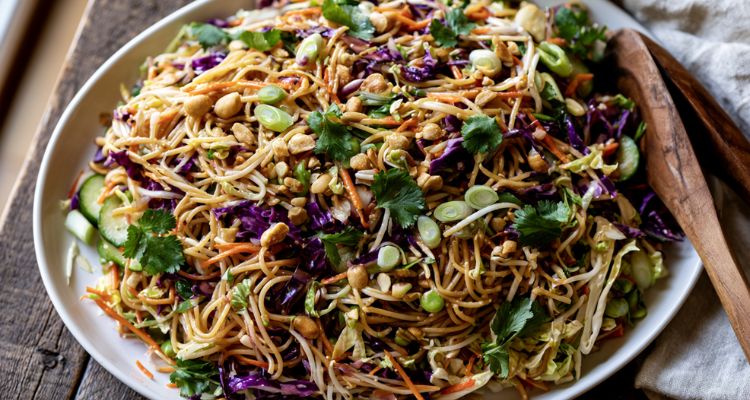
 Pioneer Woman Asian Noodle Salad is a crunchy cold noodle dish loaded with napa cabbage, purple cabbage, kale, bean sprouts, cucumbers, and chopped peanuts in a sesame ginger dressing. It comes together in about 25 minutes.
Ree Drummond originally shared this on Food Network as her Sesame Ginger Noodle Salad. The title was later updated, but the recipe is the same: cold spaghetti and shredded vegetables tossed in a homemade dressing that hits sweet, salty, and tangy all at once.
Rinse the cooked spaghetti under cold water until it is completely cool before tossing it with the vegetables. Warm noodles wilt the cabbage and sprouts on contact, so you end up with a soggy salad instead of one with real crunch.

Pioneer Woman Asian Noodle Salad
Description
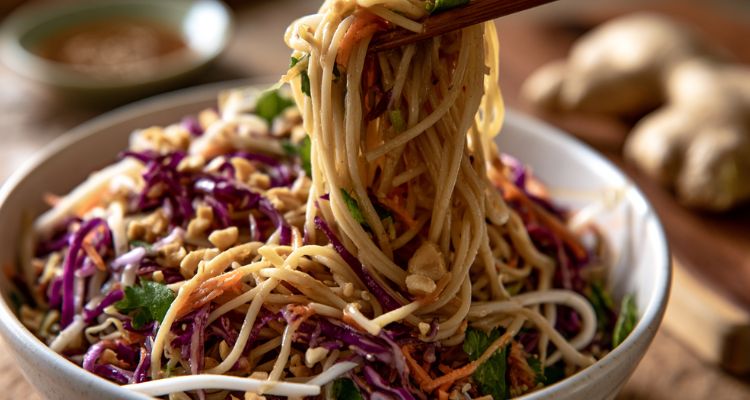
A big, colorful cold salad that uses thin spaghetti as the noodle base and pairs it with two kinds of cabbage, kale, and crunchy peanuts. The sesame ginger dressing gets its depth from oyster sauce and brown sugar.
Ingredients
Dressing:
Instructions
- Boil the spaghetti in a large pot of salted water until al dente according to package directions, about 7 minutes.
- Drain and rinse under cold running water until completely cooled.
- Combine the cooled spaghetti, carrots, peppers, bean sprouts, cucumbers, scallions, cilantro, napa cabbage, purple cabbage, and kale in a large bowl.
- Add the chopped peanuts and toss to mix.
- Whisk the olive oil, soy sauce, oyster sauce, rice wine vinegar, brown sugar, ginger, sesame oil, and garlic in a medium bowl until the sugar dissolves, about 30 seconds.
- Pour the dressing over the salad and toss with tongs until everything is evenly coated. If the salad looks dry, whisk together a small extra batch of the liquid dressing ingredients and add it in.
- Transfer to a large serving platter and serve right away.
FAQs
Why does Ree use thin spaghetti instead of Asian noodles?
Thin spaghetti holds its texture in a dressed salad better than rice noodles or soba, which tend to turn mushy or clump together once the dressing hits them. It absorbs the sesame ginger flavors without going soft.
If you want a closer match to traditional Asian noodles, lo mein noodles or chow mein noodles work well here. Cook them al dente and rinse under cold water the same way Ree does with the spaghetti.
Can you make this salad ahead of time?
You can prep all the vegetables and make the dressing up to a day ahead, but do not toss them together until serving. The salt in the soy sauce draws water out of the cabbage and cucumbers within an hour.
If you need to serve it buffet style, dress only the noodles first and set the raw vegetables on top. Toss at the table so everything stays crisp.
Why does the dressing use both olive oil and sesame oil?
Olive oil gives the dressing enough body to coat a huge bowl of noodles and vegetables without tasting heavy. Sesame oil is too intense to use in that quantity, so Ree uses a smaller amount for flavor.
Two tablespoons spread across eight servings gives every bite that toasted, nutty taste without overwhelming the ginger and soy. Think of the sesame oil as seasoning, not the base.
What can you use instead of oyster sauce?
Hoisin sauce is the closest swap because it brings that same sweet, salty depth to the dressing. Use the same amount, 1/4 cup (60ml), and expect a slightly sweeter result. A mix of soy sauce with a pinch of sugar also works.
If you are vegetarian, look for mushroom-based oyster sauce at most Asian grocery stores. It gives you the same savory backbone without any seafood ingredients.
Do you need all the vegetables or can you skip some?
The salad works with any combination as long as you keep a mix of crunchy and leafy. Napa cabbage and carrots are the two I would not skip because they give the salad its backbone of crunch. Everything else is flexible.
Bean sprouts and kale add volume but can be left out without changing the flavor. Purple cabbage mostly adds color, so swap it for more napa if that is all you have.