 Mohamed Shili
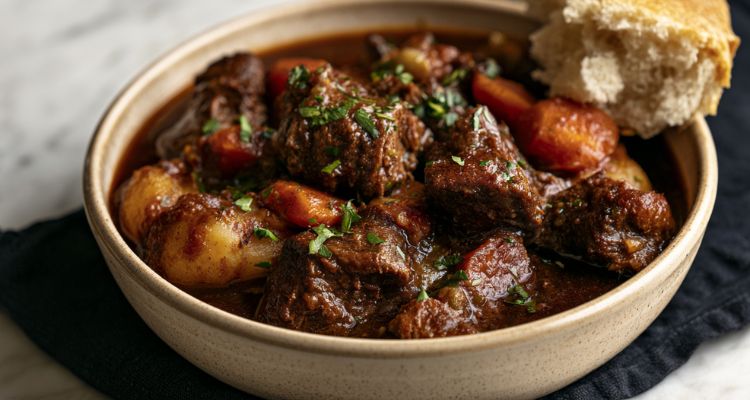
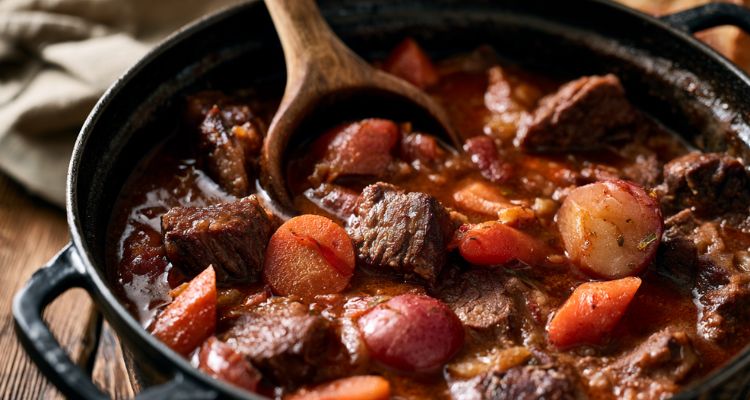
 Pioneer Woman Dutch Oven Beef Stew is a hearty, slow-simmered pot of tender beef chunks, carrots, and red potatoes in a rich beer and paprika broth that comes together in about 2 hours and 40 minutes.
Ree Drummond published this as Beef Stew with Beer and Paprika on her official website, building the broth around a full can of beer, beef stock, Worcestershire, and tomato paste. That combination gives the liquid a layered richness that plain water and bouillon cubes alone can’t touch.
Browning the beef in small batches is the step you cannot skip. Crowding the pot traps steam instead of building a hard sear, so the meat turns gray and you lose all that caramelized flavor that carries the rest of the stew.

Pioneer Woman Dutch Oven Beef Stew
Description
A warming one-pot stew where beer and paprika bring unexpected depth to a simple beef broth. Stew meat simmers low and slow until fork-tender, then carrots and potatoes join for the final stretch.
Ingredients
For the stew base:
For the vegetables:
Instructions
- Heat olive oil and butter in a large Dutch oven over medium-high heat until the butter foams.
- Brown the stew meat in two batches, turning to sear all sides, about 3 to 4 minutes per batch. Transfer to a plate.
- Cut the browned pieces in half so they break down faster during the simmer. Set aside with any collected juices.
- Cook the diced onion in the same pot for 2 to 3 minutes until softened. Add the garlic and stir for 1 more minute.
- Pour in the beer and beef stock. Add Worcestershire sauce, tomato paste, paprika, salt, pepper, and sugar. Stir to combine.
- Return the beef and all plate juices to the pot. Cover and simmer on low for 1 1/2 to 2 hours, until the meat is tender and the liquid has thickened.
- Add the sliced carrots and quartered potatoes. Cover and cook for 30 more minutes, until the vegetables are fork-tender. If the stew gets too thick, stir in hot water 1 cup (240ml) at a time.
- Taste and adjust seasoning. Serve in bowls with crusty French bread and a sprinkle of fresh parsley.
FAQs
Why does Ree use beer in this stew instead of wine?
Beer brings a malty, slightly bitter sweetness that pairs well with the paprika and tomato paste in this broth. Wine tends to sharpen a stew with acidity, but beer rounds it out and adds body. Ree uses a full 12 oz can, which is enough to flavor the entire pot without overpowering the beef.
A light lager or amber ale works best here. Dark stouts can turn the broth too bitter, especially after simmering for two hours at low heat.
Why add sugar to a savory beef stew?
The sugar balances the acidity from the beer, tomato paste, and Worcestershire sauce. Without it, the broth can taste sharp and one-note after two hours of simmering. One and a half teaspoons is just enough to round the edges without making anything taste sweet.
Think of it the same way you would add a pinch of sugar to marinara. It smooths out the harsh notes and lets the beef and paprika come forward instead of hiding behind the acid.
Why do the carrots and potatoes go in during the last 30 minutes?
Carrots and potatoes break down quickly in hot liquid. If they went in at the start with the beef, they would turn to mush over the two-hour simmer and dissolve into the broth. Adding them late keeps them tender but intact, so you get distinct pieces in every spoonful.
Ree uses new potatoes here because they hold their shape better than russets. Leave the skins on for extra texture and to keep the quarters from falling apart during cooking.
Can you substitute the beer with something non-alcoholic?
Use an equal amount of extra beef stock with a splash of apple cider vinegar to mimic the slight tang the beer provides. Non-alcoholic beer also works and keeps the malty flavor profile intact. The stew will still taste rich because the tomato paste and Worcestershire carry most of the depth on their own.
Skip grape juice or wine vinegar as substitutes. Both add a fruity sharpness that fights the paprika instead of complementing it, and you end up with a completely different flavor.
Why does Ree cut the meat into smaller pieces after browning?
Searing larger chunks first gives you more flat surface area for browning, which builds better caramelized flavor on each piece. Cutting them down afterward means the meat breaks apart faster during the long simmer and creates bites that fit on a spoon alongside carrot and potato. In her step-by-step walkthrough on thepioneerwoman.com, Ree shows the pieces going in large and coming out cut in half.
If you cut the meat small before searing, the tiny pieces dry out and toughen under high heat. Browning big and cutting down gives you the best of both.
