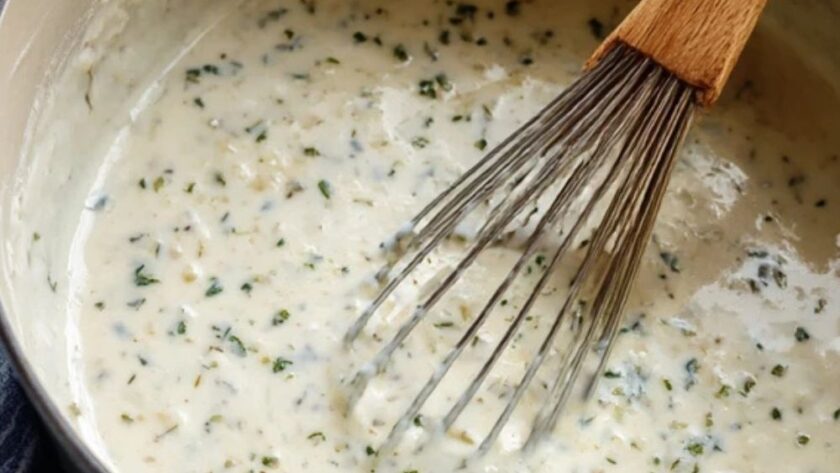
 Mohamed Shili
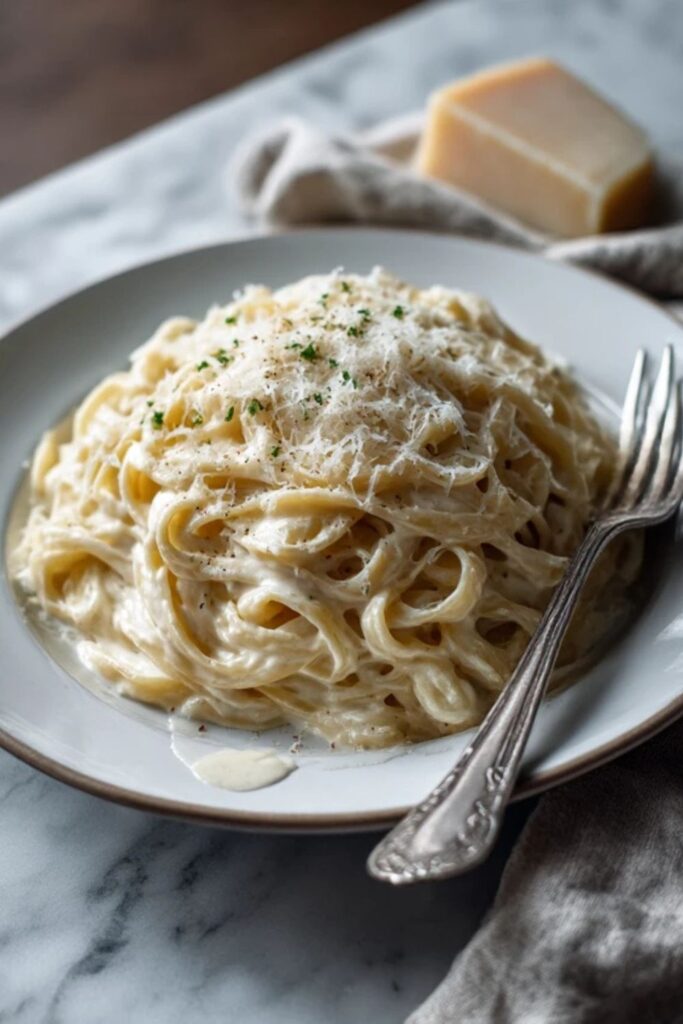
 Julia Child Alfredo Sauce is a luxurious French-style pasta topping made with heavy cream, unsalted butter, and freshly grated Parmesan. It’s a velvety American favorite that relies on high-quality dairy to create a coating that clings perfectly to every strand of fettuccine.
If you do nothing else, use a block of Parmigiano-Reggiano and grate it yourself. That’s the difference between a smooth, glossy sauce and a gritty, clumping mess. Pre-shredded cheese is coated in starch that won’t melt properly into the hot cream, leaving you with a grainy texture that ruins the whole experience.
The heavy cream needs to simmer until it thickens slightly before the cheese even touches the pan. I’ve found that if you add the Parmesan too early, the heat can break the sauce and make it oily rather than creamy. I love how the pinch of nutmeg adds a subtle warmth that makes the cheese taste richer without being overwhelming. It’s the kind of meal I make when I want something that feels fancy but only takes fifteen minutes to put together.
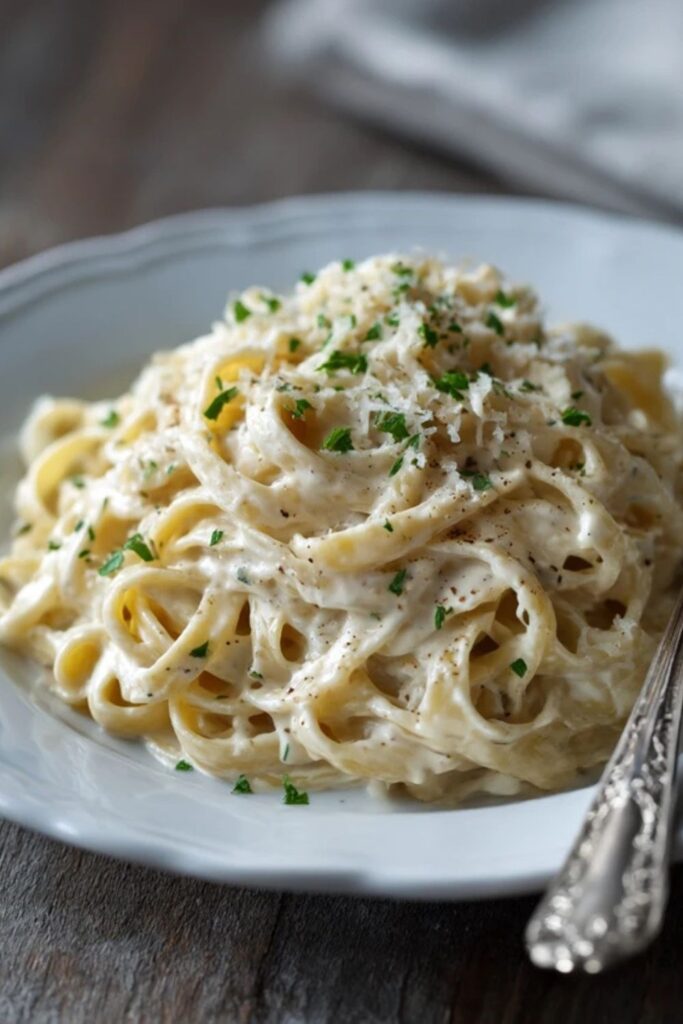
Julia Child Alfredo Sauce Ingredients
- 1 cup (240ml) heavy cream
- 4 tablespoons (55g) unsalted butter
- 1 1/2 cups (150g) freshly grated Parmigiano-Reggiano cheese
- 1/2 teaspoon salt
- 1/4 teaspoon white pepper
- 1/8 teaspoon ground nutmeg
- 1 pound (450g) fettuccine pasta
- 1/4 cup (60ml) reserved pasta cooking water
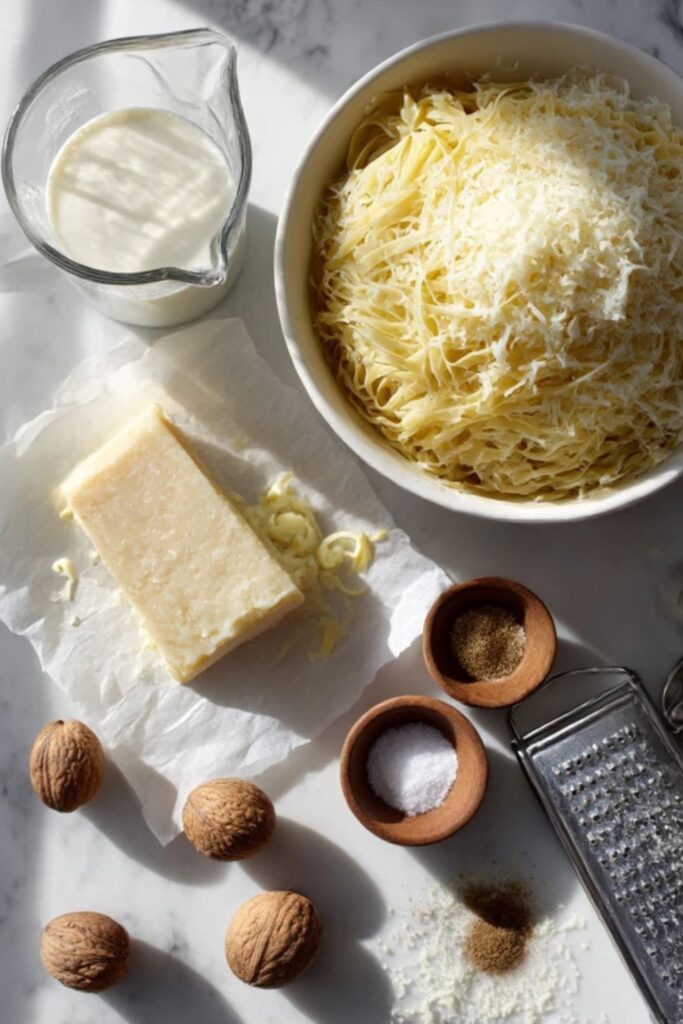
How To Make Julia Child Alfredo Sauce
- 1. Boil the pasta: Fill a large pot with water, add a generous palmful of salt, and bring it to a rolling boil. Cook the fettuccine until it’s firm to the bite, then scoop out a cup of the starchy cooking water before you drain the noodles.
- 2. Reduce the cream: Pour the heavy cream and butter into a wide skillet over medium heat. Let the mixture simmer gently for about 3 to 5 minutes until the butter is melted and the liquid has reduced by about a third.
- 3. Season the base: Stir in the salt, white pepper, and nutmeg once the cream looks thick enough to coat the back of a metal spoon. Keep the heat low so the dairy doesn’t scorch or develop a skin on the surface.
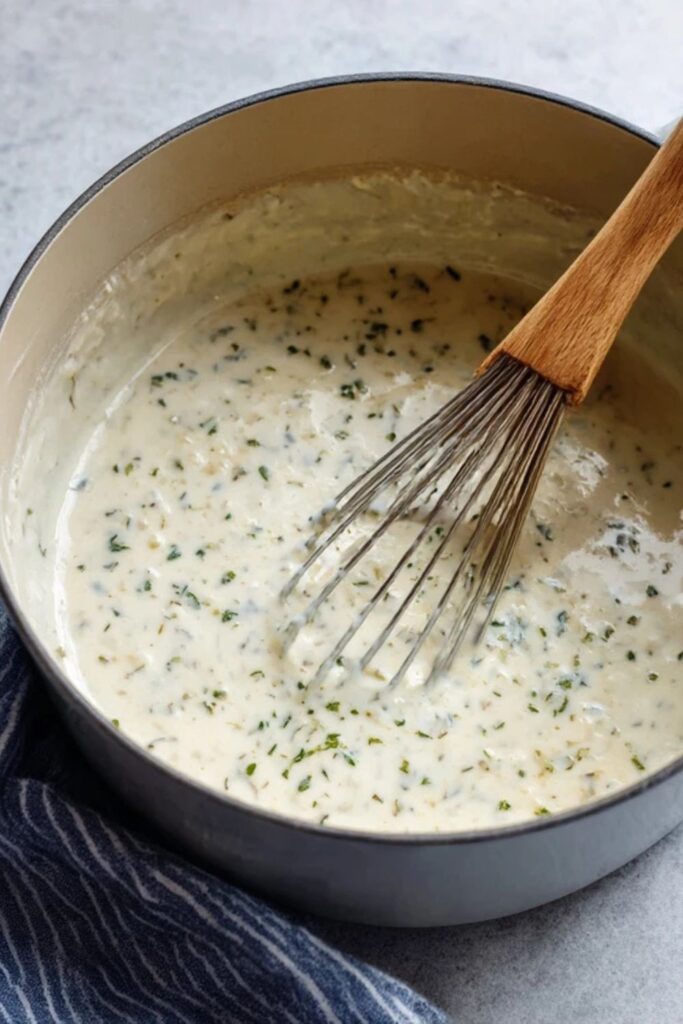
- 4. Add the cheese: Turn the heat to low and whisk in the grated Parmesan one handful at a time. Stir continuously until the cheese is fully melted and the sauce looks like a smooth, unified liquid.
- Don’t let the sauce boil after the cheese is in the pan. High heat will cause the proteins in the Parmesan to tighten and separate from the fat, resulting in a rubbery texture instead of a silky one.
- 5. Toss the pasta: Add the cooked fettuccine directly into the skillet with the sauce. Use tongs to lift and turn the noodles, adding a splash of the reserved pasta water if you need to loosen the sauce so it spreads evenly.
- 6. Emulsify the sauce: Keep tossing the pasta for about 60 seconds over the lowest heat setting. This helps the starch in the water bind the cream and cheese together so the sauce sticks to the pasta rather than pooling at the bottom of the bowl.
- 7. Serve: Divide the pasta into warm bowls immediately while the sauce is at its creamiest. Top with a little extra grated cheese or a crack of black pepper if you like a bit more bite.
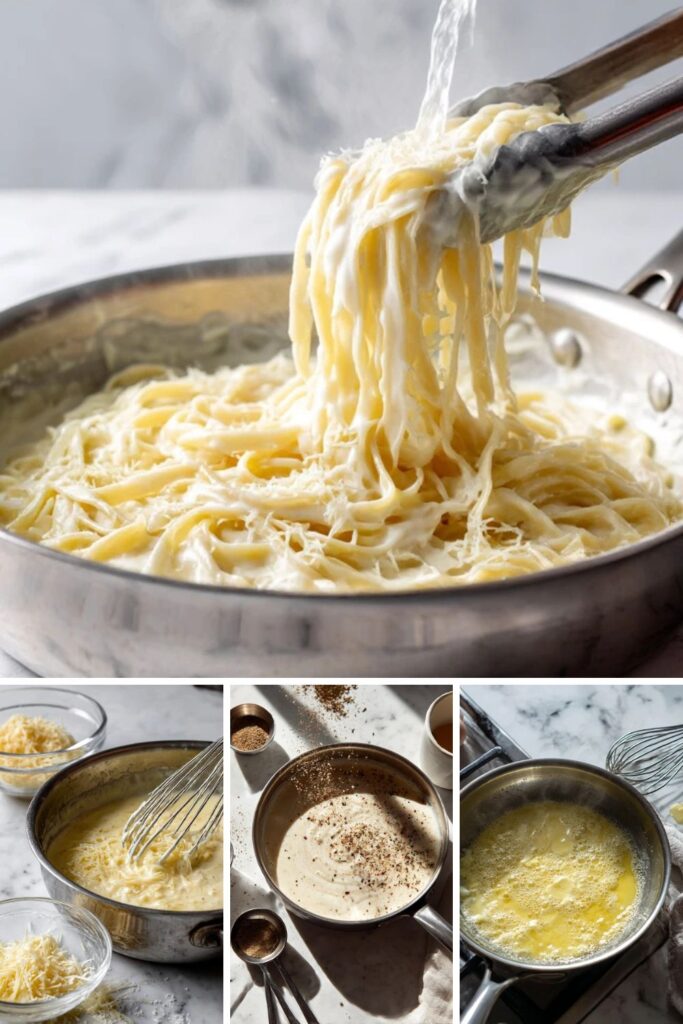
Recipe Tips
- Use a wide skillet. A pan with a large surface area helps the cream reduce faster and gives you plenty of room to toss the pasta without breaking the noodles. It also ensures the heat is spread evenly so the cheese melts at the same rate.
- Warm your serving bowls. Alfredo sauce cools down and thickens very quickly once it leaves the pan. Running your bowls under hot water or putting them in a low oven for a few minutes keeps the sauce liquid and smooth while you eat.
- Pick white pepper over black. Julia Child often preferred white pepper in light sauces because it provides a clean heat without leaving black specks in the ivory-colored cream. It keeps the finished dish looking elegant and professional on the plate.
- Don’t skip the pasta water. That salty, starchy liquid is the secret to getting the sauce to actually stick to the noodles. Without it, the cream can slide right off the pasta, leaving the fettuccine dry and the bottom of the bowl greasy.
- Grate the cheese finely. Use the smallest holes on your box grater or a microplane so the Parmesan turns into a light fluff. Finer bits of cheese melt almost instantly into the warm cream, preventing any stubborn lumps from forming.
- Butter your noodles if waiting. If your pasta finishes before the sauce is ready, toss it with a tiny bit of butter to keep it from sticking together. Never rinse the pasta with water, as you’ll wash away the starch that helps the Alfredo sauce cling.
What To Serve With Julia Child Alfredo Sauce
A simple side of roasted broccoli or sautéed spinach works well to balance the heavy fats in the sauce. The slight bitterness of the greens helps refresh your palate between bites of the rich, cheesy noodles.
If you want to add protein, some grilled shrimp or sliced chicken breast seasoned with lemon juice is a great addition. A crusty piece of French bread is also handy for swiping up any leftover sauce remaining on the plate.
How To Store Julia Child Alfredo Sauce
- Fridge: Keep leftovers in a sealed container for up to 2 days. The sauce will turn into a solid block as it cools, but it will liquefy again once you apply a little heat and moisture.
- Reheat: The best method is to put the pasta in a pan with a splash of milk or cream over low heat. Stir gently and constantly to encourage the fats to rejoin; using a microwave often causes the sauce to break into an oily mess.
- Freeze: I don’t recommend freezing this sauce because the heavy cream and cheese will separate during the thawing process. The texture becomes grainy and watery, and it’s almost impossible to get that original silkiness back.
Julia Child Alfredo Sauce Nutrition Facts
Per serving (1 of 4):
- Calories: 840 kcal
- Protein: 28g
- Fat: 52g
- Carbohydrates: 68g
- Sugar: 4g
- Sodium: 920mg
FAQs
Can I use half-and-half instead of heavy cream in Julia Child Alfredo Sauce?
No, half-and-half doesn’t have enough fat to thicken properly when reduced, and it’s much more likely to curdle when you add the cheese. Stick to heavy cream to get that signature thick coating on the pasta.
Why did my Alfredo sauce turn out oily?
This happens if the heat was too high after you added the cheese or if the sauce was reheated too quickly. Once the cheese separates from the cream, the fat pools at the top and the sauce loses its smooth texture.
Can I make this Julia Child Alfredo Sauce recipe ahead of time?
It’s best made fresh, but you can simmer the cream and butter a few hours early. Just wait until you’re ready to eat before adding the cheese and tossing in the pasta so the texture stays perfect.
What is the best pasta shape to use?
Fettuccine is the classic choice because the wide, flat surface provides plenty of area for the heavy sauce to cling to. Thinner noodles like angel hair can get weighed down and clump together too easily in this rich sauce.
How do I fix a sauce that is too thick?
Simply whisk in a tablespoon or two of the reserved pasta water or a little extra warm cream. The starch in the water helps thin the sauce out while keeping it held together and glossy.
More Julia Child Recipes:

Julia Child Alfredo Sauce Recipe
Description
Julia Child Alfredo Sauce is a luxurious French-style pasta topping made with heavy cream, unsalted butter, and freshly grated Parmesan. It’s a velvety American favorite that relies on high-quality dairy to create a coating that clings perfectly to every strand of fettuccine.
Ingredients
Instructions
-
1. Boil the pasta: Fill a large pot with water, add a generous palmful of salt, and bring it to a rolling boil. Cook the fettuccine until it’s firm to the bite, then scoop out a cup of the starchy cooking water before you drain the noodles.
-
2. Reduce the cream: Pour the heavy cream and butter into a wide skillet over medium heat. Let the mixture simmer gently for about 3 to 5 minutes until the butter is melted and the liquid has reduced by about a third.
- 3. Season the base: Stir in the salt, white pepper, and nutmeg once the cream looks thick enough to coat the back of a metal spoon. Keep the heat low so the dairy doesn’t scorch or develop a skin on the surface.
-
4. Add the cheese: Turn the heat to low and whisk in the grated Parmesan one handful at a time. Stir continuously until the cheese is fully melted and the sauce looks like a smooth, unified liquid.
Don’t let the sauce boil after the cheese is in the pan. High heat will cause the proteins in the Parmesan to tighten and separate from the fat, resulting in a rubbery texture instead of a silky one.
-
5. Toss the pasta: Add the cooked fettuccine directly into the skillet with the sauce. Use tongs to lift and turn the noodles, adding a splash of the reserved pasta water if you need to loosen the sauce so it spreads evenly.
-
6. Emulsify the sauce: Keep tossing the pasta for about 60 seconds over the lowest heat setting. This helps the starch in the water bind the cream and cheese together so the sauce sticks to the pasta rather than pooling at the bottom of the bowl.
- 7. Serve: Divide the pasta into warm bowls immediately while the sauce is at its creamiest. Top with a little extra grated cheese or a crack of black pepper if you like a bit more bite.
