 Claire Dawson
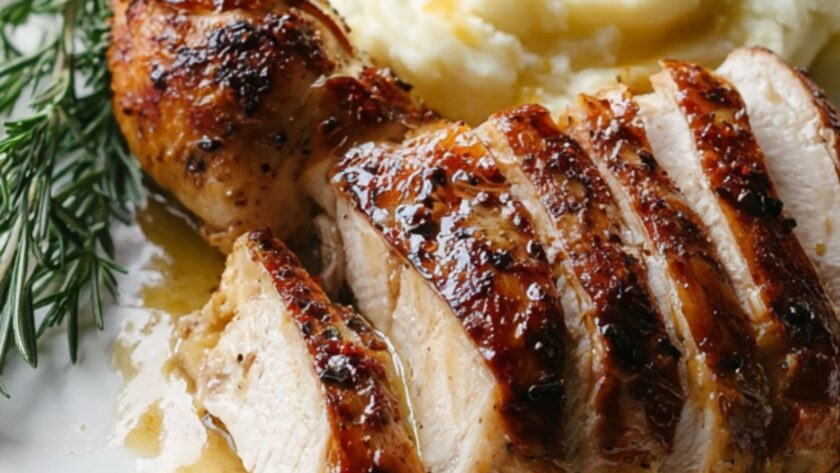
 Pioneer Woman Roasted Chicken is a classic American dinner that turns a simple bird into a fragrant centerpiece with lemon and fresh herbs. This oven-baked meal uses a thick layer of citrus-infused butter to keep the meat moist while the skin crisps up to a deep golden brown.
The first time I made this, I just smeared the butter on top, but now I always work it under the skin. That’s the difference between a bird that’s only seasoned on the outside and one where the herb flavor actually penetrates the meat. If you don’t take the time to separate the skin from the breast and tuck that rosemary butter inside, the white meat will dry out long before the skin looks good.
The lemon zest is doing more work than you’d think to provide that bright, punchy scent. If you only used the juice, the flavor would be too acidic and thin, but the oils in the zest stay trapped in the butter as it melts. I’ve found that using heavy-duty foil is the specific detail that makes cleanup easy since the butter and lemon juice can create a sticky mess on a bare pan. It’s one of those recipes that fills the whole house with a cozy, Sunday-roast smell that makes everyone head to the kitchen early.
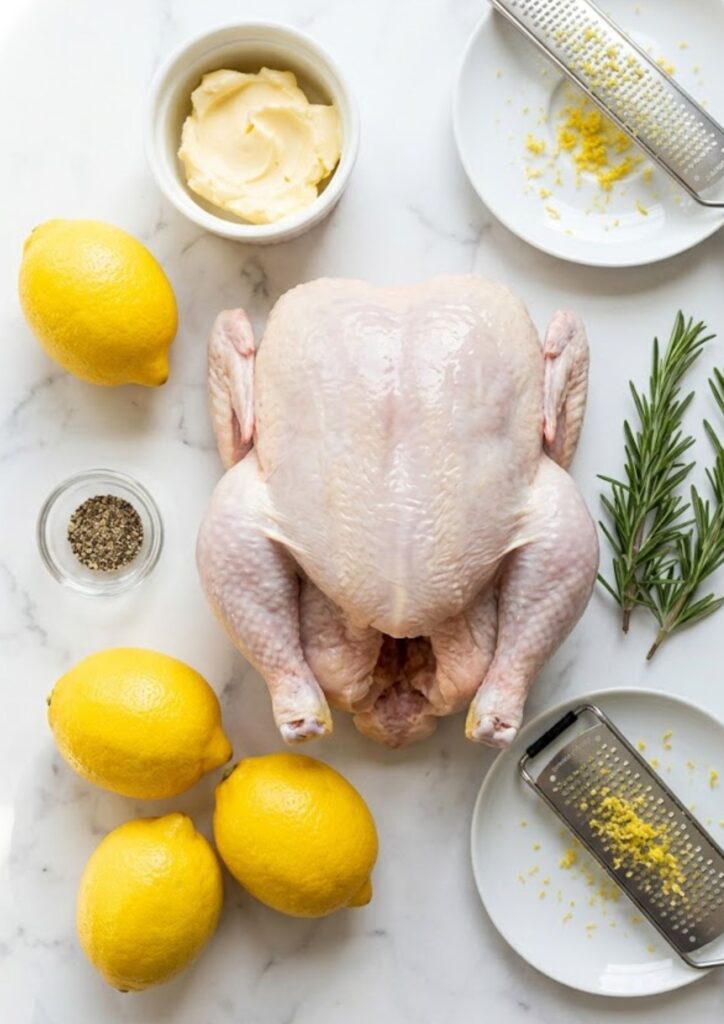
Pioneer Woman Roasted Chicken Ingredients
- 3 whole lemons
- 4 sprigs fresh rosemary
- 3/4 cup (170g) unsalted butter, softened
- 1 whole chicken (about 4 lbs), rinsed and patted dry
- Kosher salt and freshly ground black pepper, to taste
How To Make Pioneer Woman Roasted Chicken
- 1. Prep oven and aromatics: Set the oven to 220°C (425°F) for a standard oven or 205°C (400°F) if you’re using convection. Grate the zest from two of the lemons into a bowl, then pull the leaves off one rosemary sprig and chop them into tiny bits.
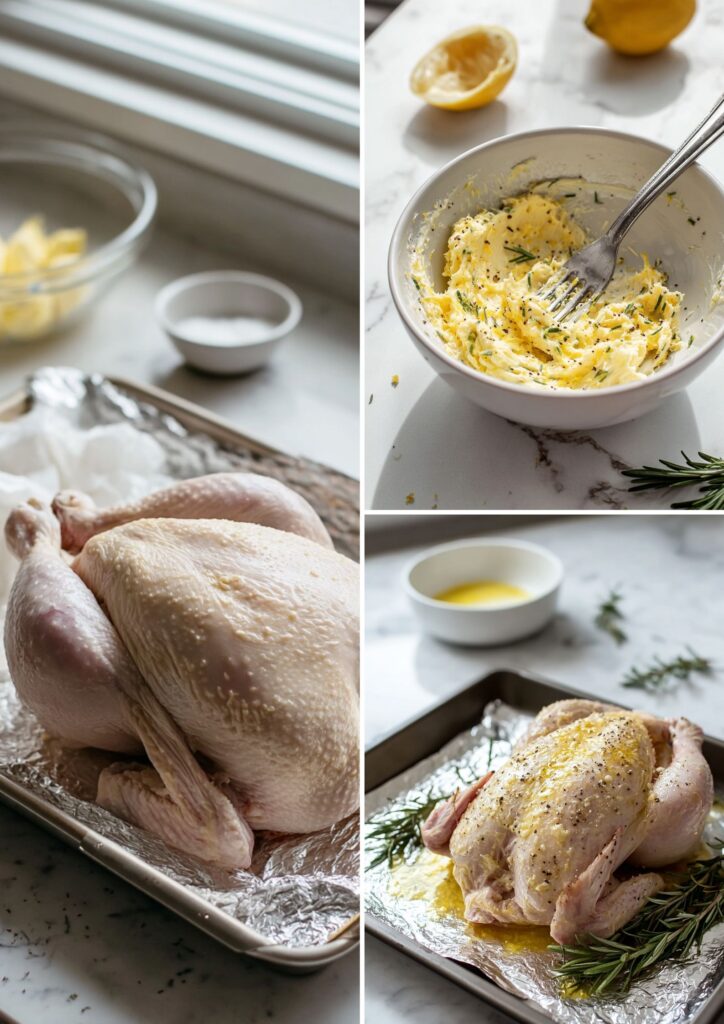
- 2. Make the compound butter: Mash the softened butter, lemon zest, and chopped rosemary together with a fork. Season the mixture heavily with salt and pepper, making sure the spices are spread evenly through the fat so every bite of the chicken is seasoned.
- 3. Prepare the chicken: Cover a large rimmed baking sheet with heavy-duty foil to catch all the rendered fat. Lay the chicken on the foil and use paper towels to dry the skin one last time; any moisture left on the surface will steam the bird instead of roasting it.
- 4. Season the chicken: Use your hands to rub the lemon-rosemary butter all over the skin and inside the cavity. Gently lift the skin over the breast and thighs to slide a good amount of butter directly onto the meat.
Do not be shy with the butter under the skin. This layer of fat acts as a shield for the lean breast meat, basting it from the outside in as the chicken cooks in the high heat.
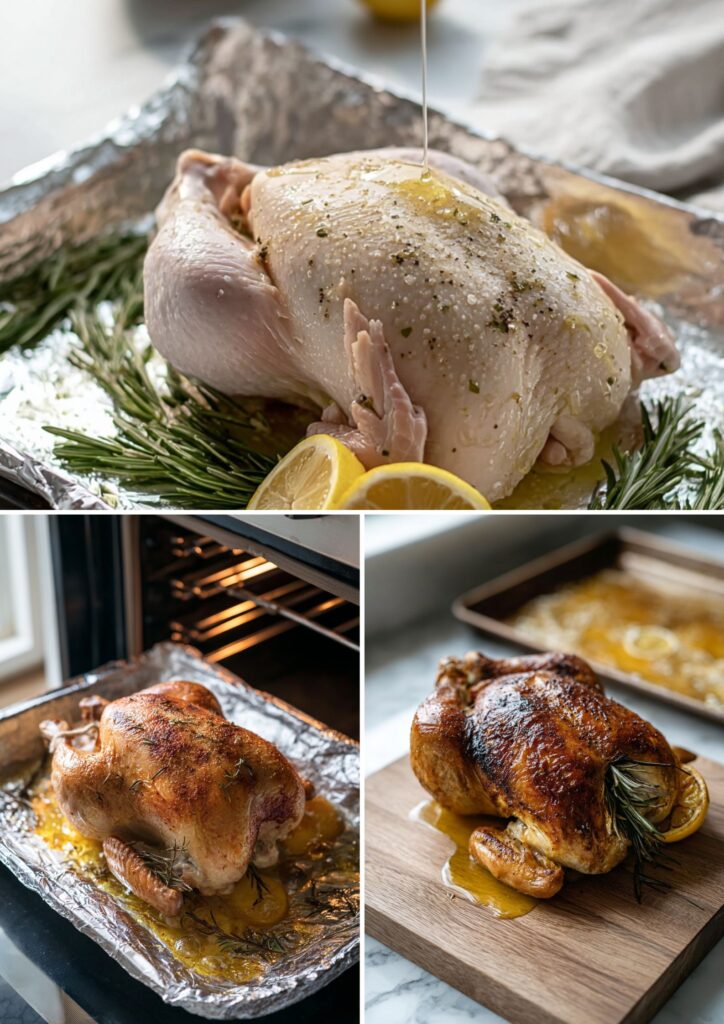
- 5. Stuff and roast: Slice all three lemons in half and squeeze the juice of two halves over the top of the bird. Stuff those spent halves and the remaining rosemary sprigs into the cavity, then roast for about 75 minutes until the skin is dark and crispy.
- 6. Rest and serve: Move the chicken to a carving board and let it sit undisturbed for 15 minutes. This pause allows the internal juices to settle back into the muscle fibers so they don’t flood the board the second you make your first cut.
Recipe Tips
- Dry the skin thoroughly: If the chicken skin is even slightly damp, the butter won’t stick and the skin will never get that shatteringly crisp texture. I often let my chicken sit uncovered in the fridge for an hour before cooking to air-dry the surface.
- Use room temperature butter: Trying to mix lemon zest into cold butter is a losing battle. Let the butter sit on the counter until it’s soft enough that you can easily press a finger through it without any resistance.
- Squeeze lemons with care: Watch out for seeds when you’re juicing the fruit over the chicken. Those little pips will bake into the skin and give you a bitter surprise if you don’t pluck them off before the tray goes into the oven.
- Check the thigh temp: The most accurate way to tell if the bird is done is to stick a thermometer into the thickest part of the thigh without hitting the bone. You’re looking for 74°C (165°F) to ensure it’s safe and juicy.
- Tuck the wings: Fold the wing tips behind the back of the chicken before roasting. This prevents the thin tips from burning and helps the bird sit flat on the tray so the breast meat cooks at an even rate.
- Save the pan drippings: The liquid left on the foil is liquid gold made of melted butter, chicken fat, and lemon juice. Pour it into a small bowl and spoon it back over the sliced meat just before serving for an extra hit of flavor.
What To Serve With Pioneer Woman Roasted Chicken Recipe
A pile of buttery mashed potatoes or some roasted root vegetables works perfectly alongside this bird. The potatoes are great for soaking up the lemon-scented juices that run off the meat.
If you want something lighter, a simple arugula salad with a balsamic glaze provides a sharp contrast to the rich buttery skin. A cold glass of Chardonnay or a sparkling apple cider also fits the meal perfectly.
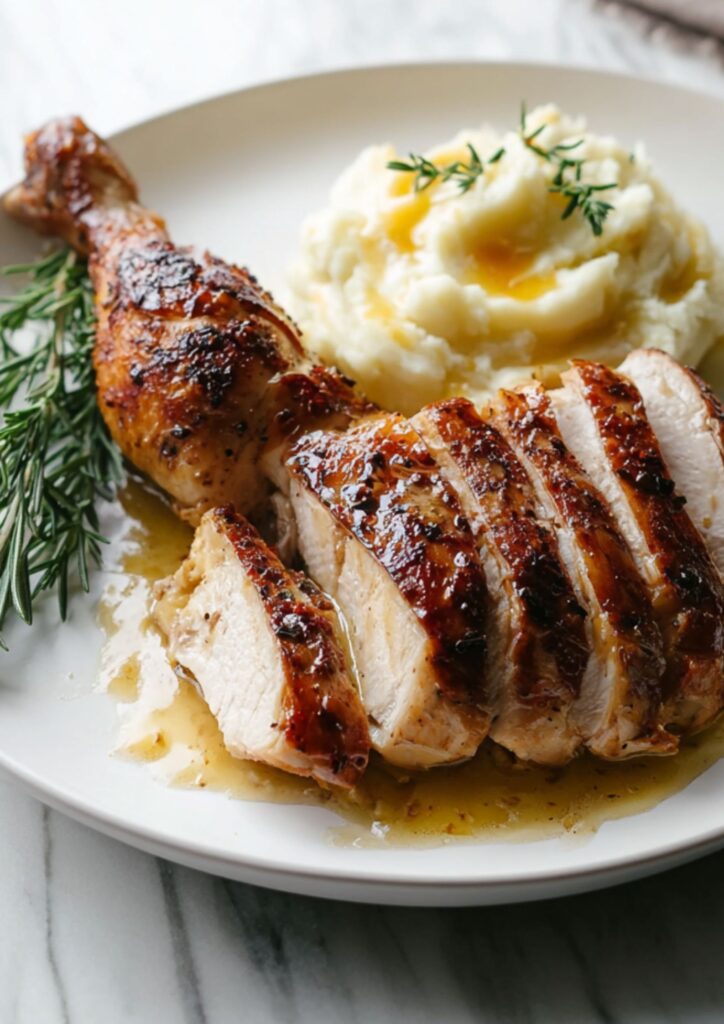
Storing & Reheating Tips
- Fridge: Keep any leftover chicken in an airtight container for up to 4 days. It’s best to pull the meat off the bone while it’s still slightly warm, as it’s much easier to handle than cold chicken.
- Freeze: You can freeze the cooked meat for up to 3 months in a freezer bag. This is a great way to have pre-cooked chicken ready for soups, salads, or tacos later in the week.
- Reheat: The best way to warm it up is in a 350°F oven for 10 minutes with a splash of water or broth in the pan. A microwave is faster, but it tends to make the skin rubbery and the breast meat a bit tough.
Pioneer Woman Roasted Chicken Nutrition Facts
Per serving (1/4 of the chicken):
- Calories: 580 kcal
- Protein: 42g
- Fat: 44g
- Carbohydrates: 4g
- Sugar: 1g
- Sodium: 720mg
FAQs
Why did my Pioneer Woman Roasted Chicken skin stay soft?
This usually happens if the bird was wet when you put the butter on or if the oven temperature wasn’t high enough. Make sure you use a standard oven setting rather than a lower temperature meant for slow roasting.
Can I use dried rosemary instead of fresh in my Pioneer Woman Roasted Chicken?
You can, but you’ll need to use about half as much since dried herbs are more concentrated. The flavor won’t be quite as bright, so I always recommend the fresh sprigs for that classic roast scent.
What if I don’t have a roasting rack?
This recipe is designed to work right on a foil-lined baking sheet, so you don’t actually need a rack. The lemons inside the cavity help prop the bird up enough for the heat to circulate.
How do I know if the chicken is cooked without a thermometer?
Prick the thickest part of the thigh with a knife; if the juices that run out are completely clear and not pink, the chicken is done. If the juice is cloudy or red, it needs another ten minutes.
Should I wash the chicken before roasting?
The recipe mentions rinsing, but modern food safety guidelines suggest skipping this to avoid splashing bacteria around your kitchen. Patting it dry with paper towels is the most important step for a good roast.
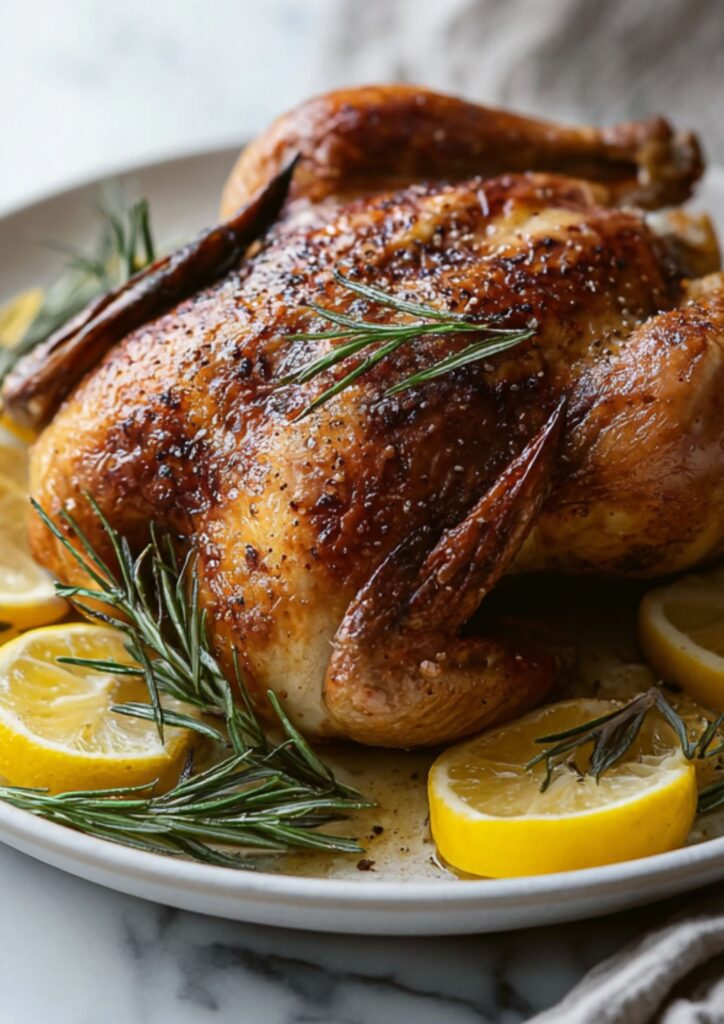
Try More Pioneer Woman Recipes:
- Pioneer Woman Chicken Pot Pie With Biscuits Recipe
- Pioneer Woman Chicken Pot Pie Recipe
- Pioneer Woman Chicken Piccata with Buttery Lemon Noodles Recipe

Pioneer Woman Roasted Chicken Recipe
Description
Pioneer Woman Roasted Chicken is a classic, high-heat roast that delivers a shatteringly crisp skin and succulent meat. The recipe features a rich compound butter infused with fresh rosemary and lemon zest, which is applied both over and under the skin to baste the bird from the inside out. Stuffed with fresh lemon halves and whole rosemary sprigs, this chicken is roasted at a high temperature to caramelize the exterior while preserving a bright, citrusy acidity and herbal depth throughout the meat.
Ingredients
Instructions
- Prep oven and aromatics: Set the oven to 220°C (425°F) for a standard oven or 205°C (400°F) if you’re using convection. Grate the zest from two of the lemons into a bowl, then pull the leaves off one rosemary sprig and chop them into tiny bits.
- Make the compound butter: Mash the softened butter, lemon zest, and chopped rosemary together with a fork. Season the mixture heavily with salt and pepper, making sure the spices are spread evenly through the fat so every bite of the chicken is seasoned.
- Prepare the chicken: Cover a large rimmed baking sheet with heavy-duty foil to catch all the rendered fat. Lay the chicken on the foil and use paper towels to dry the skin one last time; any moisture left on the surface will steam the bird instead of roasting it.
- Season the chicken: Use your hands to rub the lemon-rosemary butter all over the skin and inside the cavity. Gently lift the skin over the breast and thighs to slide a good amount of butter directly onto the meat.
- Stuff and roast: Slice all three lemons in half and squeeze the juice of two halves over the top of the bird. Stuff those spent halves and the remaining rosemary sprigs into the cavity, then roast for about 75 minutes until the skin is dark and crispy.
- Rest and serve: Move the chicken to a carving board and let it sit undisturbed for 15 minutes. This pause allows the internal juices to settle back into the muscle fibers so they don’t flood the board the second you make your first cut.
Do not be shy with the butter under the skin. This layer of fat acts as a shield for the lean breast meat, basting it from the outside in as the chicken cooks in the high heat.
Notes
-
Dry the skin thoroughly: If the chicken skin is even slightly damp, the butter won’t stick and the skin will never get that shatteringly crisp texture. I often let my chicken sit uncovered in the fridge for an hour before cooking to air-dry the surface.
Use room temperature butter: Trying to mix lemon zest into cold butter is a losing battle. Let the butter sit on the counter until it’s soft enough that you can easily press a finger through it without any resistance.
Squeeze lemons with care: Watch out for seeds when you’re juicing the fruit over the chicken. Those little pips will bake into the skin and give you a bitter surprise if you don’t pluck them off before the tray goes into the oven.
Check the thigh temp: The most accurate way to tell if the bird is done is to stick a thermometer into the thickest part of the thigh without hitting the bone. You’re looking for 74°C (165°F) to ensure it’s safe and juicy.
Tuck the wings: Fold the wing tips behind the back of the chicken before roasting. This prevents the thin tips from burning and helps the bird sit flat on the tray so the breast meat cooks at an even rate.
Save the pan drippings: The liquid left on the foil is liquid gold made of melted butter, chicken fat, and lemon juice. Pour it into a small bowl and spoon it back over the sliced meat just before serving for an extra hit of flavor.