 Claire Dawson
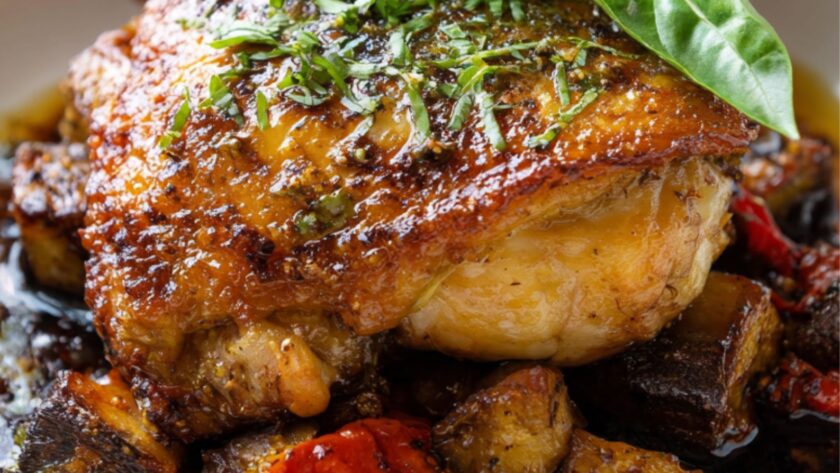
 Pioneer Woman Roasted Chicken and Vegetables is an easy American sheet pan dinner. This one-pan meal roasts chicken pieces over a bed of potatoes, cherry tomatoes, and kalamata olives for a salty, savory finish.
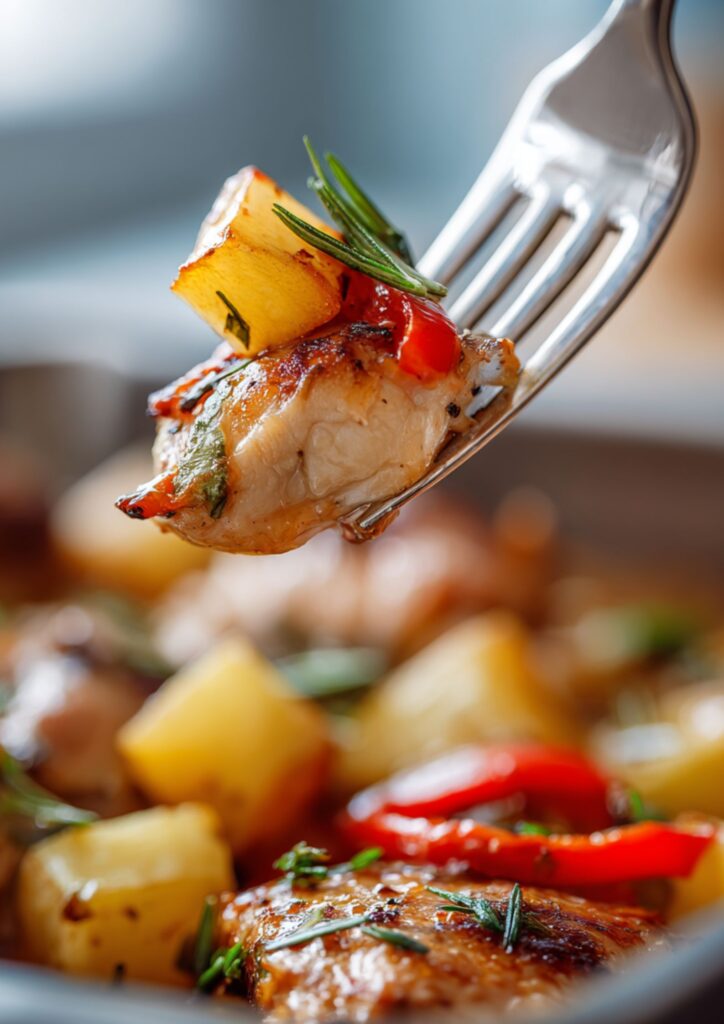
I’ve learned that the secret to getting this right is how you prep the potatoes. If you cut them into giant chunks, they’ll still be hard by the time the chicken is done. I always aim for small, one-inch cubes so they have enough surface area to soak up the juices from the tomatoes and chicken fat while they soften.
The balsamic vinegar is doing more work than you’d think here. It’s only a small amount, but it reacts with the sugar in the roasting tomatoes to create a dark, tangy glaze on the bottom of the pan. I usually use a mix of thighs and drumsticks because they stay much juicier during the long hour in the oven compared to lean breasts. It’s the kind of meal that makes the whole house smell like a rustic kitchen without requiring you to wash more than one dish.
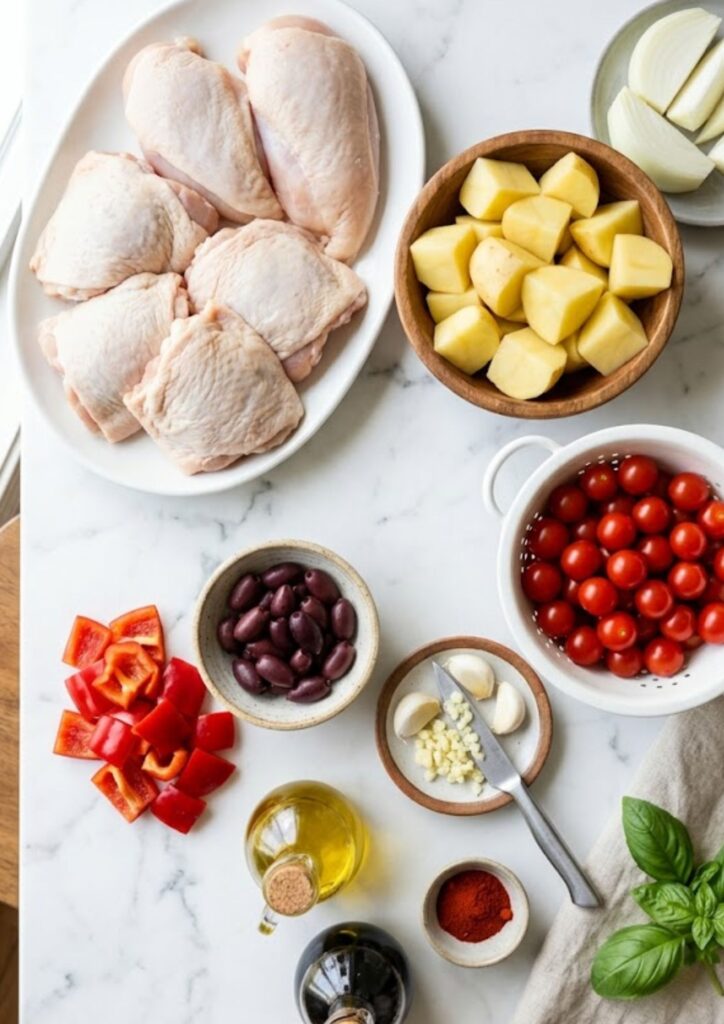
Pioneer Woman Roasted Chicken and Vegetables Ingredients
For the Chicken and Vegetables:
- 2 pounds (900g) chicken pieces (breasts, thighs, or drumsticks)
- 4 medium (800g) potatoes, peeled and cut into 1-inch cubes
- 1 large onion, cut into thick wedges
- 2 cups (300g) cherry tomatoes
- 6 cloves garlic, minced
- 1 red bell pepper, roughly chopped
- 1 cup (180g) kalamata olives
- 4 tablespoons (60ml) olive oil
- 1 tablespoon (15ml) balsamic vinegar
- 1 teaspoon smoked paprika
- Salt and pepper to taste
- 3 fresh basil leaves, chopped
How To Make Pioneer Woman Roasted Chicken and Vegetables
- 1. Heat the oven: Set your oven rack to the center position and preheat to 375°F (190°C). Grab a large 9×13-inch baking dish or a heavy rimmed sheet pan and set it aside.
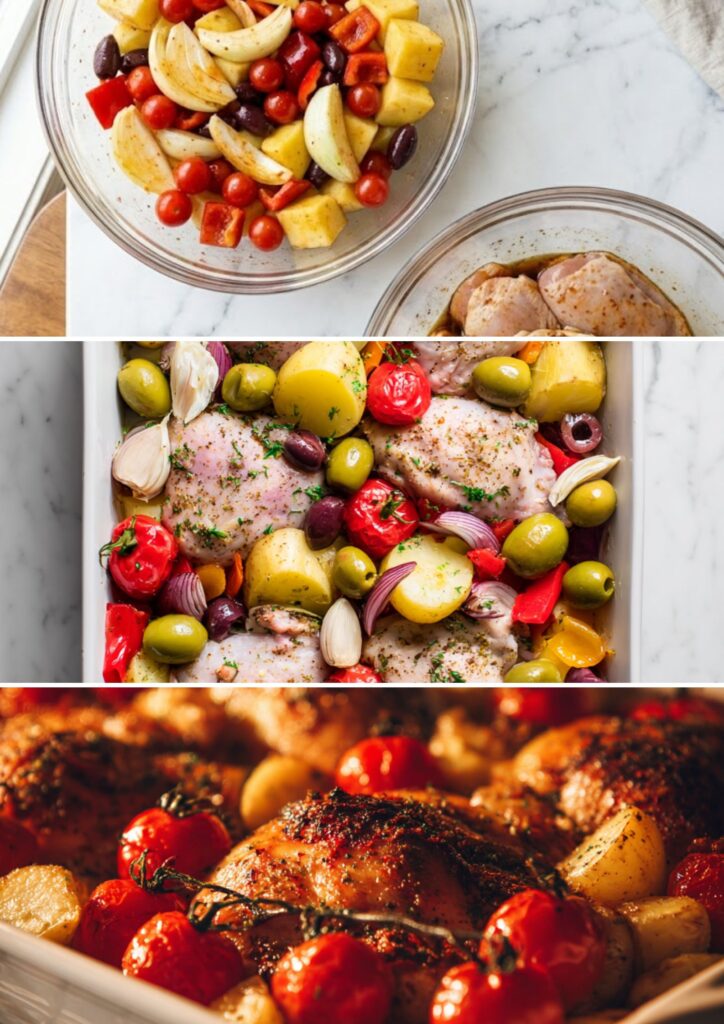
- 2. Season the parts: Toss the potatoes, onion, tomatoes, peppers, and olives in a large bowl. Put the chicken in a different bowl and split the garlic, oil, vinegar, paprika, salt, and pepper between the two.
Doing them in separate bowls ensures every inch of the chicken gets coated in the spices. If you throw it all in together, the garlic tends to stick to the vegetables and leaves the meat bland.
- 3. Arrange the pan: Pour the vegetable mixture into your baking dish and spread them out so they make a flat bed. Nestled the chicken pieces right on top of the vegetables, skin-side up if you’re using skin-on meat.
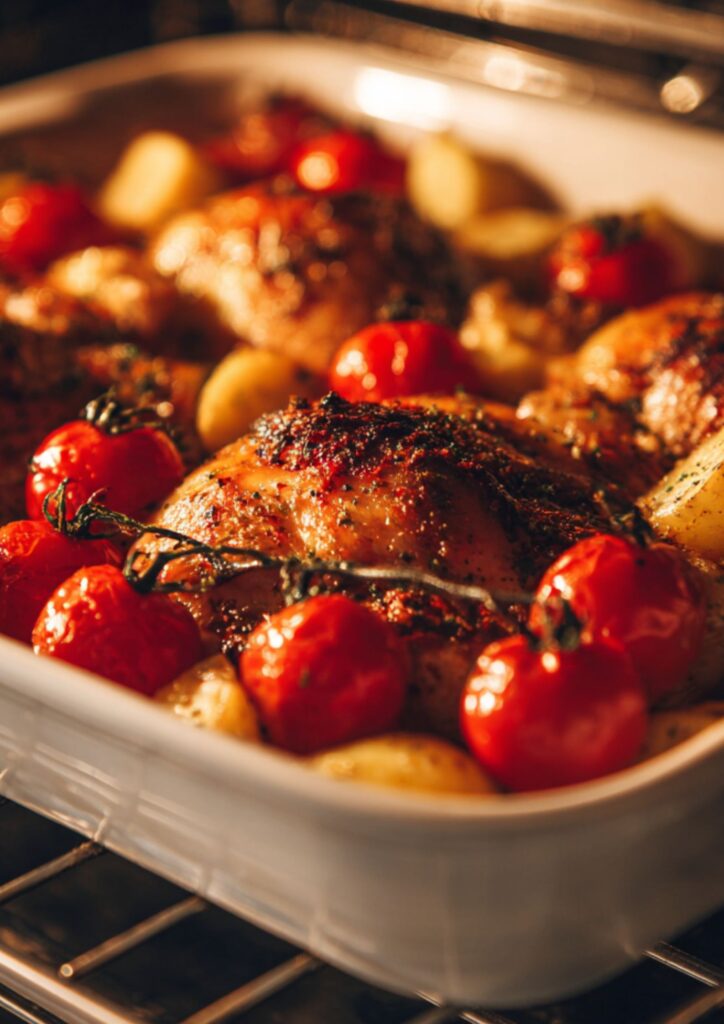
- 4. Roast until tender: Slide the pan into the oven and bake for about 1 hour. You’re looking for the chicken juices to run clear and the potatoes to feel soft when you poke them with a fork.
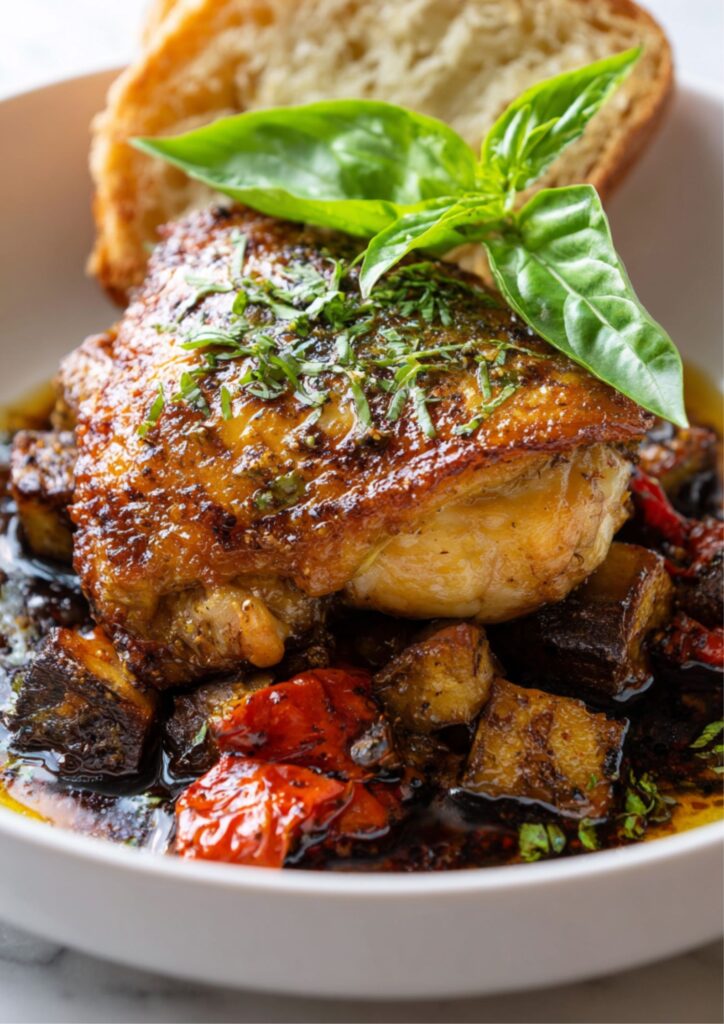
- 5. Garnish and serve: Take the pan out and let it sit for five minutes so the juices settle back into the meat. Scatter the fresh basil over the top and spoon some of the liquid from the bottom of the pan over the chicken before you plate it up.
Don’t skip the pan juices. That liquid is a concentrated mix of melted chicken fat, balsamic vinegar, and burst tomato juice that’s too good to leave behind.
Recipe Tips
- Dry the chicken first: Use a paper towel to pat the meat dry before you add the oil and spices. If the chicken is wet, the oil will slide right off and the skin will steam instead of getting that nice roasted color.
- Pick a heavy pan: A thick ceramic baking dish or a heavy-duty metal sheet pan works best for this. Thin pans can warp in the oven, which makes the oil pool in one corner and leaves half your vegetables dry.
- Check your potato variety: Go for a waxy potato like Yukon Gold because they hold their shape even after an hour of roasting. Starchy russets tend to fall apart and turn into mush when they’re surrounded by the juice from the tomatoes.
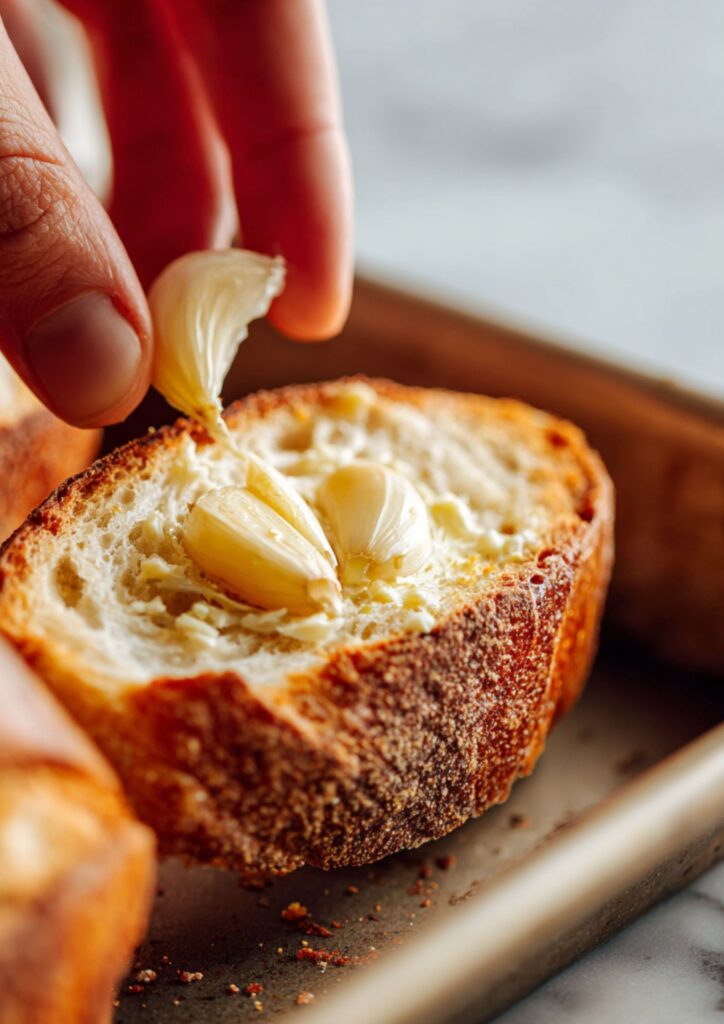
- Use whole garlic cloves: If you’re worried about the minced garlic burning during the long roast, you can leave the cloves whole and smashed instead. They’ll soften into sweet little pockets of flavor that you can spread onto the chicken like butter.
- Watch the salt: Kalamata olives are naturally very salty, so go easy on the extra salt when you’re seasoning the bowls. You can always add a pinch more at the table, but you can’t take it away once it’s baked into the potatoes.
- Prep ahead of time: You can chop the vegetables and season the chicken up to 4 hours before you plan to eat. Keep them in the fridge in their separate bowls and just dump them into the pan when you’re ready to start the oven.
What To Serve With Pioneer Woman Roasted Chicken and Vegetables Recipe
A thick slice of crusty bread is the best thing to have on the side. You’ll want it to mop up the extra liquid and smashed roasted garlic left on your plate.
If you want more greens, a cold cucumber salad or some steamed green beans work well. Since the main dish is quite heavy and roasted, something crisp and fresh helps make the meal feel balanced.
Storing & Reheating Tips
- Fridge: Place the leftovers in an airtight glass container and keep them in the fridge for up to 3 days. The vegetables will continue to soften as they sit in the juices, so they’ll be even more flavorful the next day.
- Freeze: This dish doesn’t freeze well because the tomatoes and potatoes change texture when they thaw. The potatoes often become grainy and the tomatoes turn into a thin watery liquid, so it’s best to eat this fresh.
- Reheat: Use the oven at 350°F (175°C) for about 15 minutes to keep the chicken from getting rubbery. The microwave is faster, but it can make the potatoes feel a bit soggy and the chicken skin will go limp.
Pioneer Woman Roasted Chicken and Vegetables Nutrition Facts
Per serving (1 of 4):
- Calories: 580 kcal
- Protein: 44g
- Fat: 32g
- Carbohydrates: 28g
- Sugar: 6g
- Sodium: 840mg
FAQs
Can I use chicken breasts for Pioneer Woman Roasted Chicken and Vegetables?
Yes, you can use breasts, but you should cut them into large, even pieces so they don’t dry out. Since they cook faster than thighs, check them at the 45-minute mark to ensure they haven’t become tough.
What happens if my potatoes are still hard after an hour?
This usually happens if the cubes were cut too large or if the pan was too crowded. If the chicken is done but the potatoes aren’t, take the meat out to rest and put the vegetables back in the oven for another 10 minutes.
Can I make Pioneer Woman Roasted Chicken and Vegetables without olives?
Yes, if you don’t like olives, you can just leave them out or swap them for capers. If you skip them entirely, you might need to add a little extra salt to the vegetables to make up for the lost brine.
How do I stop the tomatoes from burning?
The cherry tomatoes should stay whole for most of the cooking time, but if they start to look too dark, you can tuck them under the chicken pieces. Being covered by the meat protects them from the direct heat of the oven.
Can I use dried basil instead of fresh in my Pioneer Woman Roasted Chicken and Vegetables?
No, dried basil has a completely different flavor that can be quite bitter when roasted. If you don’t have fresh basil, it’s better to use fresh parsley or just leave the garnish off entirely.
Try More Pioneer Woman Recipes:
- Pioneer Woman Chicken Stuffing Casserole
- Pioneer Woman Chicken Noodle Casserole
- Pioneer Woman Chicken Rice Casserole

Pioneer Woman Roasted Chicken and Vegetables Recipe
Description
Pioneer Woman Roasted Chicken and Vegetables is a vibrant, Mediterranean-inspired sheet pan meal that captures the essence of rustic home cooking. This “all-in-one” dish features chicken pieces roasted atop a bed of hearty potatoes, thick onion wedges, and sweet cherry tomatoes. The addition of Kalamata olives and balsamic vinegar creates a complex, savory-tart pan sauce that develops as the chicken fats render into the vegetables. Seasoned with smoked paprika and finished with fresh basil, it is a colorful, high-flavor dinner that minimizes cleanup while maximizing depth.
Ingredients
Instructions
- Heat the oven: Set your oven rack to the center position and preheat to 375°F (190°C). Grab a large 9×13-inch baking dish or a heavy rimmed sheet pan and set it aside.
- Season the parts: Toss the potatoes, onion, tomatoes, peppers, and olives in a large bowl. Put the chicken in a different bowl and split the garlic, oil, vinegar, paprika, salt, and pepper between the two.
- Arrange the pan: Pour the vegetable mixture into your baking dish and spread them out so they make a flat bed. Nestled the chicken pieces right on top of the vegetables, skin-side up if you’re using skin-on meat.
- Roast until tender: Slide the pan into the oven and bake for about 1 hour. You’re looking for the chicken juices to run clear and the potatoes to feel soft when you poke them with a fork.
- Garnish and serve: Take the pan out and let it sit for five minutes so the juices settle back into the meat. Scatter the fresh basil over the top and spoon some of the liquid from the bottom of the pan over the chicken before you plate it up.
Doing them in separate bowls ensures every inch of the chicken gets coated in the spices. If you throw it all in together, the garlic tends to stick to the vegetables and leaves the meat bland.
Don’t skip the pan juices. That liquid is a concentrated mix of melted chicken fat, balsamic vinegar, and burst tomato juice that’s too good to leave behind.
Notes
-
Dry the chicken first: Use a paper towel to pat the meat dry before you add the oil and spices. If the chicken is wet, the oil will slide right off and the skin will steam instead of getting that nice roasted color.
Pick a heavy pan: A thick ceramic baking dish or a heavy-duty metal sheet pan works best for this. Thin pans can warp in the oven, which makes the oil pool in one corner and leaves half your vegetables dry.
Check your potato variety: Go for a waxy potato like Yukon Gold because they hold their shape even after an hour of roasting. Starchy russets tend to fall apart and turn into mush when they’re surrounded by the juice from the tomatoes.
Use whole garlic cloves: If you’re worried about the minced garlic burning during the long roast, you can leave the cloves whole and smashed instead. They’ll soften into sweet little pockets of flavor that you can spread onto the chicken like butter.
Watch the salt: Kalamata olives are naturally very salty, so go easy on the extra salt when you’re seasoning the bowls. You can always add a pinch more at the table, but you can’t take it away once it’s baked into the potatoes.
Prep ahead of time: You can chop the vegetables and season the chicken up to 4 hours before you plan to eat. Keep them in the fridge in their separate bowls and just dump them into the pan when you’re ready to start the oven.