 Claire Dawson
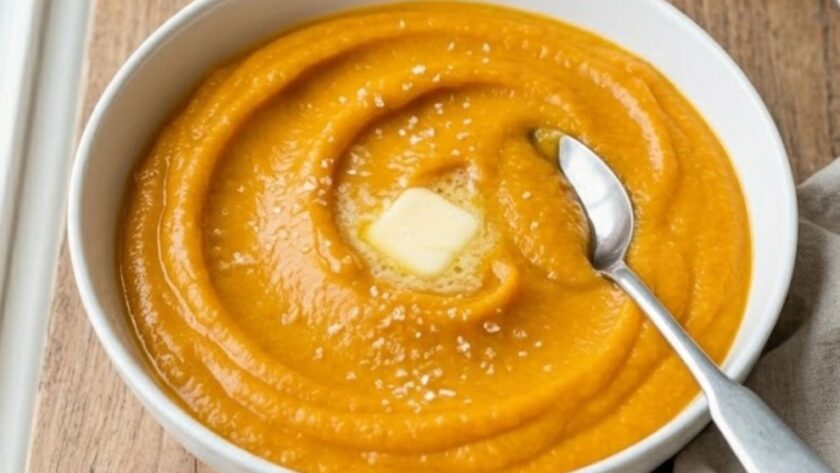
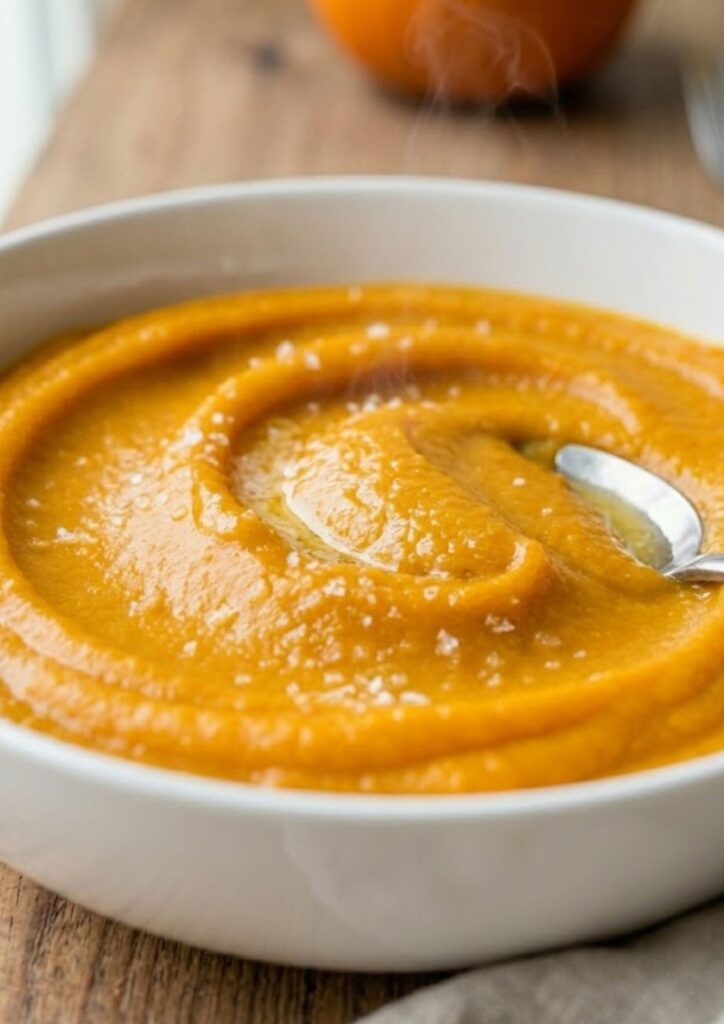
 Pioneer Woman Pumpkin Puree is a fundamental American baking staple that replaces the canned version with fresh flavor. This simple recipe uses small sugar pumpkins roasted until tender and blended into a smooth, vibrant base for pies, breads, and seasonal soups.
Approach C: This is one of those recipes that looks harder than it is. The whole thing comes down to picking the right pumpkin at the store, because those massive carving pumpkins are too watery and tasteless for baking. If you grab the small, heavy pie pumpkins, the process is as easy as roasting a potato.
The roasting time is doing more work than you’d think here. By letting the pumpkin sit in the oven for forty-five minutes, the natural sugars caramelize and the flesh pulls away from the skin on its own. I’ve found that making a big batch in October is the best way to prep for the holidays because the flavor is so much deeper than anything you’d get out of a tin.
Pioneer Woman Pumpkin Puree Ingredients
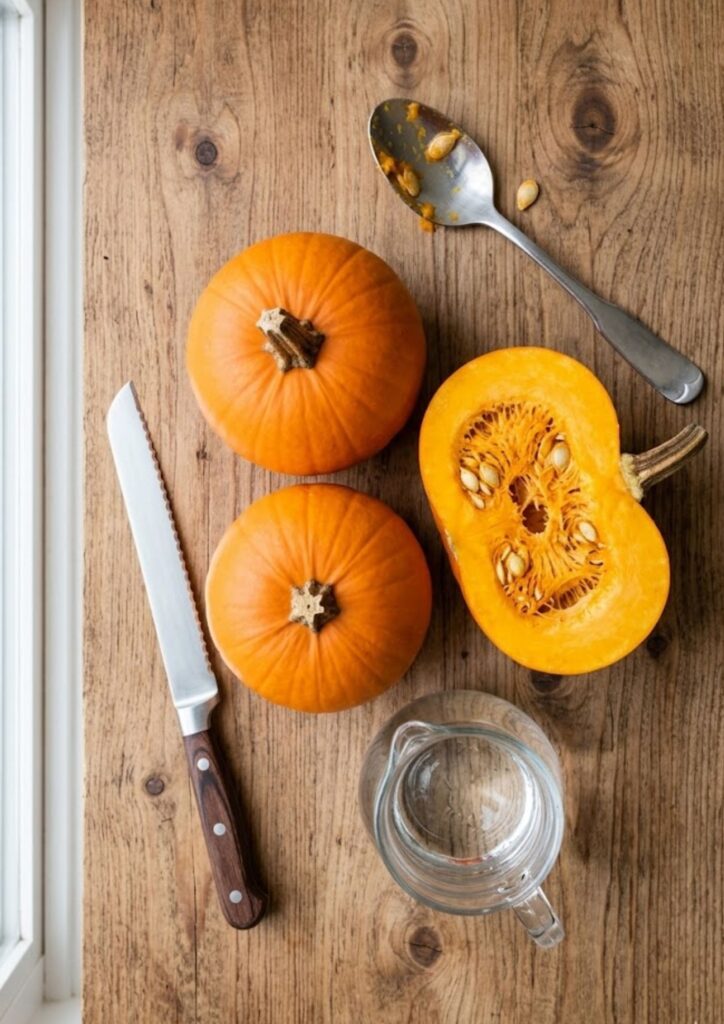
- 2 whole small pumpkins (sugar or pie pumpkins)
- Water (only if needed for blending)
How To Make Pioneer Woman Pumpkin Puree
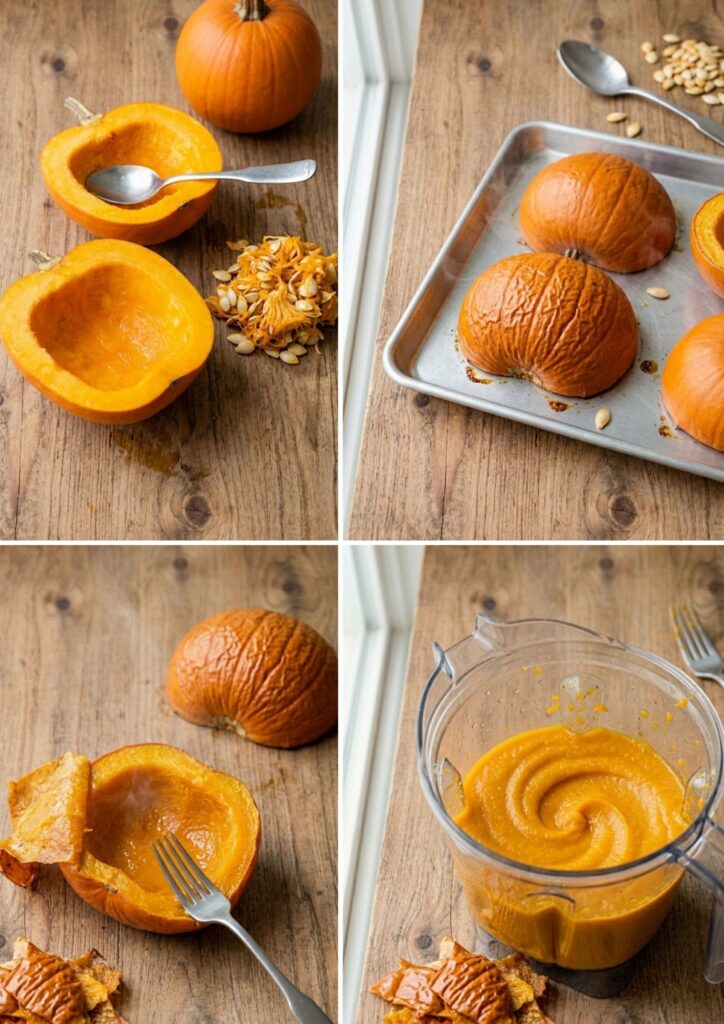
- 1. Prep the pumpkins: Preheat your oven to 180°C (350°F). Use a heavy knife to cut the pumpkins in half from the stem down to the base, then use a sturdy spoon to scrape out all the seeds and the stringy guts from the middle.
- 2. Roast the pumpkins: Lay the pumpkin halves on a large baking sheet. You can put them face down to steam them or face up if you want a bit more color, then roast for about 45 minutes until a fork slides into the flesh with no resistance.
- 3. Separate the flesh: Take the tray out and let the pumpkins sit until they’re cool enough to touch without burning your fingers. The skin should be wrinkled and loose, allowing you to peel it right off the back of the meat.
- 4. Puree the pumpkin: Put the cooked pumpkin chunks into a food processor or a high-speed blender. Pulse the machine until the mixture is completely smooth and there are no lumps left.
If the blades are struggling to move, add a tiny splash of water to help things along. Don’t add too much, or the puree will become a soup instead of a thick paste that holds its shape on a spoon.
- 5. Check consistency: Look at the final texture to see if it’s drippy. If it looks too thin, set a fine-mesh sieve over a bowl and let the puree sit for ten minutes so the extra water can drain out.
Recipe Tips
- Choose small pumpkins: Look for labels that say “pie pumpkin” or “sugar pumpkin” at the market. These varieties have a much denser, sweeter flesh and a smoother texture that’s specifically meant for cooking and baking.
- Save the seeds: Don’t throw the insides away while you’re cleaning the pumpkins. You can rinse the seeds, toss them with a little oil and salt, and roast them on a separate tray for a crunchy snack.
- Use a serrated knife: Cutting through raw pumpkin skin can be dangerous because the blade tends to slip. A long serrated bread knife often grips the waxy surface better than a smooth chef’s knife, making that first cut much safer.
- Drain for pies: If you’re using this for a custard-style pie, make sure you do the cheesecloth strain. Homemade puree is naturally more hydrated than the canned stuff, and that extra liquid can stop a pie from setting properly.
- Pulse, don’t just blend: When you start the food processor, use short bursts first. This breaks up the larger chunks of roasted pumpkin evenly before you let the machine run on high to get that final silky finish.
What To Serve With Pioneer Woman Pumpkin Puree
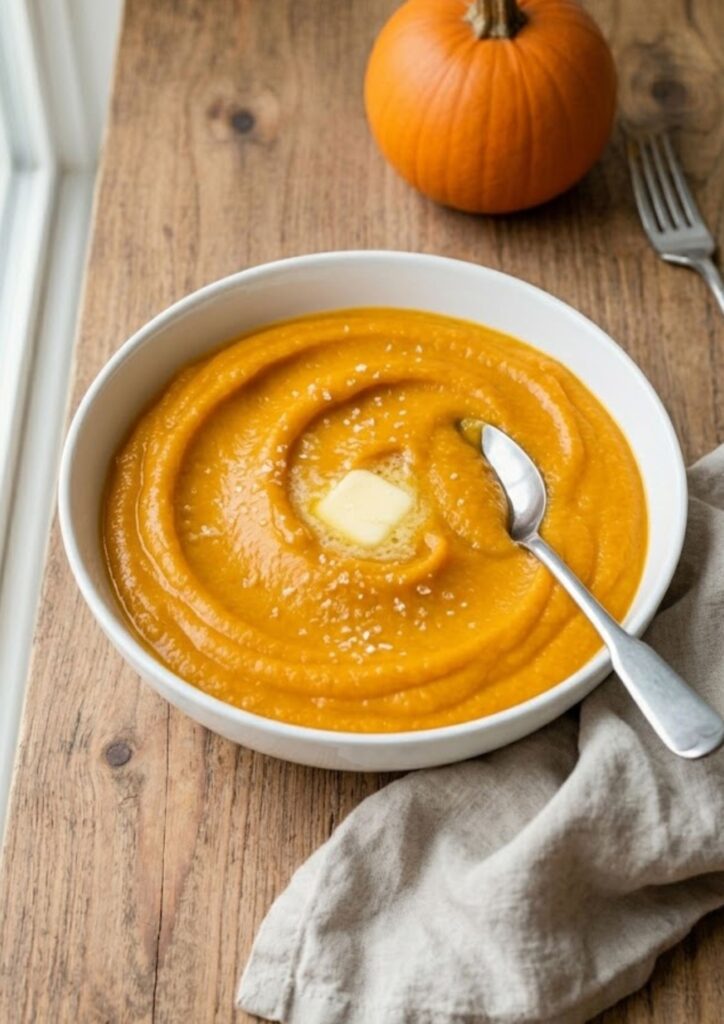
A warm bowl of this puree seasoned with a little salt and butter makes a great side dish on its own. You can also stir it into oatmeal or yogurt with a sprinkle of cinnamon for a quick fall breakfast.
If you’re using it as an ingredient, it’s the perfect base for a homemade pumpkin latte or a batch of spiced muffins. I often mix it with a bit of maple syrup and nutmeg to serve alongside roasted pork or chicken.
How To Store Pioneer Woman Pumpkin Puree
- Fridge: Keep the puree in an airtight glass jar or container for up to 5 days. It might release a little more water as it sits, so just give it a quick stir before you use it in a recipe.
- Reheat: You don’t usually need to reheat the puree unless you’re eating it as a side dish. If you do, a small saucepan over low heat works best to keep it from splattering all over your stove.
- Freeze: This freezes beautifully for up to six months. I like to measure it out into 1-cup portions and put them in freezer bags so I can grab exactly what I need for a recipe without thawing the whole batch.
Pioneer Woman Pumpkin Puree Nutrition Facts
Per serving (1/2 cup):
- Calories: 45 kcal
- Protein: 1g
- Fat: 0g
- Carbohydrates: 10g
- Sugar: 4g
- Sodium: 5mg
FAQs
Can I use a jack-o-lantern pumpkin for Pioneer Woman Pumpkin Puree?
No, those large pumpkins are grown for size and thick skins, which makes the flesh very stringy and bland. For a good puree, you really need the smaller sugar pumpkins which have more natural sugar and a better texture.
Why is my homemade puree paler than the canned stuff?
Canned pumpkin often contains a mix of different squash varieties, like Hubbard or butternut, which are darker in color. Your fresh puree might look a bit more yellow, but the flavor will be much fresher and lighter.
How do I make the puree thicker?
If your puree is too runny, you can cook it down in a wide skillet over medium heat for about ten minutes. Stirring it constantly allows the extra moisture to evaporate, leaving you with a very concentrated and thick paste.
Can I roast the pumpkin with the stem still on?
Yes, you can leave the stem on while roasting if it’s too hard to cut off. Once the pumpkin is soft and cooked, the stem will usually just fall right off or can be easily pulled away from the flesh.
Do I need to add oil to the pumpkin before roasting?
No, you don’t need any oil for this recipe because you want the pure taste of the pumpkin. Roasting it plain allows the natural moisture to do the work, making it easier to peel the skin off later.
Try More Pioneer Woman Recipes:
- Pioneer Woman Pumpkin Chocolate Chip Cookies Recipe
- Pioneer Woman Pumpkin Bread Pudding Recipe
- Pioneer Woman Pumpkin Soup Recipe

Pioneer Woman Pumpkin Puree Recipe
Description
The Pioneer Woman’s Homemade Pumpkin Puree is a brilliant, single-ingredient recipe that will make you rethink ever buying the canned stuff again. By simply roasting fresh, sweet sugar pumpkins until perfectly tender and blending the flesh until silky smooth, you get a vibrant, incredibly fresh-tasting puree. It is an essential, easy-to-make building block for all your favorite fall recipes, from spiced pies and muffins to comforting creamy soups.
Ingredients
Instructions
- Prep the pumpkins: Preheat your oven to 180°C (350°F). Use a heavy knife to cut the pumpkins in half from the stem down to the base, then use a sturdy spoon to scrape out all the seeds and the stringy guts from the middle.
- Roast the pumpkins: Lay the pumpkin halves on a large baking sheet. You can put them face down to steam them or face up if you want a bit more color, then roast for about 45 minutes until a fork slides into the flesh with no resistance.
- Separate the flesh: Take the tray out and let the pumpkins sit until they’re cool enough to touch without burning your fingers. The skin should be wrinkled and loose, allowing you to peel it right off the back of the meat.
- Puree the pumpkin: Put the cooked pumpkin chunks into a food processor or a high-speed blender. Pulse the machine until the mixture is completely smooth and there are no lumps left.
- Check consistency: Look at the final texture to see if it’s drippy. If it looks too thin, set a fine-mesh sieve over a bowl and let the puree sit for ten minutes so the extra water can drain out.
If the blades are struggling to move, add a tiny splash of water to help things along. Don’t add too much, or the puree will become a soup instead of a thick paste that holds its shape on a spoon.
Notes
-
Choose small pumpkins: Look for labels that say “pie pumpkin” or “sugar pumpkin” at the market. These varieties have a much denser, sweeter flesh and a smoother texture that’s specifically meant for cooking and baking.
Save the seeds: Don’t throw the insides away while you’re cleaning the pumpkins. You can rinse the seeds, toss them with a little oil and salt, and roast them on a separate tray for a crunchy snack.
Use a serrated knife: Cutting through raw pumpkin skin can be dangerous because the blade tends to slip. A long serrated bread knife often grips the waxy surface better than a smooth chef’s knife, making that first cut much safer.
Drain for pies: If you’re using this for a custard-style pie, make sure you do the cheesecloth strain. Homemade puree is naturally more hydrated than the canned stuff, and that extra liquid can stop a pie from setting properly.
Pulse, don’t just blend: When you start the food processor, use short bursts first. This breaks up the larger chunks of roasted pumpkin evenly before you let the machine run on high to get that final silky finish.