 Claire Dawson
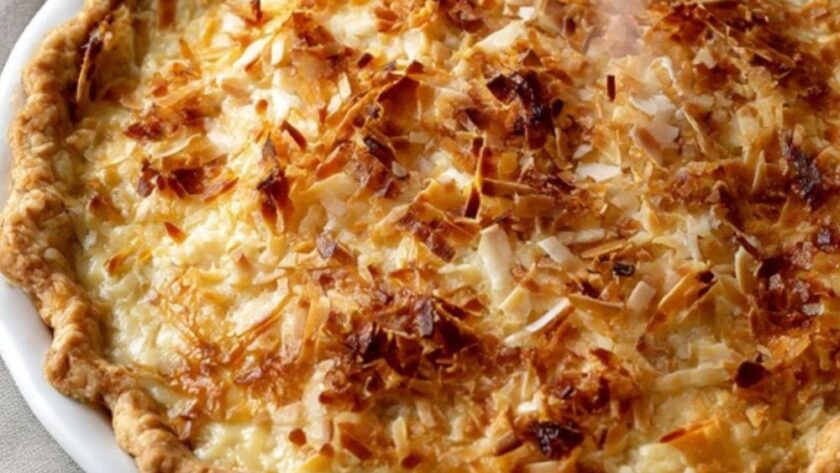
 Pioneer Woman Coconut Custard Pie Recipe is a classic American dessert that’s creamy and sweet. Whole milk and eggs create a silky base for plenty of shredded coconut and a hint of vanilla.
If you do nothing else, make sure your eggs and milk are at room temperature before you start mixing. That’s the difference between a smooth filling and one that looks curdled or lumpy after it bakes. I learned this the hard way when I used cold milk from the fridge and the sugar wouldn’t dissolve properly.
The amount of coconut in this version is what sets it apart from a standard custard. Ree Drummond’s approach uses a generous amount of sweetened flakes that rise to the top and toast while the middle stays soft. It’s the kind of pie that people ask for every time there’s a family get-together or a holiday.
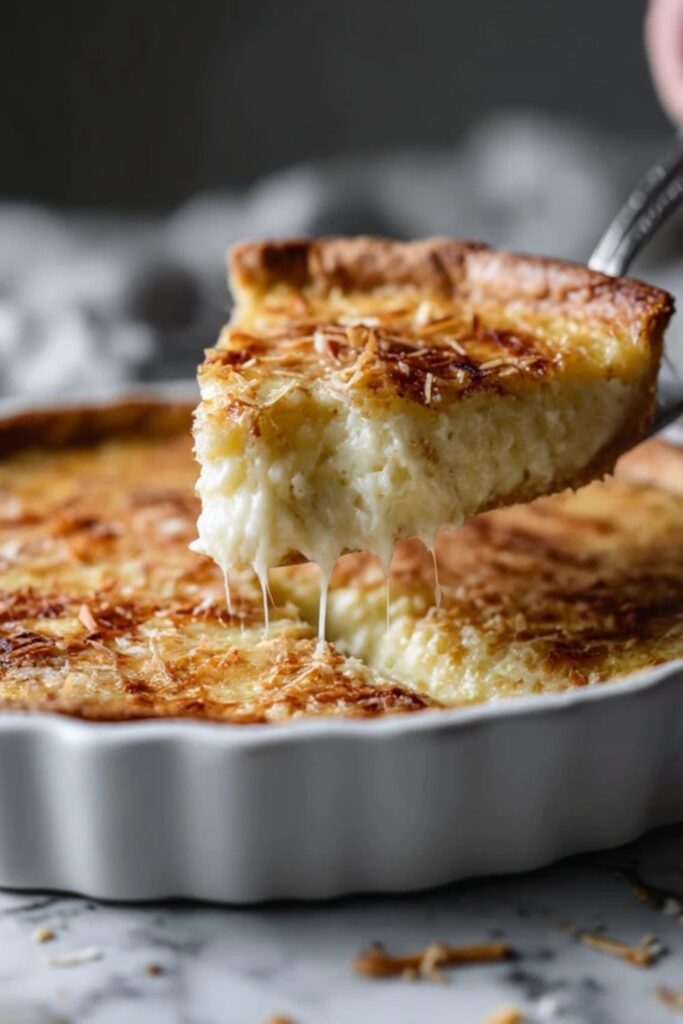
Pioneer Woman Coconut Custard Pie Recipe Ingredients
For the Crust
- 1 1/2 cups (180g) all-purpose flour
- 1/2 teaspoon (3g) salt
- 1/2 cup (115g) vegetable shortening, chilled
- 4 tablespoons (60ml) ice water
For the Filling
- 2 cups (480ml) whole milk
- 2 cups (200g) sweetened shredded coconut
- 3 large eggs
- 3/4 cup (150g) granulated sugar
- 2 tablespoons (30g) all-purpose flour
- 1/4 teaspoon (1.5g) salt
- 1 1/2 teaspoons (7ml) vanilla extract
- 2 tablespoons (30g) salted butter, melted and cooled
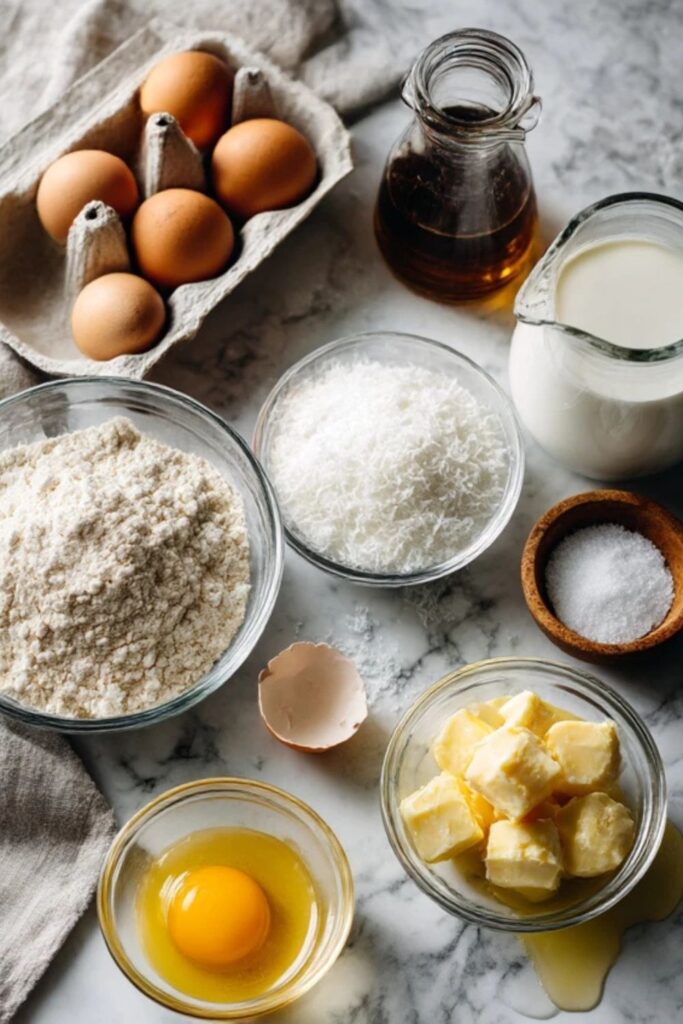
How To Make Pioneer Woman Coconut Custard Pie Recipe
- 1. Prepare the dough: Mix the flour and salt in a bowl, then use a pastry cutter to work in the shortening until it looks like small peas. Drizzle in the ice water one tablespoon at a time and toss with a fork until the dough just starts to clump together.
- 2. Chill the crust: Wrap the dough in plastic wrap and press it into a flat disk before putting it in the fridge for at least 30 minutes. This gives the flour time to absorb the water and relaxes the gluten so the crust doesn’t shrink when it hits the hot oven.
- 3. Roll and fit: Flour your counter and roll the dough into a circle about two inches wider than your 9-inch pie plate. Drape it over the plate, trim the edges, and pinch them into a decorative pattern with your fingers.
- 4. Heat the oven: Set your oven to 175°C (350°F) and make sure the rack is in the center position. While it heats up, you can start putting the filling ingredients together.
- 5. Mix the base: Whisk the eggs in a large bowl until they’re broken up and light yellow. Add the sugar, flour, and salt, then whisk again until the mixture is smooth and you don’t see any dry white clumps of flour.
- 6. Add the liquids: Pour in the milk, melted butter, and vanilla extract while stirring constantly. Make sure the butter isn’t hot when you add it, or it might start cooking the eggs prematurely and leave you with tiny bits of cooked egg in the custard.
- 7. Stir in coconut: Fold in the shredded coconut so it’s evenly spread throughout the liquid. Most of the coconut will naturally float to the surface during baking, which is exactly what you want for that golden toasted layer.
- 8. Fill the crust: Place your prepared pie plate on a baking sheet to catch any drips and pour the custard mixture into the raw crust. Be careful not to splash the liquid onto the crimped edges of the dough, as those spots will burn faster than the rest.
- 9. Bake the pie: Slide the baking sheet into the oven and bake for 45 to 50 minutes. The pie is done when the edges are set and the center has a slight jiggle like gelatin when you move the pan.
- If the crust starts getting too dark before the middle is set, wrap some foil around the edges. This protects the thin dough while the dense custard finishes cooking through to the center.
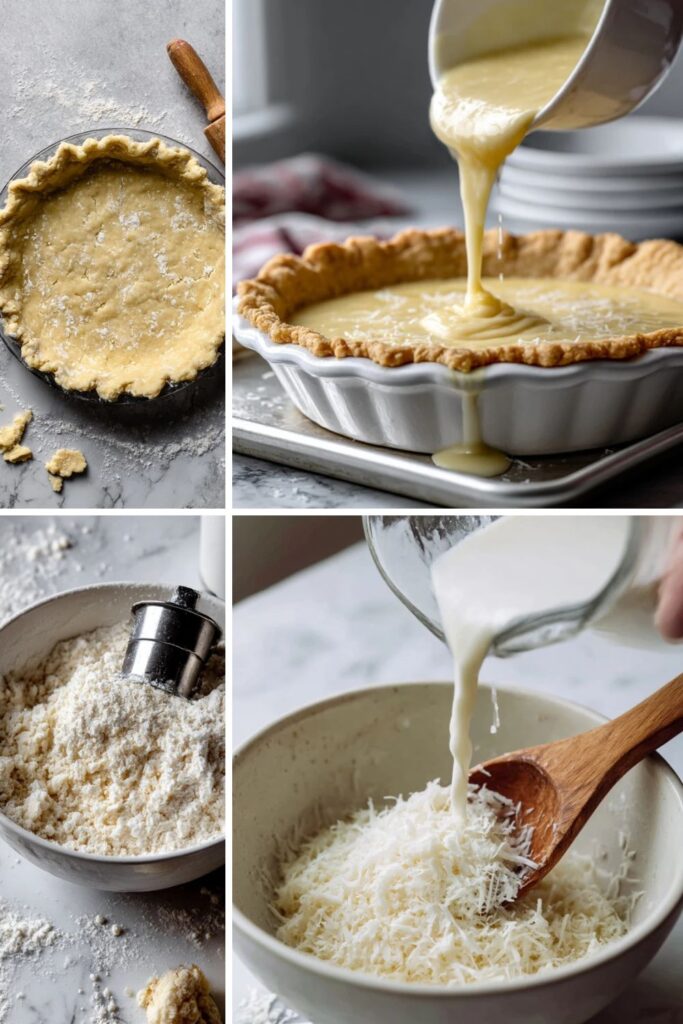
- 10. Cool completely: Remove the pie from the oven and let it sit on a wire rack until it reaches room temperature. You must let it cool for at least two to three hours before cutting so the custard can fully set and hold its shape.
Recipe Tips
- Check the coconut type. Use sweetened shredded coconut rather than the unsweetened or desiccated kind for the right texture. The sweetened flakes stay moist and chewy while the unsweetened stuff can turn woody and dry in the oven.
- Watch the jiggle. The center should wobble slightly when you pull it out because it keeps cooking from the heat in the pan. If you wait until the middle is completely firm, the custard will end up rubbery and tough once it cools down.
- Use whole milk. Stick to full-fat dairy for this recipe to get the best results. Lower fat milks like skim or 1% don’t have enough fat to create that heavy, velvet-like feel that makes a custard pie special.
- Flour the sugar. Whisking the flour into the sugar before adding any liquid prevents lumps from forming. This coats the flour particles in sugar so they stay separate and dissolve easily into the eggs and milk.
- Keep it for later. This pie is actually better if you make it the day before you need it. A night in the fridge allows the flavors to settle and makes the slices much cleaner when you go to serve them.
What To Serve With Coconut Custard Pie
A big dollop of whipped cream or a scoop of vanilla bean ice cream is the best way to eat this. The cold creaminess goes well against the toasted coconut on top of the pie.
If you want something to drink, a hot cup of coffee or a tall glass of cold milk works perfectly. Some fresh raspberries or sliced mango on the side can help cut through the sugar if you find the pie very sweet.
How To Store Coconut Custard Pie
- Fridge: Keep any leftovers in the refrigerator because of the high egg and milk content. Cover the pie plate tightly with plastic wrap or foil and it will stay fresh for up to four days.
- Reheat: This pie is meant to be eaten cold or at room temperature, so reheating isn’t usually the best move. If you really want it warm, put a slice in the oven at 150°C (300°F) for five minutes but watch it closely so the custard doesn’t melt.
- Freeze: You can freeze this pie for about a month if it’s wrapped very well in several layers of plastic. The texture of the custard might change slightly and become a bit more grainy after it thaws out in the fridge.
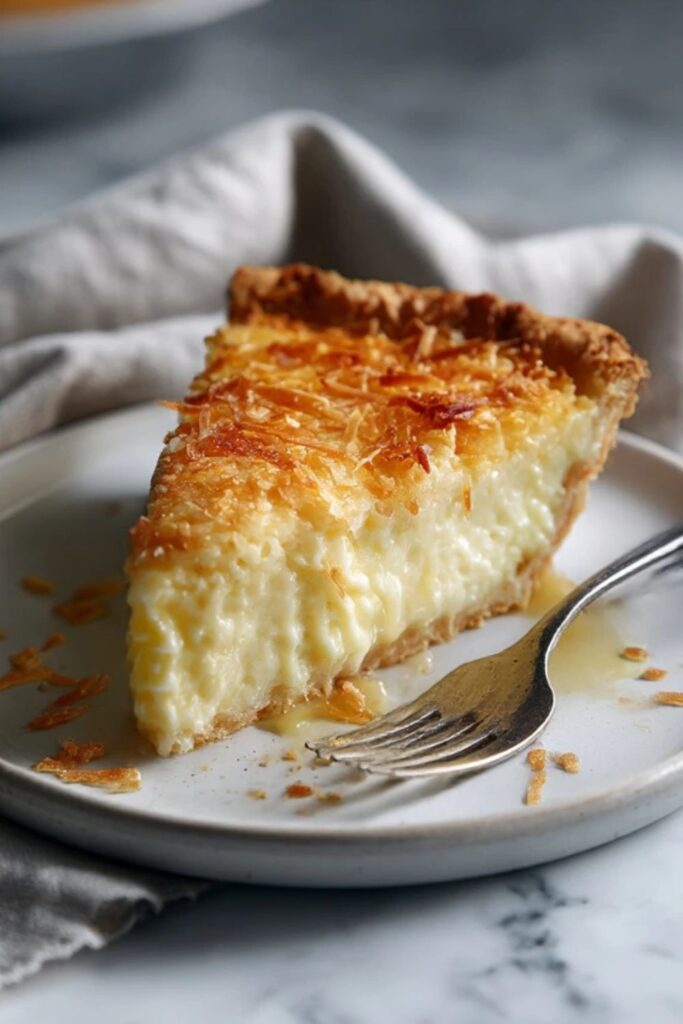
Pioneer Woman Coconut Custard Pie Recipe Nutrition Facts
Per serving (1 of 8):
- Calories: 410 kcal
- Protein: 6g
- Fat: 24g
- Carbohydrates: 44g
- Sugar: 31g
- Sodium: 290mg
FAQs
Why did my Pioneer Woman Coconut Custard Pie Recipe turn out watery?
The pie probably didn’t bake long enough or you didn’t let it cool completely before cutting into it. Custard needs that slow cooling time at room temperature to firm up and hold the moisture inside the structure.
Can I use a store-bought crust for this recipe?
Yes, a refrigerated pie crust from the store works fine if you’re short on time. Just make sure it’s for a 9-inch deep-dish plate so all the filling fits without spilling over the sides.
Do I need to pre-bake the crust for this pie?
No, the crust and the filling bake together from raw at the same time. The long baking window gives the dough enough time to crisp up on the bottom while the custard sets.
How do I stop the coconut from burning on top?
Move the pie to a lower rack in the oven if the top looks dark after 30 minutes. You can also lay a piece of foil loosely over the whole pie to shield the coconut from the direct heat.
Try More Pioneer Woman Recipes:
- Pioneer Woman Apple Pie Cookies Recipe
- Pioneer Woman Apple Cranberry Pie Recipe
- Pioneer Woman Peach Slab Pie Recipe
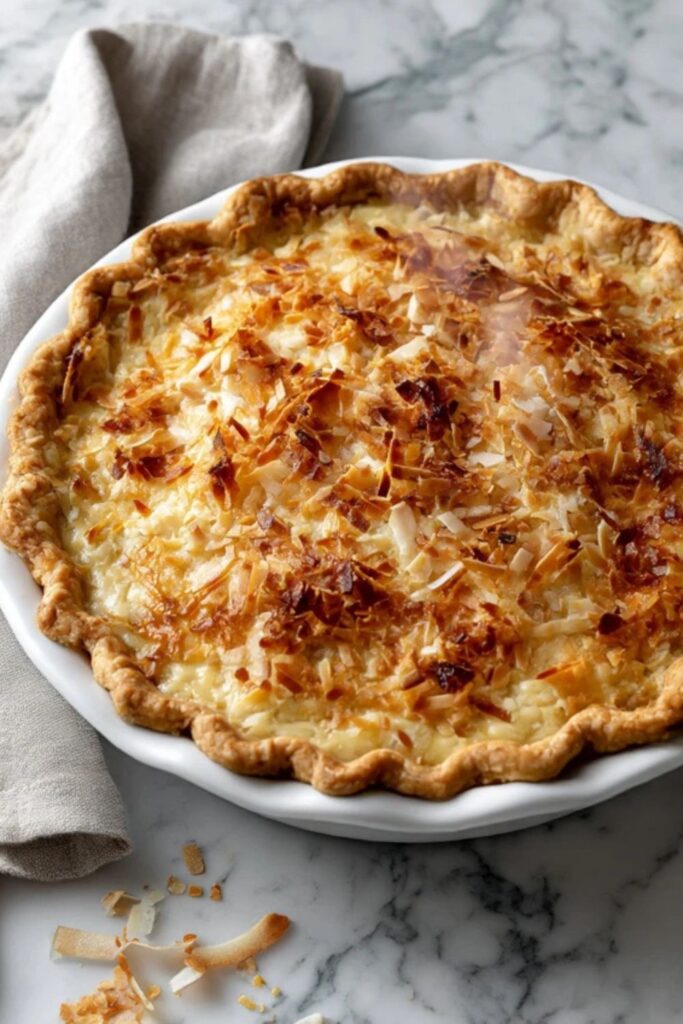

Pioneer Woman Coconut Custard Pie Recipe
Description
Pioneer Woman Coconut Custard Pie Recipe is a classic American dessert that’s creamy and sweet. Whole milk and eggs create a silky base for plenty of shredded coconut and a hint of vanilla.
Ingredients
For the Crust
For the Filling
Instructions
-
Prepare the dough: Mix the flour and salt in a bowl, then use a pastry cutter to work in the shortening until it looks like small peas. Drizzle in the ice water one tablespoon at a time and toss with a fork until the dough just starts to clump together.
-
2. Chill the crust: Wrap the dough in plastic wrap and press it into a flat disk before putting it in the fridge for at least 30 minutes. This gives the flour time to absorb the water and relaxes the gluten so the crust doesn’t shrink when it hits the hot oven.
- 3. Roll and fit: Flour your counter and roll the dough into a circle about two inches wider than your 9-inch pie plate. Drape it over the plate, trim the edges, and pinch them into a decorative pattern with your fingers.
-
4. Heat the oven: Set your oven to 175°C (350°F) and make sure the rack is in the center position. While it heats up, you can start putting the filling ingredients together.
-
5. Mix the base: Whisk the eggs in a large bowl until they’re broken up and light yellow. Add the sugar, flour, and salt, then whisk again until the mixture is smooth and you don’t see any dry white clumps of flour.
-
6. Add the liquids: Pour in the milk, melted butter, and vanilla extract while stirring constantly. Make sure the butter isn’t hot when you add it, or it might start cooking the eggs prematurely and leave you with tiny bits of cooked egg in the custard.
-
7. Stir in coconut: Fold in the shredded coconut so it’s evenly spread throughout the liquid. Most of the coconut will naturally float to the surface during baking, which is exactly what you want for that golden toasted layer.
-
8. Fill the crust: Place your prepared pie plate on a baking sheet to catch any drips and pour the custard mixture into the raw crust. Be careful not to splash the liquid onto the crimped edges of the dough, as those spots will burn faster than the rest.
-
9. Bake the pie: Slide the baking sheet into the oven and bake for 45 to 50 minutes. The pie is done when the edges are set and the center has a slight jiggle like gelatin when you move the pan.
If the crust starts getting too dark before the middle is set, wrap some foil around the edges. This protects the thin dough while the dense custard finishes cooking through to the center.
- 10. Cool completely: Remove the pie from the oven and let it sit on a wire rack until it reaches room temperature. You must let it cool for at least two to three hours before cutting so the custard can fully set and hold its shape.