 Claire Dawson
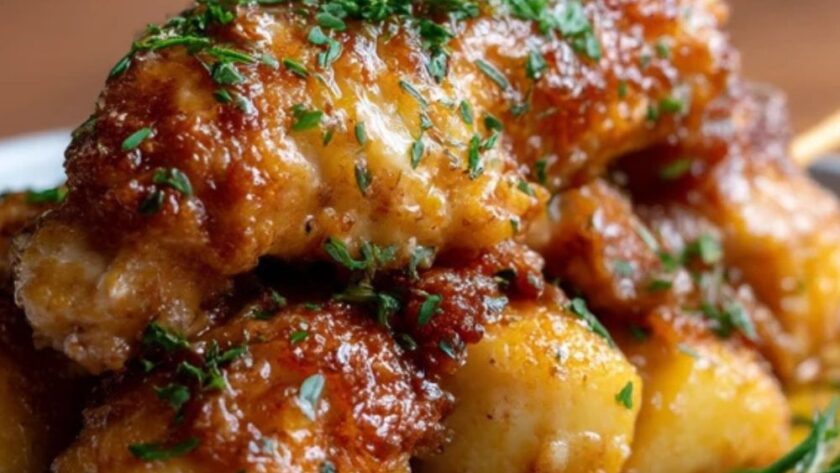
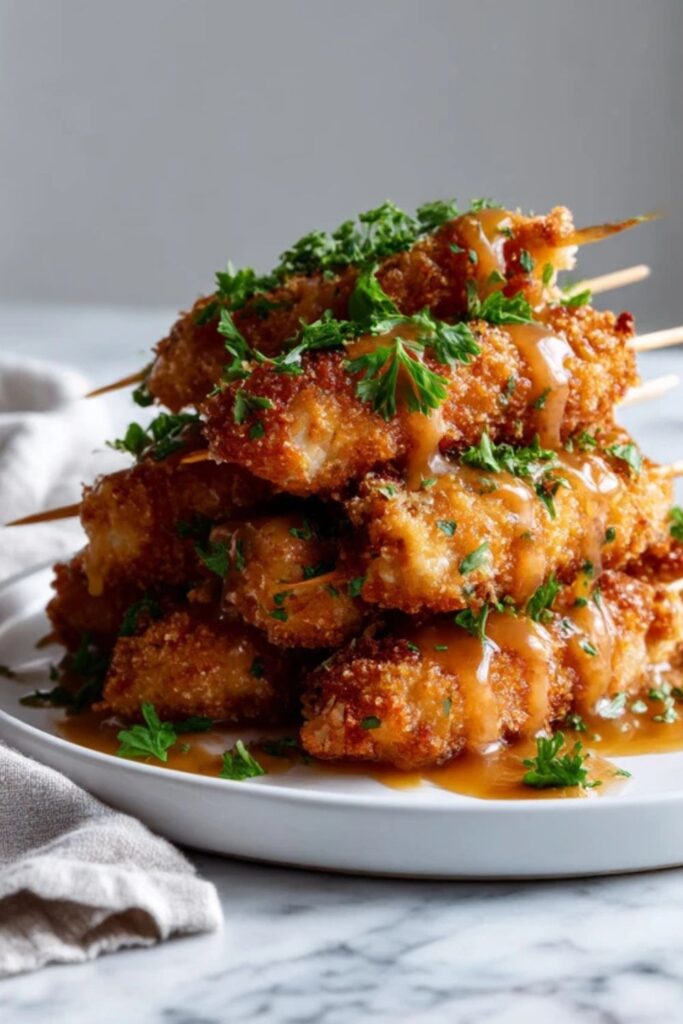
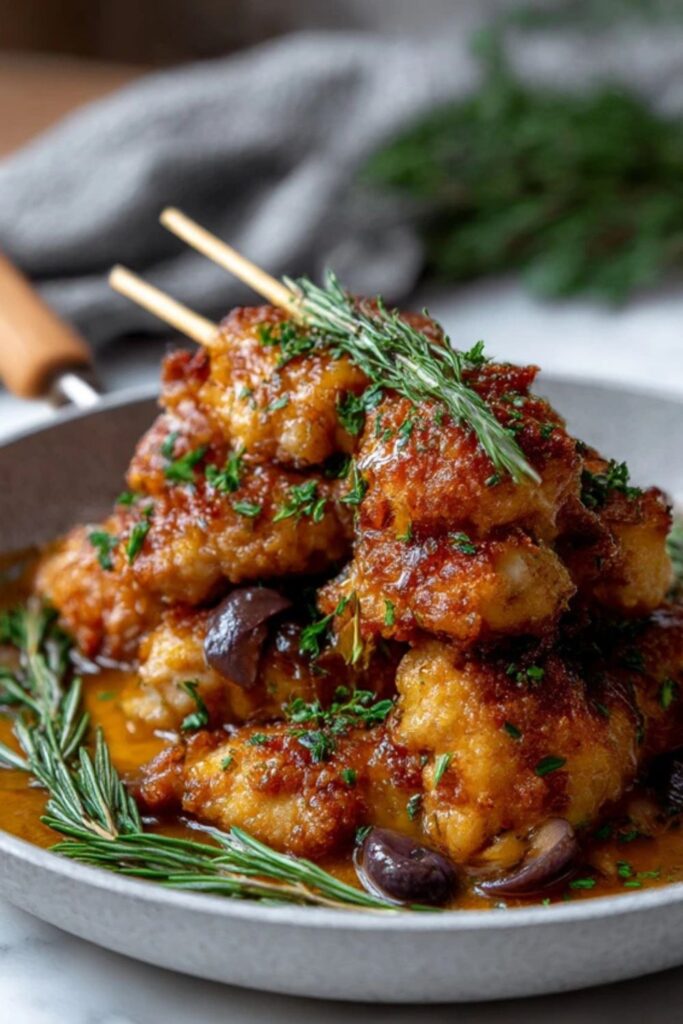
 Pioneer Woman City Chicken Recipe is a classic American comfort food dinner. Cubed pork and veal are threaded onto skewers, coated in crispy breadcrumbs, and browned in a skillet before finishing in the oven with a savory gravy.
I’ve tried a few versions of City Chicken and this one from Ree Drummond is the one I keep going back to because it gets the texture of the meat just right. The first time I made this, I rushed the browning phase and ended up with soggy coating after it came out of the oven. Now I always make sure the oil is hot enough to create a dark, solid crust before the skewers ever touch the baking dish.
The veal is doing more work than you’d think here. Without it, the skewers can turn out a bit heavy, but that mix of meats is what creates the “mock chicken” flavor this dish is known for. It’s a project that takes a bit of time to thread and bread everything, but seeing the family dig into these meaty sticks makes the effort worth it every time.
Pioneer Woman City Chicken Recipe Ingredients
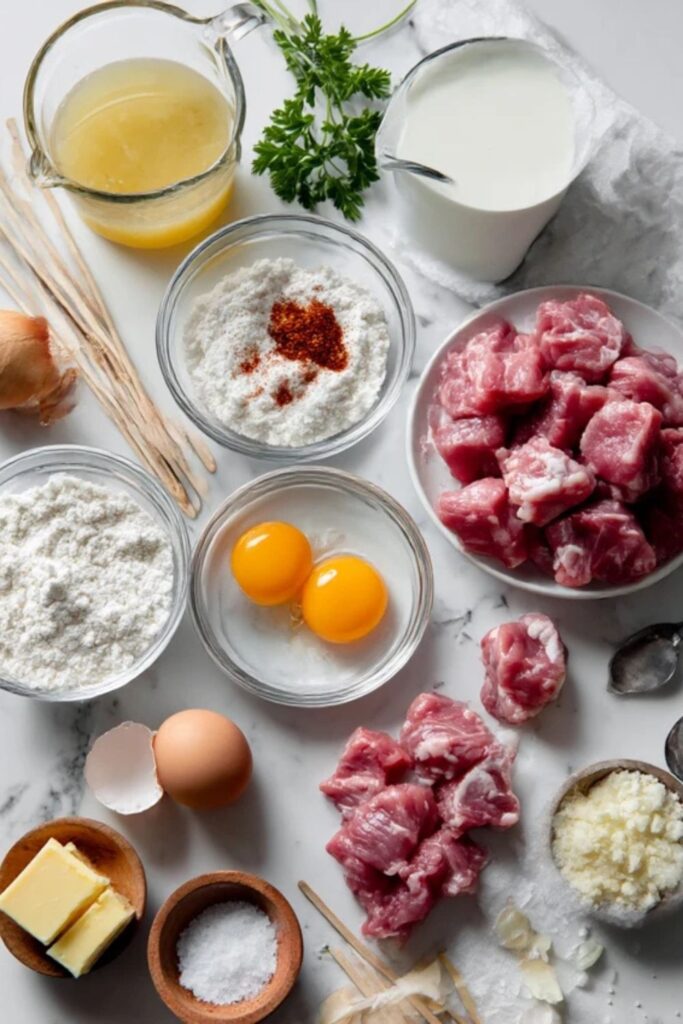
For the Meat
- 1 lb (455g) pork loin, cut into 1 inch cubes
- 1 lb (455g) veal stew meat, cut into 1 inch cubes
- 1 tsp (6g) kosher salt
- 1/2 tsp (1g) black pepper
- 12 wooden skewers, about 6 inches long
For the Coating
- 1 cup (125g) all-purpose flour
- 2 large eggs
- 2 tbsp (30ml) whole milk
- 2 cups (240g) fine breadcrumbs
- 1/2 tsp (1g) paprika
- 1/2 cup (120ml) vegetable oil, for frying
For the Gravy
- 3 tbsp (42g) butter
- 1 medium yellow onion, finely diced
- 2 cups (480ml) beef broth
- 1/2 cup (120ml) heavy cream
- 2 tbsp (8g) fresh parsley, chopped
How To Make Pioneer Woman City Chicken Recipe
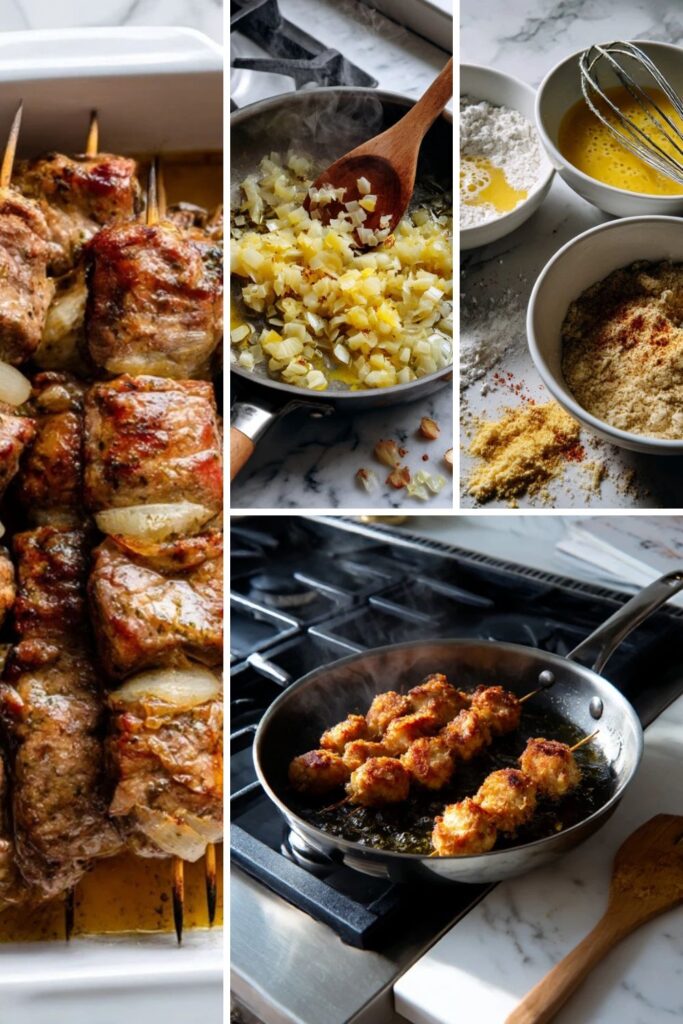
1. Prep the meat: Thread the pork and veal cubes onto the wooden skewers, alternating between the two meats. Aim for about four or five pieces per stick, leaving enough room at the bottom to use as a handle.
2. Set up the breading station: Place the flour in one shallow bowl and the breadcrumbs mixed with paprika in another. In a third bowl, whisk the eggs and milk together until the yellow and white parts are fully combined.
3. Coat the skewers: Roll each meat skewer in the flour until it’s completely white, then dip it into the egg wash. Finally, press it firmly into the breadcrumbs to ensure the coating sticks to every side of the meat.
4. Brown the meat: Heat the vegetable oil in a large skillet over medium-high heat until it shimmers. Fry the skewers in batches for about 2 or 3 minutes per side until they’re deep golden brown all over.
Don’t worry about cooking the meat through at this stage. You just want a hard, crunchy exterior that won’t fall apart when you add the liquid later.
5. Sauté the onions: Remove the skewers from the pan and pour off most of the oil, then melt the butter in the same skillet. Toss in the diced onions and cook them for about 5 minutes until they’re soft and see-through.
6. Start the gravy: Pour the beef broth into the skillet and use a wooden spoon to scrape up the bits from the bottom of the pan. Let it simmer for a couple of minutes to let the flavors merge.
7. Arrange and bake: Place the browned skewers into a large baking dish and pour the onion and broth mixture over the top. Cover the dish tightly with foil and bake at 350°F (175°C) for about 45 minutes.
8. Finish the sauce: Lift the skewers out of the dish and set them on a plate, then pour the leftover cooking liquid back into a saucepan. Stir in the heavy cream and parsley, simmering for a few minutes until the sauce thickens enough to coat a spoon.
If the gravy seems too thin, let it bubble for an extra minute or two. The cream needs that little bit of heat to give the sauce its final velvety body.
9. Serve the dish: Put the skewers back into the sauce to coat them or just pour the gravy right over the meat on individual plates. Serve them while they’re still steaming hot.
Recipe Tips
1. Soak your skewers. Put your wooden sticks in a bowl of water for at least 30 minutes before you start threading the meat. This stops the wood from splintering or burning while the meat browns in the hot oil.
2. Chill the breaded meat. If you have time, put the breaded skewers in the fridge for 20 minutes before frying. This helps the crumbs set so the coating doesn’t slide off into the oil when you flip them.
3. Keep the cubes small. Try to cut the pork and veal into even 1 inch pieces so they finish cooking at the same time. If some chunks are massive and others are tiny, the small ones will get tough before the big ones are safe to eat.
4. Use a neutral oil. Stick with vegetable or canola oil for the frying stage because they can handle the high heat. Olive oil has a lower smoke point and might start smoking and smelling bitter before the meat is properly browned.
5. Make it ahead. You can thread and bread the skewers the night before and keep them covered in the fridge. Just wait to do the frying and baking until you’re ready to eat so the crust stays as crisp as possible.
6. Check the temperature. Use a meat thermometer to make sure the pork reaches 145°F (63°C) before you take the dish out of the oven. Since the meat is covered in breading and gravy, you can’t really tell if it’s done just by looking at the color.
What To Serve With City Chicken
A big pile of buttery mashed potatoes is the best way to catch all that extra gravy. Some steamed green beans or roasted carrots add a nice bit of color to the plate and keep the meal from feeling too heavy.
If you want something a bit different, try a crisp side salad with a sharp vinaigrette. A warm dinner roll is also great for mopping up every last drop of the cream sauce once the meat is gone.
How To Store City Chicken
Fridge: Put the leftover skewers and gravy in an airtight container once they’ve cooled down. They’ll stay fresh and tasty in the refrigerator for up to three days.
Reheat: The best way to warm these up is in the oven at 350°F (175°C) covered with foil so they don’t dry out. You can use a microwave for a minute or two if you’re in a rush, but the breading will lose its crunch and get a bit soft.
Freeze: These freeze quite well in a sealed freezer bag for about two months. Just make sure to thaw them in the fridge overnight before you try to reheat them so the meat stays tender.
Pioneer Woman City Chicken Recipe Nutrition Facts
Per serving (1 of 6):
- Calories: 540 kcal
- Protein: 38g
- Fat: 32g
- Carbohydrates: 24g
- Sugar: 3g
- Sodium: 890mg
FAQs
Why is it called Pioneer Woman City Chicken Recipe if there is no chicken?
This dish was created during the Depression when actual chicken was very expensive but pork and veal were cheap. Cooks shaped the meat to look like a drumstick so city families could feel like they were having a fancy Sunday bird.
Can I use only pork for this recipe?
Yes, you can use all pork loin if you can’t find veal at your local grocery store. The flavor will be slightly different, but the cooking times and the breading method stay exactly the same.
How do I stop the breading from falling off?
Make sure you pat the meat dry with a paper towel before you start the flouring process. If the meat is too wet, the flour turns into a slick paste that won’t let the egg or crumbs grab onto the surface.
Can I air fry the Pioneer Woman City Chicken Recipe instead of pan frying?
You can air fry the skewers at 375°F (190°C) for about 12 minutes, but you’ll miss out on the deep flavor that comes from browning them in the skillet. If you go this route, spray the breadcrumbs generously with oil so they don’t stay dry and dusty.
Is it possible to use chicken breast instead?
You can use chicken, but the meat might dry out during the 45-minute bake time in the oven. If you switch to chicken, reduce the baking time to about 25 minutes so the skewers stay juicy.

Try More Recipes:
- How Long To Bake Thin Sliced Chicken Breast At 350
- How Long To Bake Chicken Thighs At 400
- How Long To Bake Chicken Breast At 400
- How Long To Cook Chicken Wings At 400°F
- How Long to Bake Chicken Legs at 350°F

Pioneer Woman City Chicken Recipe
Description
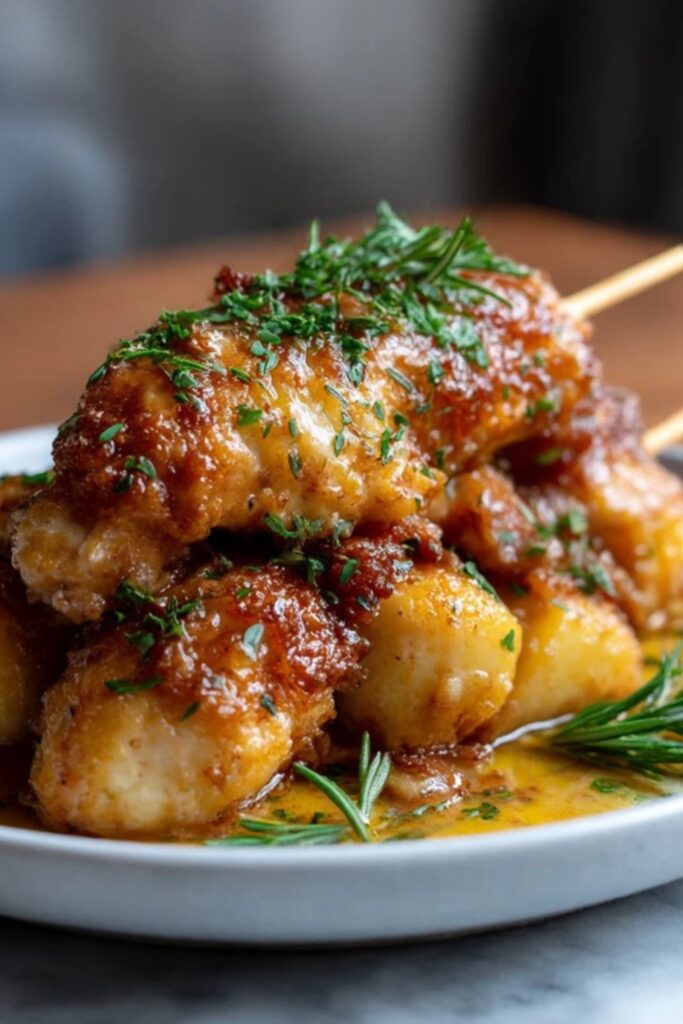
Pioneer Woman City Chicken Recipe is a classic American comfort food dinner. Cubed pork and veal are threaded onto skewers, coated in crispy breadcrumbs, and browned in a skillet before finishing in the oven with a savory gravy.
Ingredients
For the Meat
For the Coating
For the Gravy
Instructions
-
Prep the meat: Thread the pork and veal cubes onto the wooden skewers, alternating between the two meats. Aim for about four or five pieces per stick, leaving enough room at the bottom to use as a handle.
-
2. Set up the breading station: Place the flour in one shallow bowl and the breadcrumbs mixed with paprika in another. In a third bowl, whisk the eggs and milk together until the yellow and white parts are fully combined.
-
3. Coat the skewers: Roll each meat skewer in the flour until it’s completely white, then dip it into the egg wash. Finally, press it firmly into the breadcrumbs to ensure the coating sticks to every side of the meat.
-
4. Brown the meat: Heat the vegetable oil in a large skillet over medium-high heat until it shimmers. Fry the skewers in batches for about 2 or 3 minutes per side until they’re deep golden brown all over.
Don’t worry about cooking the meat through at this stage. You just want a hard, crunchy exterior that won’t fall apart when you add the liquid later.
-
5. Sauté the onions: Remove the skewers from the pan and pour off most of the oil, then melt the butter in the same skillet. Toss in the diced onions and cook them for about 5 minutes until they’re soft and see-through.
-
6. Start the gravy: Pour the beef broth into the skillet and use a wooden spoon to scrape up the bits from the bottom of the pan. Let it simmer for a couple of minutes to let the flavors merge.
-
7. Arrange and bake: Place the browned skewers into a large baking dish and pour the onion and broth mixture over the top. Cover the dish tightly with foil and bake at 350°F (175°C) for about 45 minutes.
-
8. Finish the sauce: Lift the skewers out of the dish and set them on a plate, then pour the leftover cooking liquid back into a saucepan. Stir in the heavy cream and parsley, simmering for a few minutes until the sauce thickens enough to coat a spoon.
If the gravy seems too thin, let it bubble for an extra minute or two. The cream needs that little bit of heat to give the sauce its final velvety body.
- 9. Serve the dish: Put the skewers back into the sauce to coat them or just pour the gravy right over the meat on individual plates. Serve them while they’re still steaming hot.