 Mohamed Shili
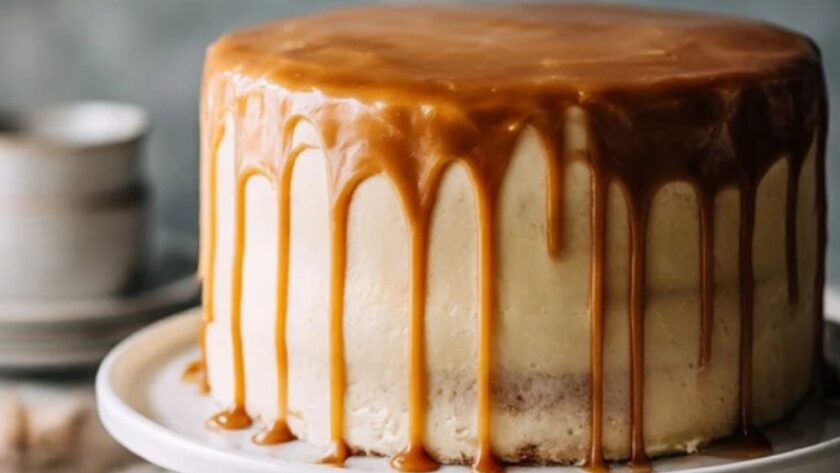
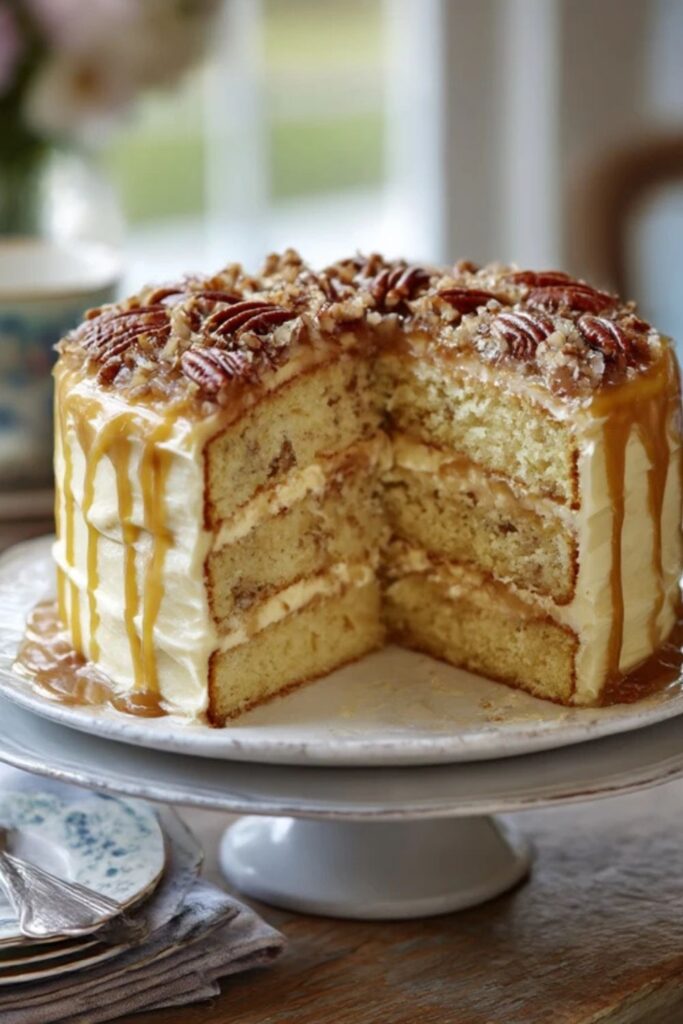
 Paula Deen Caramel Cake Recipe is a Southern dessert that layers yellow cake with a cooked icing made from brown sugar and butter. This treat features a thick, fudge-like topping that sets quickly over the golden layers.
The first time I made this, I didn’t realize how fast the caramel icing sets once it leaves the heat. Now I always make sure the cake layers are completely cold and sitting on the counter before I even touch the saucepan. If you wait until the icing is done to find your offset spatula, you’ll end up with a lumpy, jagged mess instead of a smooth finish.
Ina Garten’s approach to cake often uses oil, but Paula sticks to a massive amount of butter for that specific crumb that can hold up under heavy icing. The buttermilk in the batter is what keeps it from being too sweet, giving a tiny bit of tang that balances the sugar. It’s the kind of cake that makes people go quiet when they take the first bite at a potluck.
Paula Deen Caramel Cake Recipe Ingredients
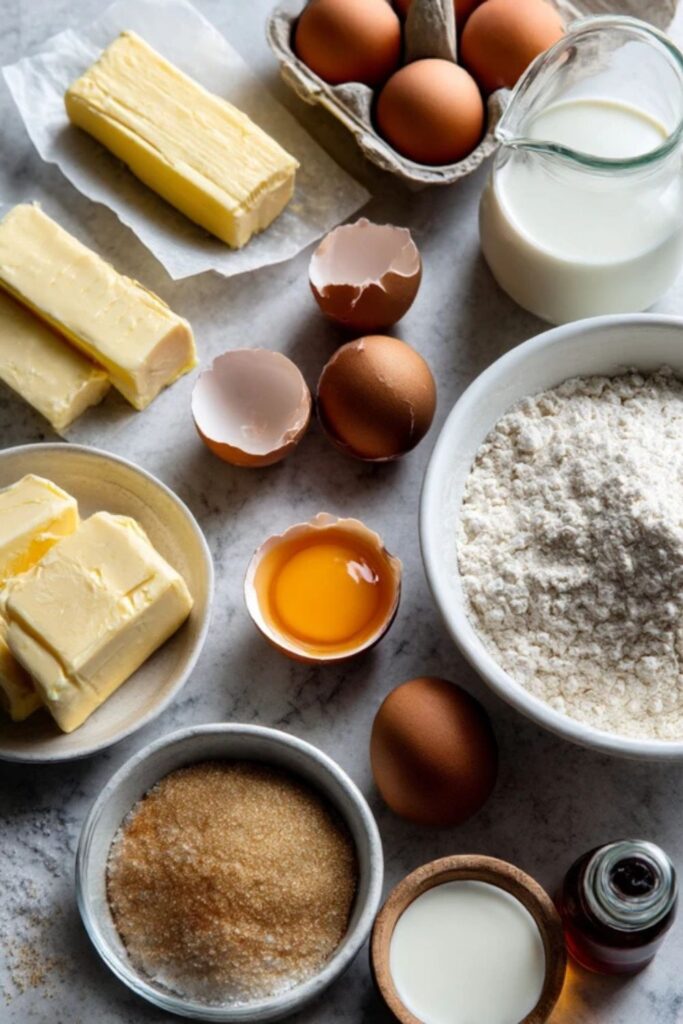
For the Cake
- 1 cup (225g) unsalted butter, softened
- 2 cups (400g) granulated sugar
- 4 large eggs
- 3 cups (360g) sifted self-rising flour
- 1 cup (240ml) buttermilk
- 2 teaspoons (10ml) vanilla extract
For the Caramel Icing
- 1 cup (225g) unsalted butter
- 2 cups (400g) packed light brown sugar
- 1/2 cup (120ml) evaporated milk
- 1 teaspoon (5ml) vanilla extract
- 1/4 teaspoon (1.5g) salt
How To Make Paula Deen Caramel Cake Recipe
- 1. Prep the oven and pans: Set your oven to 175°C (350°F) and grease three 9-inch round cake pans. Line the bottoms with parchment paper and dust the sides with a little flour so the layers pop out easily later.
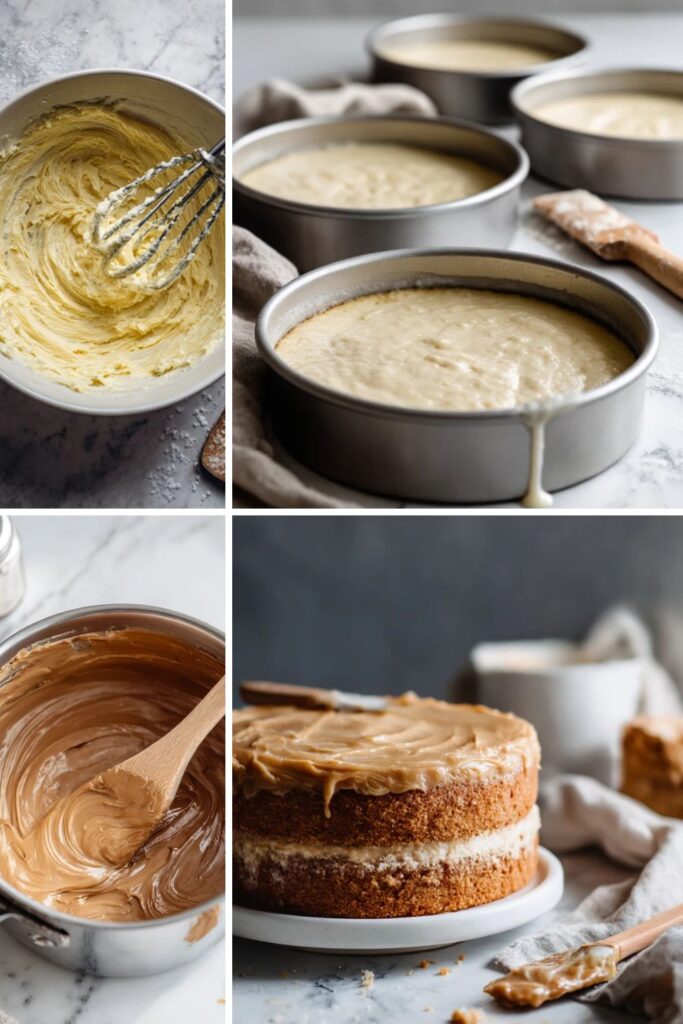
- 2. Cream the butter and sugar: Beat the softened butter and granulated sugar in a large bowl until the mixture looks pale and fluffy. This usually takes about 5 minutes on medium-high speed with an electric mixer.
- 3. Add the eggs: Drop the eggs in one at a time, beating well after each addition to keep the batter smooth. Scrape down the sides of the bowl often so everything gets mixed in evenly.
- 4. Combine the dry and wet ingredients: Alternate adding the flour and buttermilk to the butter mixture, starting and ending with the flour. Mix on low speed just until you don’t see any more white streaks of flour.
- 5. Bake the layers: Divide the batter equally between the three prepared pans and bake for 25 to 30 minutes. A toothpick stuck in the center should come out clean when they’re ready.
- 6. Cool the cakes: Let the layers sit in their pans for 10 minutes before turning them out onto wire racks. They need to be stone cold before you start the icing, or the caramel will just slide right off the sides.
- 7. Melt the icing base: Combine the butter, brown sugar, and evaporated milk in a heavy-bottomed saucepan over medium heat. Stir it constantly until the butter melts and the sugar dissolves into a smooth liquid.
- 8. Boil the caramel: Bring the mixture to a boil and let it bubble for exactly 3 minutes without stirring. This timing is what allows the sugar to reach the right stage so it sets up like fudge rather than staying runny.
- 9. Finish the icing: Remove the pan from the heat and stir in the vanilla and salt. Let it cool for about 5 minutes, then beat it with a wooden spoon or hand mixer until it thickens and loses its glossy shine.
- If the icing gets too stiff while you’re working, just put it back on very low heat for 30 seconds to loosen it up. It should be thick enough to spread but still thin enough to flow slightly over the edges.
- 10. Assemble the cake: Place one layer on a plate and spread a thin coating of icing over the top. Repeat with the second and third layers, then pour the remaining caramel over the top and let it run down the sides.
Recipe Tips
- Check your flour type. This recipe uses self-rising flour which already has baking powder and salt mixed in. If you only have all-purpose, you’ll need to add 1.5 teaspoons of baking powder and 0.5 teaspoons of salt for every cup of flour to get the right lift.
- Use a heavy saucepan. A thin pot will create hot spots that burn the sugar before the rest of the icing reaches a boil. A thick-bottomed pan spreads the heat better so the caramel cooks evenly without turning bitter.
- Sift the flour twice. Even though self-rising flour is usually fine, sifting it ensures there are no clumps of leavening agent hiding in your batter. It makes the cake texture much lighter and prevents those weird yellow spots that appear when baking powder isn’t mixed well.
- Watch the icing color. The caramel should be the shade of a brown paper bag when it’s done boiling. If it looks too pale, it won’t set, but if it gets too dark, it’ll taste scorched and turn brittle once it cools on the cake.
- Keep it in a cool spot. Because this icing is essentially a soft candy, it reacts to the temperature in your kitchen. If your house is very warm, the caramel might stay soft, so move the finished cake to a cooler room to help it firm up.
- Grease the pan thoroughly. Don’t just swipe a bit of butter around; make sure every inch of the pan is covered. These layers are moist and can be sticky, so the parchment paper on the bottom is a safety net you shouldn’t skip.
What To Serve With Caramel Cake
A big scoop of vanilla bean ice cream or a dollop of unsweetened whipped cream helps balance the sugar. The cake is very dense and sweet, so a neutral topping makes it easier to eat a full slice.
Fresh raspberries or tart blackberries provide a nice sharp flavor against the buttery caramel. If you’re serving this for a party, a pot of hot Earl Grey tea or a dark roast coffee works well to cut through the richness.
How To Store Caramel Cake
- Fridge: Wrap the cake tightly in plastic wrap or put it in a dome-style carrier. It stays fresh for up to 5 days, though the icing might pick up a slight crunch from the sugar over time.
- Reheat: The best way to eat a leftover slice is at room temperature so the butter in the cake softens up. If you’re in a hurry, 10 seconds in the microwave will make the caramel slightly gooey again without melting the whole thing.
- Freeze: You can freeze individual slices by wrapping them in foil and then placing them in a freezer bag for up to 2 months. Thaw them overnight in the fridge before eating to keep the icing from sweating too much.
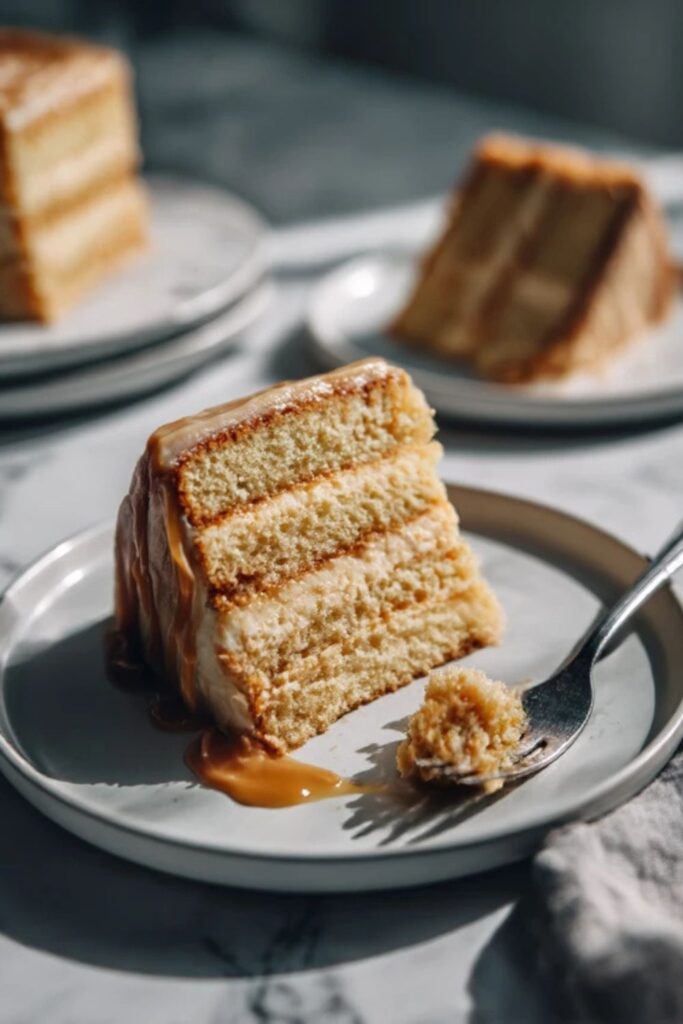
Paula Deen Caramel Cake Recipe Nutrition Facts
- Calories: 640 kcal
- Protein: 6g
- Fat: 32g
- Carbohydrates: 84g
- Sugar: 62g
- Sodium: 410mg
FAQs
Why did my icing turn out grainy?
Sugar crystals can form if you stir the icing too much while it’s boiling. To prevent this, make sure the sugar is fully dissolved before the mixture starts bubbling and then leave it alone until the timer goes off.
Can I use dark brown sugar in this Paula Deen Caramel Cake Recipe?
Yes, you can use dark brown sugar, but it’ll give the icing a much stronger molasses flavor and a darker color. Light brown sugar is the traditional choice because it lets the butter flavor shine through more clearly.
Can I make this in a 9×13 inch pan instead?
Yes, you can bake the batter in a single rectangular pan for about 35 to 40 minutes. You’ll only need to ice the top, so you might have a little leftover caramel icing which is great drizzled over apples.
How do I know when the icing is thick enough to spread?
The icing is ready when it starts to look matte instead of shiny and holds its shape when you lift the spoon. If you spread it while it’s still glossy, it’ll just run off the cake and pool at the bottom of the plate.
My cake layers are domed, should I trim them?
Yes, use a serrated knife to level the tops of the cold cakes before you start stacking them. Level layers make the cake more stable and prevent the heavy caramel icing from causing the whole thing to slide sideways.
Check out More Recipes:
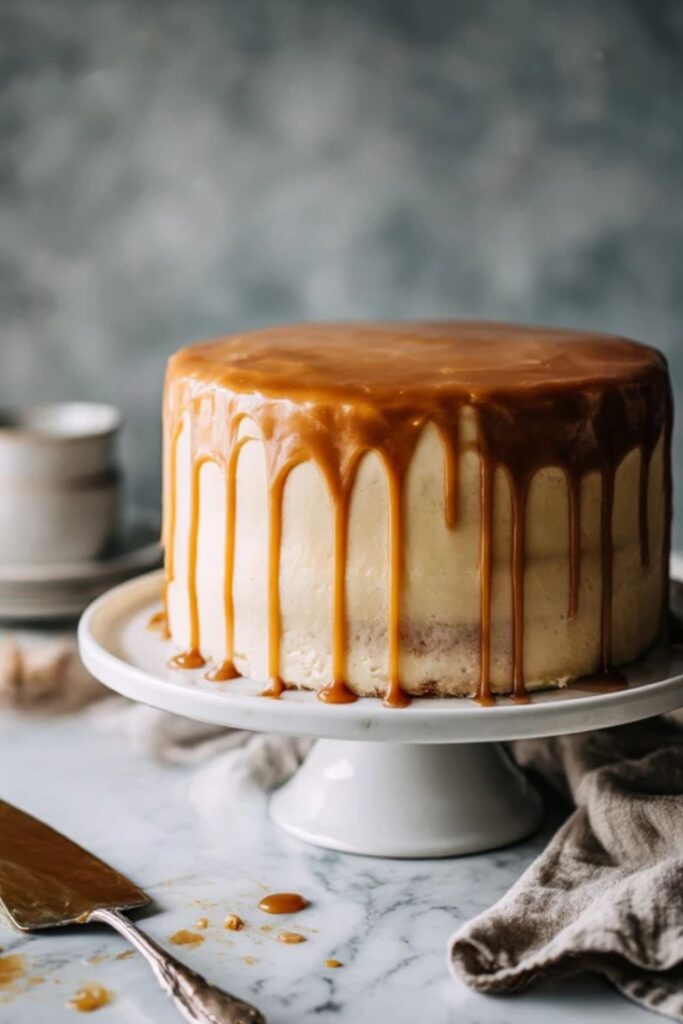

Paula Deen Caramel Cake Recipe
Description
Paula Deen Caramel Cake Recipe is a Southern dessert that layers yellow cake with a cooked icing made from brown sugar and butter. This treat features a thick, fudge-like topping that sets quickly over the golden layers.
Ingredients
For the Cake
For the Caramel Icing
Instructions
-
Prep the oven and pans: Set your oven to 175°C (350°F) and grease three 9-inch round cake pans. Line the bottoms with parchment paper and dust the sides with a little flour so the layers pop out easily later.
-
2. Cream the butter and sugar: Beat the softened butter and granulated sugar in a large bowl until the mixture looks pale and fluffy. This usually takes about 5 minutes on medium-high speed with an electric mixer.
-
3. Add the eggs: Drop the eggs in one at a time, beating well after each addition to keep the batter smooth. Scrape down the sides of the bowl often so everything gets mixed in evenly.
-
4. Combine the dry and wet ingredients: Alternate adding the flour and buttermilk to the butter mixture, starting and ending with the flour. Mix on low speed just until you don’t see any more white streaks of flour.
-
5. Bake the layers: Divide the batter equally between the three prepared pans and bake for 25 to 30 minutes. A toothpick stuck in the center should come out clean when they’re ready.
-
6. Cool the cakes: Let the layers sit in their pans for 10 minutes before turning them out onto wire racks. They need to be stone cold before you start the icing, or the caramel will just slide right off the sides.
-
7. Melt the icing base: Combine the butter, brown sugar, and evaporated milk in a heavy-bottomed saucepan over medium heat. Stir it constantly until the butter melts and the sugar dissolves into a smooth liquid.
-
8. Boil the caramel: Bring the mixture to a boil and let it bubble for exactly 3 minutes without stirring. This timing is what allows the sugar to reach the right stage so it sets up like fudge rather than staying runny.
-
9. Finish the icing: Remove the pan from the heat and stir in the vanilla and salt. Let it cool for about 5 minutes, then beat it with a wooden spoon or hand mixer until it thickens and loses its glossy shine.
If the icing gets too stiff while you’re working, just put it back on very low heat for 30 seconds to loosen it up. It should be thick enough to spread but still thin enough to flow slightly over the edges.
- 10. Assemble the cake: Place one layer on a plate and spread a thin coating of icing over the top. Repeat with the second and third layers, then pour the remaining caramel over the top and let it run down the sides.
