 Mohamed Shili
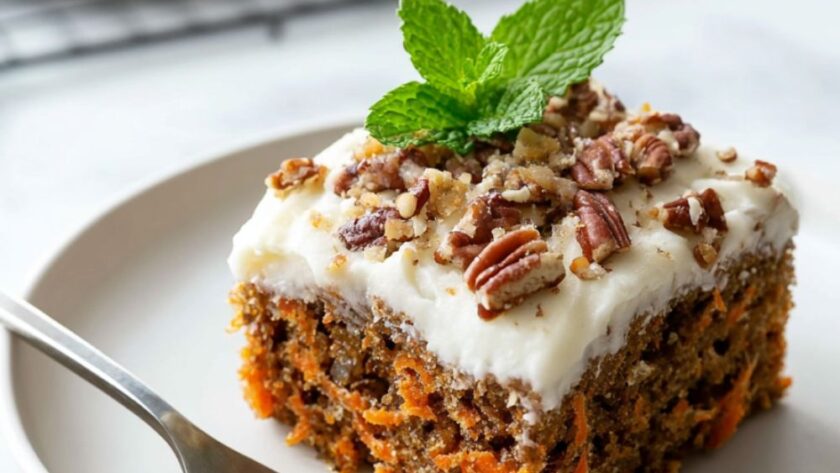
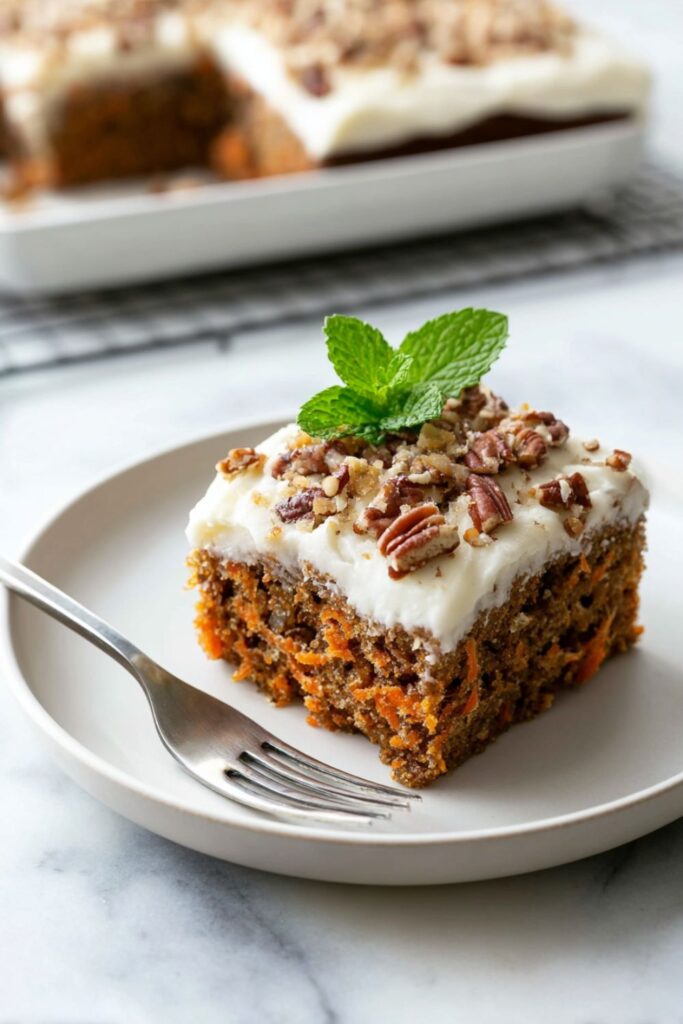
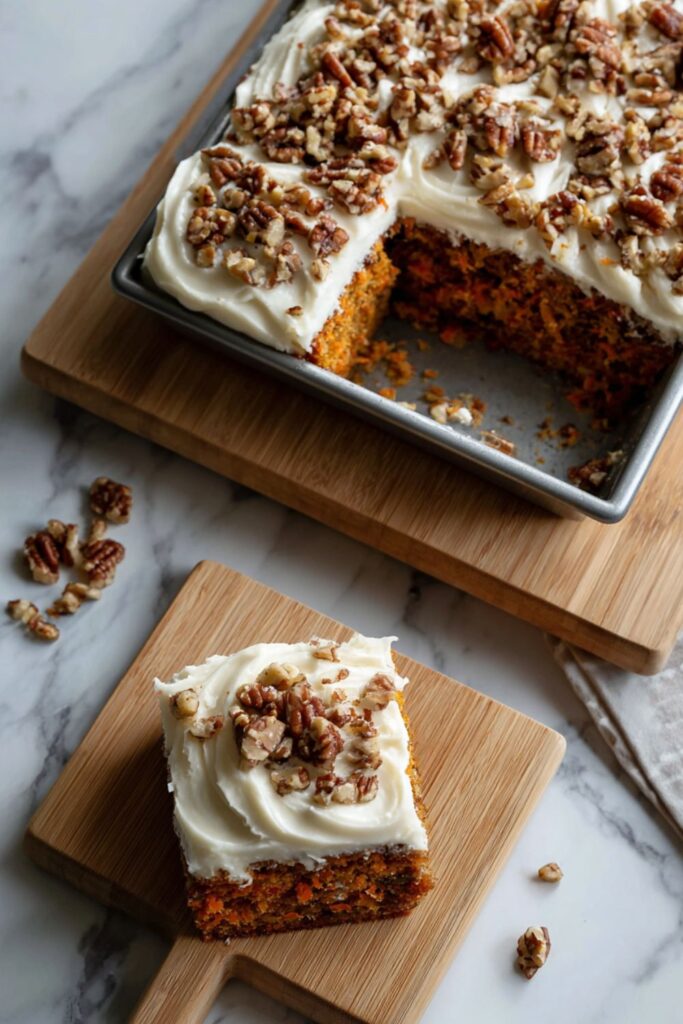
 Julia Child Carrot Cake is a classic American dessert. This dense, moist sponge is packed with grated carrots, warm cinnamon, and toasted pecans, then finished with a heavy layer of tangy cream cheese frosting.
The first time I made this, I used pre-shredded carrots from a bag and the cake turned out incredibly dry. Now I always grate whole carrots by hand using the fine holes on a box grater. That’s the difference between a sponge that’s naturally hydrated by the vegetable juices and one that feels like eating sawdust.
Julia Child’s approach here relies on the vegetable oil to keep the crumb soft even after it’s been in the fridge. Most recipes that use butter will turn quite hard when cold, but this version stays tender and springy. I’ve brought this to dozens of family gatherings because it’s sturdy enough to travel in the pan but tastes like a professional bakery made it.
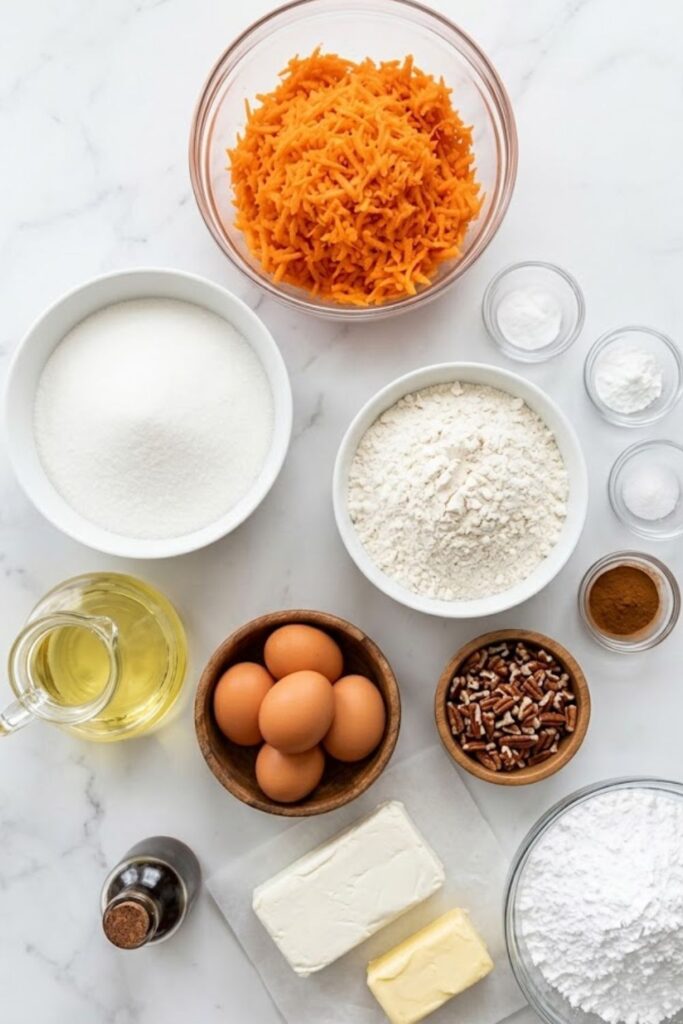
Julia Child Carrot Cake Ingredients
For the Cake:
- 2 cups (400g) granulated sugar
- 1 1/4 cups (300ml) vegetable oil
- 4 large eggs, at room temperature
- 2 teaspoons vanilla extract
- 2 cups (240g) all-purpose flour
- 2 teaspoons baking soda
- 2 teaspoons baking powder
- 2 teaspoons ground cinnamon
- 1/2 teaspoon salt
- 3 cups (about 330g) finely grated carrots
- 1 cup (110g) chopped pecans
For the Frosting:
- 1/2 cup (115g) butter, softened
- 8 ounces (225g) cream cheese, softened
- 4 cups (480g) powdered sugar
- 1 teaspoon vanilla extract
- 1 cup (110g) chopped pecans
How To Make Julia Child Carrot Cake
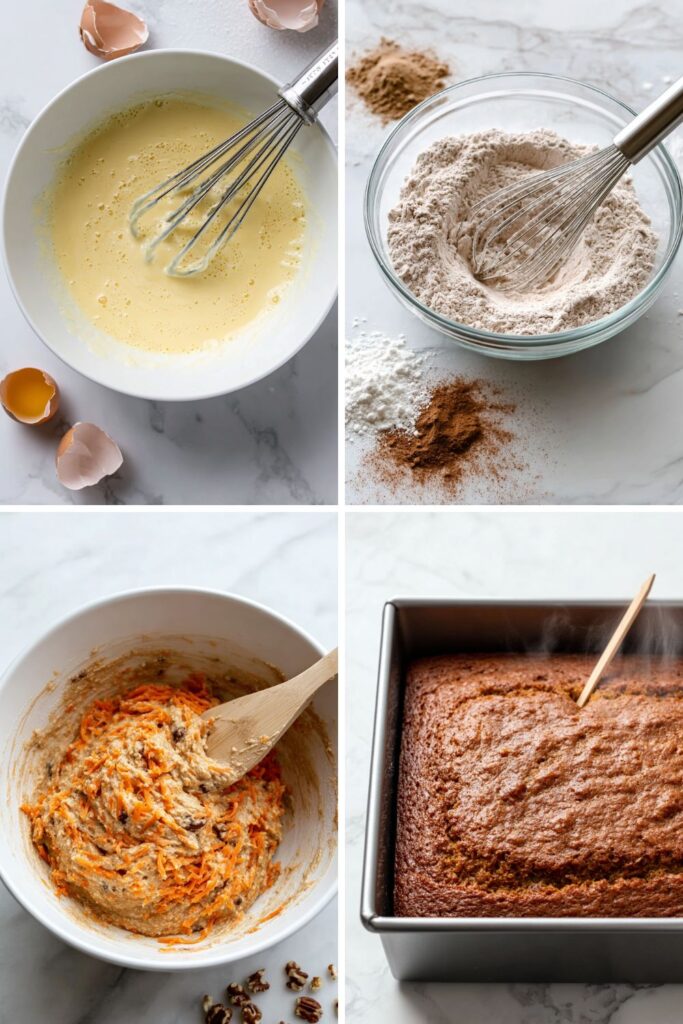
- 1. Prep the pan and oven: Set your oven to 175°C (350°F) and move the rack to the middle. Grease a 9×13-inch baking pan with a bit of oil or butter, then dust it with flour and tap out the extra to make sure the cake releases easily.
- 2. Mix the wet base: Combine the sugar, vegetable oil, eggs, and vanilla in a large bowl. Beat the mixture with an electric mixer for a few minutes until it’s pale and completely smooth, which helps create a stable emulsion for the heavy carrots to sit in.
- 3. Combine dry ingredients: Whisk the flour, baking soda, baking powder, cinnamon, and salt in a separate container to break up any clumps. This step is vital because you don’t want to find a bitter pocket of baking soda in the middle of your sweet cake.
- 4. Fold the batter: Stir the dry mixture into the wet ingredients until you can’t see any white streaks, then gently mix in the grated carrots and pecans. Stop as soon as the carrots are spread evenly so you don’t develop too much gluten and make the cake chewy.
- 5. Bake the sponge: Pour the thick batter into your pan and bake for about 40 minutes. Stick a toothpick into the center; if it comes out clean or with just a couple of dry crumbs, pull the cake out immediately so it stays moist.
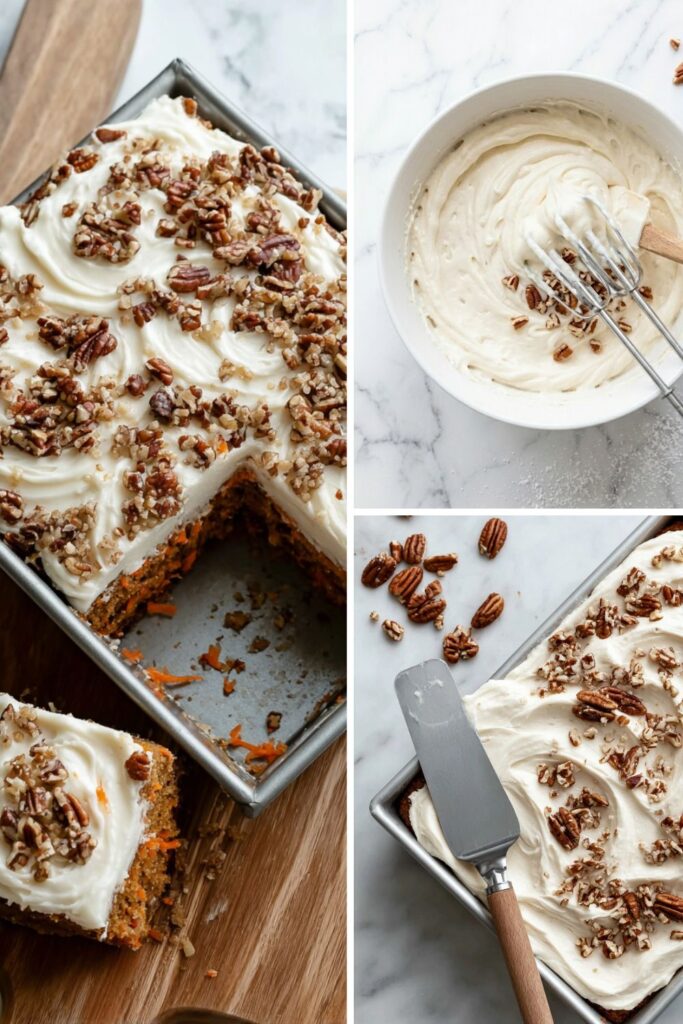
- 6. Cool before frosting: Let the cake sit in the pan for 10 minutes, then flip it onto a wire rack. You must let the cake reach room temperature before you even think about adding the frosting, or the butter and cheese will melt into a greasy soup.
- 7. Whip the frosting: Beat the softened butter and cream cheese together until they’re fluffy, then slowly add the powdered sugar and vanilla. Once it’s smooth, stir in the pecans and spread a thick, even layer across the top of the cooled cake.
Recipe Tips
- Toast the pecans first: Put the nuts in a dry pan over medium heat for about 5 minutes until they smell fragrant before you chop them. This simple step brings out the natural oils and adds a much deeper flavor to both the cake and the frosting.
- Use full-fat cream cheese: The “light” or spreadable versions in tubs have too much water and will make your frosting runny. The solid bricks of cream cheese provide the structural weight needed to hold up the heavy powdered sugar.
- Blot your carrots: If your grated carrots look very wet, press them lightly with a paper towel. You want the moisture they provide, but if they’re literally dripping, they can throw off the liquid balance and make the center of the cake sink.
- Measure the oil carefully: Since this recipe doesn’t use butter in the batter, the vegetable oil is the only source of fat and moisture. Using even a little too much can make the bottom of the cake feel oily and heavy instead of light and soft.
- Sift the powdered sugar: Even if it looks fine in the bag, powdered sugar often has tiny, hard lumps that won’t disappear when you beat the frosting. Sifting it through a mesh strainer ensures the topping is as smooth as silk.
- Keep an eye on the cinnamon: Make sure your spices are fresh; if your cinnamon has been in the cupboard for years, it will lose its punch. Fresh cinnamon is what gives this cake its warm, autumnal smell that fills the whole house while it bakes.
What To Serve With Carrot Cake
A cold glass of milk or a strong cup of black coffee is the traditional pairing for a slice of this. The bitterness of the coffee helps cut through the very sweet and tangy cream cheese frosting.
If you want a more elaborate dessert, a small scoop of ginger ice cream or a drizzle of warm caramel sauce works beautifully. The spicy notes in the ginger complement the cinnamon and carrots perfectly.
How To Store Carrot Cake
- Fridge: Because of the cream cheese in the frosting, you must store this cake in the refrigerator. Put it in an airtight container or cover the pan tightly with plastic wrap to keep it from picking up other smells for up to 5 days.
- Reheat: This cake is actually best eaten slightly chilled or at room temperature. If you want to take the chill off, let a slice sit on the counter for about 20 minutes, but never put it in the microwave or the frosting will melt away.
- Freeze: You can freeze the unfrosted cake layers for up to 3 months if they’re wrapped well in foil. If the cake is already frosted, flash-freeze the slices on a tray for an hour before wrapping them so the icing doesn’t get smashed.
Julia Child Carrot Cake Nutrition Facts
Per serving (1 of 12):
- Calories: 620 kcal
- Protein: 6g
- Fat: 38g
- Carbohydrates: 68g
- Sugar: 52g
- Sodium: 340mg
FAQs
Why is my Julia Child Carrot Cake dense?
This usually happens if you over-mixed the batter once the flour was added or if your baking soda is old. Only stir until the ingredients are just combined to keep the air bubbles intact so the cake stays light.
Can I use walnuts instead of pecans in my Julia Child Carrot Cake?
Yes, walnuts are a great substitute and provide a similar crunch. Just make sure to toast them first to remove any of the bitter skin taste that raw walnuts can sometimes have.
How do I stop the frosting from being too runny?
Make sure your butter and cream cheese are soft but not meltingly hot. If the frosting feels too loose, put the bowl in the fridge for fifteen minutes to firm up the fats before you try to spread it.
Can I make this Julia Child Carrot Cake in a round pan?
Yes, you can split the batter between two 9-inch round pans. You’ll need to reduce the baking time to about 25 to 30 minutes, and it makes a beautiful layered cake for a special occasion.
Do I have to use vegetable oil in my Julia Child Carrot Cake?
Oil is used because it stays liquid at room temperature, which gives the cake a much moister mouthfeel than butter. You can use any neutral-tasting oil like canola or grapeseed, but avoid olive oil as the flavor is too strong.
Try More Recipes:

Julia Child Carrot Cake
Description
This classic Julia Child Carrot Cake is a masterclass in achieving a perfectly moist, tender crumb without being heavy or oily. Packed with freshly grated carrots, warm cinnamon, and toasted pecans, the warmly spiced sponge is perfectly balanced by a thick, tangy, and decadent cream cheese frosting. It is a quintessential, crowd-pleasing dessert that manages to be both rustic and incredibly elegant.
Ingredients
For the Cake:
For the Frosting:
Instructions
- Prep the pan and oven: Set your oven to 175°C (350°F) and move the rack to the middle. Grease a 9×13-inch baking pan with a bit of oil or butter, then dust it with flour and tap out the extra to make sure the cake releases easily.
- Mix the wet base: Combine the sugar, vegetable oil, eggs, and vanilla in a large bowl. Beat the mixture with an electric mixer for a few minutes until it’s pale and completely smooth, which helps create a stable emulsion for the heavy carrots to sit in.
- Combine dry ingredients: Whisk the flour, baking soda, baking powder, cinnamon, and salt in a separate container to break up any clumps. This step is vital because you don’t want to find a bitter pocket of baking soda in the middle of your sweet cake.
- Fold the batter: Stir the dry mixture into the wet ingredients until you can’t see any white streaks, then gently mix in the grated carrots and pecans. Stop as soon as the carrots are spread evenly so you don’t develop too much gluten and make the cake chewy.
- Bake the sponge: Pour the thick batter into your pan and bake for about 40 minutes. Stick a toothpick into the center; if it comes out clean or with just a couple of dry crumbs, pull the cake out immediately so it stays moist.
- Cool before frosting: Let the cake sit in the pan for 10 minutes, then flip it onto a wire rack. You must let the cake reach room temperature before you even think about adding the frosting, or the butter and cheese will melt into a greasy soup.
- Whip the frosting: Beat the softened butter and cream cheese together until they’re fluffy, then slowly add the powdered sugar and vanilla. Once it’s smooth, stir in the pecans and spread a thick, even layer across the top of the cooled cake.
Notes
-
Toast the pecans first: Put the nuts in a dry pan over medium heat for about 5 minutes until they smell fragrant before you chop them. This simple step brings out the natural oils and adds a much deeper flavor to both the cake and the frosting.
Use full-fat cream cheese: The “light” or spreadable versions in tubs have too much water and will make your frosting runny. The solid bricks of cream cheese provide the structural weight needed to hold up the heavy powdered sugar.
Blot your carrots: If your grated carrots look very wet, press them lightly with a paper towel. You want the moisture they provide, but if they’re literally dripping, they can throw off the liquid balance and make the center of the cake sink.
Measure the oil carefully: Since this recipe doesn’t use butter in the batter, the vegetable oil is the only source of fat and moisture. Using even a little too much can make the bottom of the cake feel oily and heavy instead of light and soft.
Sift the powdered sugar: Even if it looks fine in the bag, powdered sugar often has tiny, hard lumps that won’t disappear when you beat the frosting. Sifting it through a mesh strainer ensures the topping is as smooth as silk.
Keep an eye on the cinnamon: Make sure your spices are fresh; if your cinnamon has been in the cupboard for years, it will lose its punch. Fresh cinnamon is what gives this cake its warm, autumnal smell that fills the whole house while it bakes.
