 Mohamed Shili
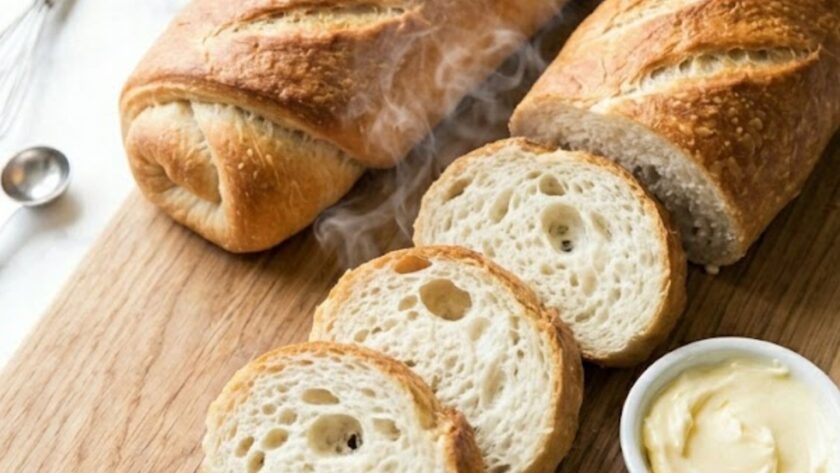
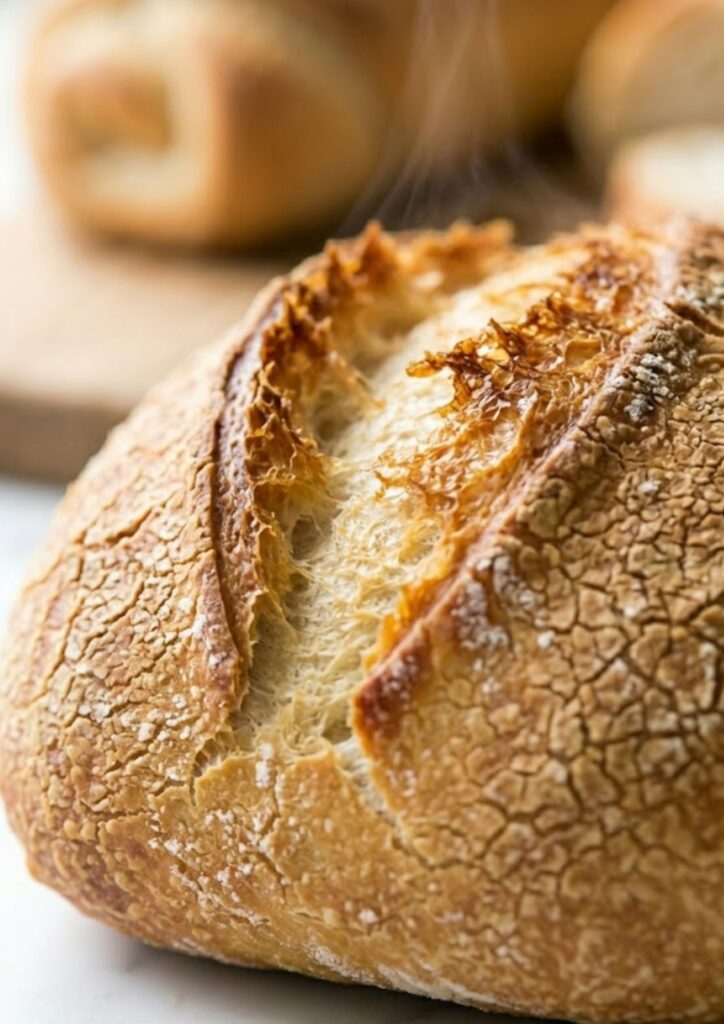
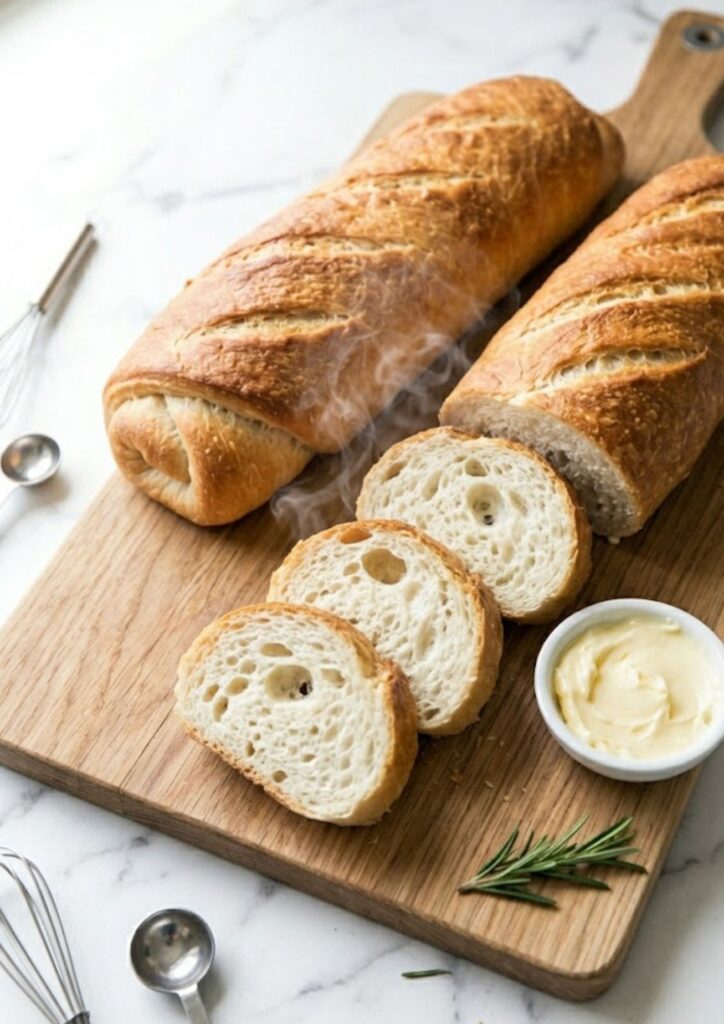
 Joanna Gaines French Bread is a approachable, foolproof recipe for anyone intimidated by yeast. Unlike a traditional baguette that requires days of fermentation, this version is designed for the home cook, resulting in a soft, golden loaf with a tight crumb that’s perfect for slicing, dipping in olive oil, or making the ultimate French toast.
The first time I made this, I added all the flour at once and ended up with a brick. Now, I always add the final few cups gradually. The flour amount changes depending on the humidity in your kitchen—that’s the difference between a light, airy loaf and a dense, heavy one.
If you do nothing else, use a kitchen scale for the flour. Measuring by volume (cups) can vary by up to 20% depending on how packed the flour is. Weighing it out at 130g per cup ensures your dough has the perfect hydration every single time.
Joanna Gaines French Bread Ingredients
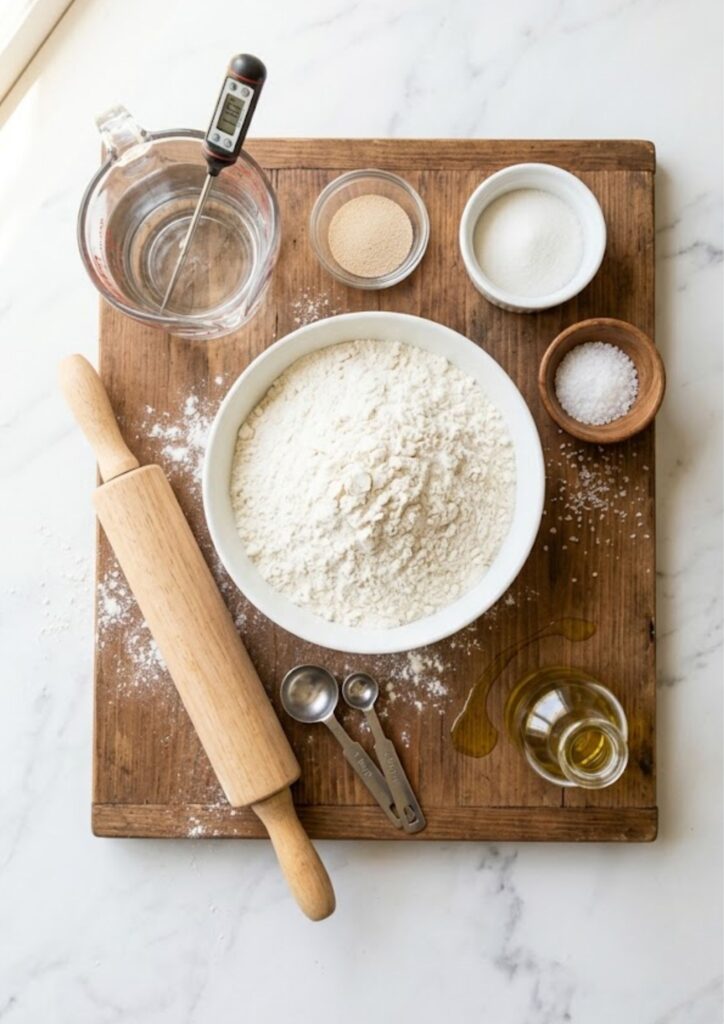
- 2 1/4 cups (530ml) warm water ($110\text{–}115^\circ\text{F}$)
- 2 tbsp (25g) granulated sugar
- 1 tbsp (9g) instant or active dry yeast
- 2 1/4 tsp (13g) salt
- 2 tbsp (30ml) oil (olive, canola, or vegetable)
- 5 1/2 – 6 cups (715 – 780g) all-purpose or bread flour
How To Make Joanna Gaines French Bread
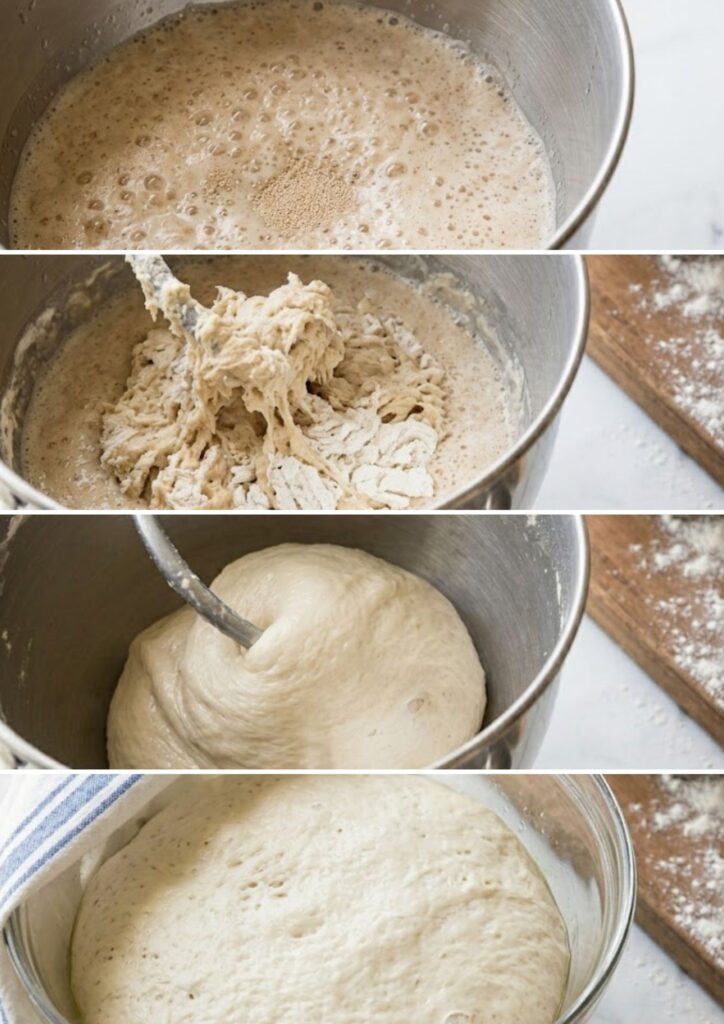
- 1. Bloom the Yeast: In a stand mixer bowl, combine warm water, sugar, and yeast. If using active dry, let it sit for 5 minutes until foamy. Instant yeast can proceed immediately.
- 2. Create the Base: Add the salt, oil, and the first 3 cups (390g) of flour. Mix with the dough hook until combined into a thick batter.
- 3. Develop the Dough: Gradually add the remaining 2 1/2 to 3 cups of flour. Stop adding once the dough clears the sides of the bowl and forms a soft, tacky (but not sticky) ball.
- 4. Knead: Let the mixer knead the dough for 2–3 minutes until smooth and elastic.
- 5. First Rise: Place dough in a greased bowl, cover with a damp cloth, and let it rise in a warm spot until doubled in size (about 1 hour).
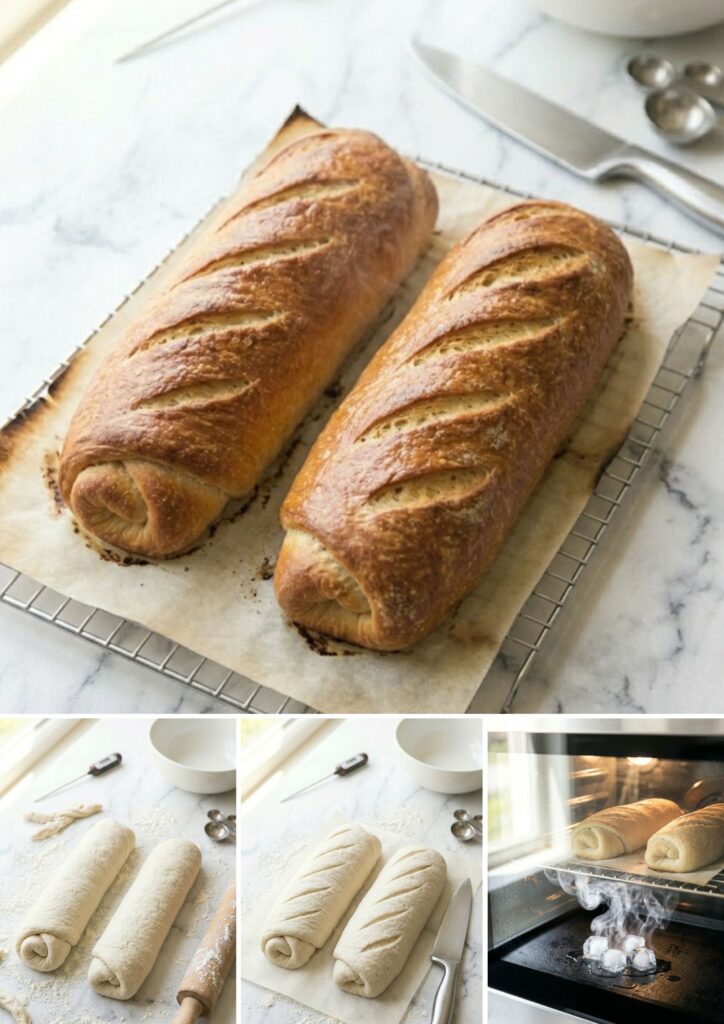
- 6. Shape: Punch down the dough and divide in two. Roll each half into a rectangle, then roll tightly from the long side like a sleeping bag. Pinch the seams shut.
- 7. Score and Second Rise: Place loaves seam-side down on parchment. Slash the tops diagonally with a sharp knife. Cover and let rise again for 1 hour until puffy.
- 8. Bake: Preheat oven to 190°C (375°F). Bake for 25–30 minutes. For a professional crust, toss 3–4 ice cubes onto the oven floor right after sliding the bread in.
Recipe Tips
- Check the water temp: If the water is over 120°F, it will kill the yeast; if it’s under 100°F, the yeast won’t activate. Use a thermometer to be safe.
- The “Windowpane” Test: To see if you’ve kneaded enough, pull a small piece of dough apart. It should stretch thin enough to see light through it without tearing.
- Steam is your friend: The ice cube trick creates steam, which keeps the crust soft initially so the bread can expand fully, resulting in a crispier, shinier finish.
- Bread flour vs. All-purpose: Bread flour has more protein, which gives the loaf a chewier, more “authentic” French bread texture. All-purpose will result in a softer, sandwich-style loaf.
What To Serve With Joanna Gaines French Bread
- Hearty Soups & Stews: This bread is the gold standard for soaking up broths. Serve it with tomato basil soup, beef stew, or a creamy potato soup. The dense crumb of the bread holds up beautifully to being dunked.
- Large Garden Salads: If you’re serving a big, crisp salad (like a Caesar or a Greek salad), a few thick slices of this bread with butter or olive oil turn a simple salad into a complete, satisfying meal.

Storage & Reheating Guide
- Room Temp: Store in a paper bag for 2 days. Avoid plastic bags if you want to keep the crust crunchy, as plastic traps moisture and makes it soft.
- Freezer: Slice the loaf first, then freeze in a zip-top bag for up to 3 months.
- Oven Reheat: To revive a day-old loaf, mist it lightly with water and pop it in a 350°F (175°C) oven for 5–8 minutes. It will taste brand new!
Joanna Gaines French Bread Nutrition Facts
Per serving (estimated for 16 servings):
| Nutrient | Amount |
| Calories | 165 kcal |
| Protein | 5g |
| Fat | 2g |
| Carbohydrates | 31g |
| Sugar | 1g |
| Sodium | 330mg |
FAQs
Why didn’t my bread rise?
The most common culprits are expired yeast or water that was too hot. Always check the “Best By” date on your yeast packet!
Can I make the dough by hand?
Absolutely. Instead of a mixer, stir with a wooden spoon until it’s too thick, then knead on a floured surface for about 8–10 minutes until smooth.
Why is my crust so hard?
You likely overbaked it or didn’t use the ice cube trick. For a softer crust, brush the loaf with melted butter immediately after taking it out of the oven.
Check out More Recipes:

Joanna Gaines French Bread
Description
Joanna Gaines’ French Bread is a staple from the Magnolia Table philosophy—simple, rustic, and designed for sharing. Unlike traditional sourdough which requires days of preparation, this recipe is accessible for home bakers, producing a reliable, golden loaf with a soft crumb and a crackly crust. The use of a small amount of oil and sugar keeps the interior tender, making it just as suitable for a dinner side as it is for morning French toast. It is the quintessential “house bread” that fills the kitchen with a bakery-quality aroma.
Ingredients
Instructions
- Bloom the Yeast: In a stand mixer bowl, combine warm water, sugar, and yeast. If using active dry, let it sit for 5 minutes until foamy. Instant yeast can proceed immediately.
- Create the Base: Add the salt, oil, and the first 3 cups (390g) of flour. Mix with the dough hook until combined into a thick batter.
- Develop the Dough: Gradually add the remaining 2 1/2 to 3 cups of flour. Stop adding once the dough clears the sides of the bowl and forms a soft, tacky (but not sticky) ball.
- Knead: Let the mixer knead the dough for 2–3 minutes until smooth and elastic.
- First Rise: Place dough in a greased bowl, cover with a damp cloth, and let it rise in a warm spot until doubled in size (about 1 hour).
- Shape: Punch down the dough and divide in two. Roll each half into a rectangle, then roll tightly from the long side like a sleeping bag. Pinch the seams shut.
- Score and Second Rise: Place loaves seam-side down on parchment. Slash the tops diagonally with a sharp knife. Cover and let rise again for 1 hour until puffy.
- Bake: Preheat oven to 190°C (375°F). Bake for 25–30 minutes. For a professional crust, toss 3–4 ice cubes onto the oven floor right after sliding the bread in.
Notes
-
Check the water temp: If the water is over 120°F, it will kill the yeast; if it’s under 100°F, the yeast won’t activate. Use a thermometer to be safe.
The “Windowpane” Test: To see if you’ve kneaded enough, pull a small piece of dough apart. It should stretch thin enough to see light through it without tearing.
Steam is your friend: The ice cube trick creates steam, which keeps the crust soft initially so the bread can expand fully, resulting in a crispier, shinier finish.
Bread flour vs. All-purpose: Bread flour has more protein, which gives the loaf a chewier, more “authentic” French bread texture. All-purpose will result in a softer, sandwich-style loaf.
