
 Imen
Imen Ina Garten Blini are a classic French-style appetizer made with nutty buckwheat flour and tangy buttermilk. These tiny pancakes are topped with chilled sour cream, fresh chives, salty caviar, or lemon jam for an elegant party snack.
If you do nothing else, make sure you whip those egg whites until they’re actually stiff. That’s the difference between a flat, rubbery disc and a cloud-like blini that holds its shape under heavy toppings. The first time I tried this, I got lazy with the whisking and the batter turned into a thin puddle that wouldn’t rise at all in the pan.
The buckwheat flour is doing more work than you’d think here. Without it, these just taste like standard breakfast pancakes, but that specific flour gives them a dark, earthy flavor that pairs perfectly with salty toppings. I’ve found that letting the batter sit for ten minutes after mixing also helps the texture stay light and airy. It’s my favorite way to make a gathering feel like a fancy event without spending the whole night in the kitchen.
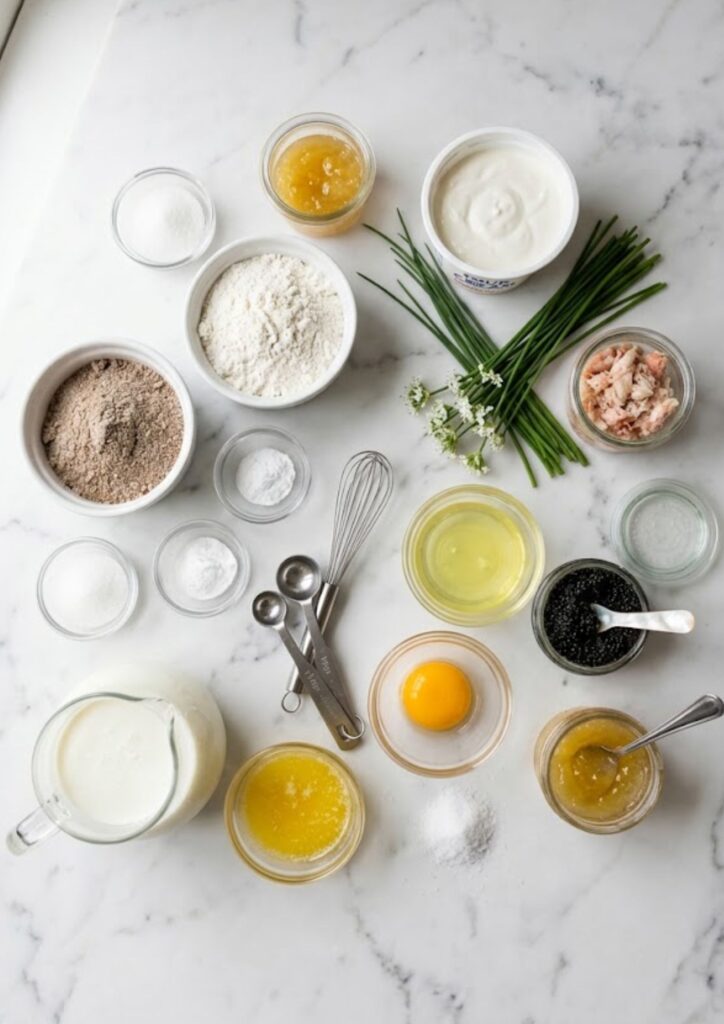
Ina Garten Blini Ingredients
- 50g buckwheat flour
- 25g all-purpose flour
- 1/2 teaspoon baking powder
- 1/2 teaspoon caster sugar
- 1 pinch baking soda
- 200ml buttermilk
- 20g butter, melted
- 1 large egg, separated
- 1 pinch salt
- Butter, for frying
For the Toppings:
- 100g sour cream
- 1 bunch fresh chives, chopped
- 50g crab meat or caviar
- 2 tablespoons lemon jam
How To Make Ina Garten Blini
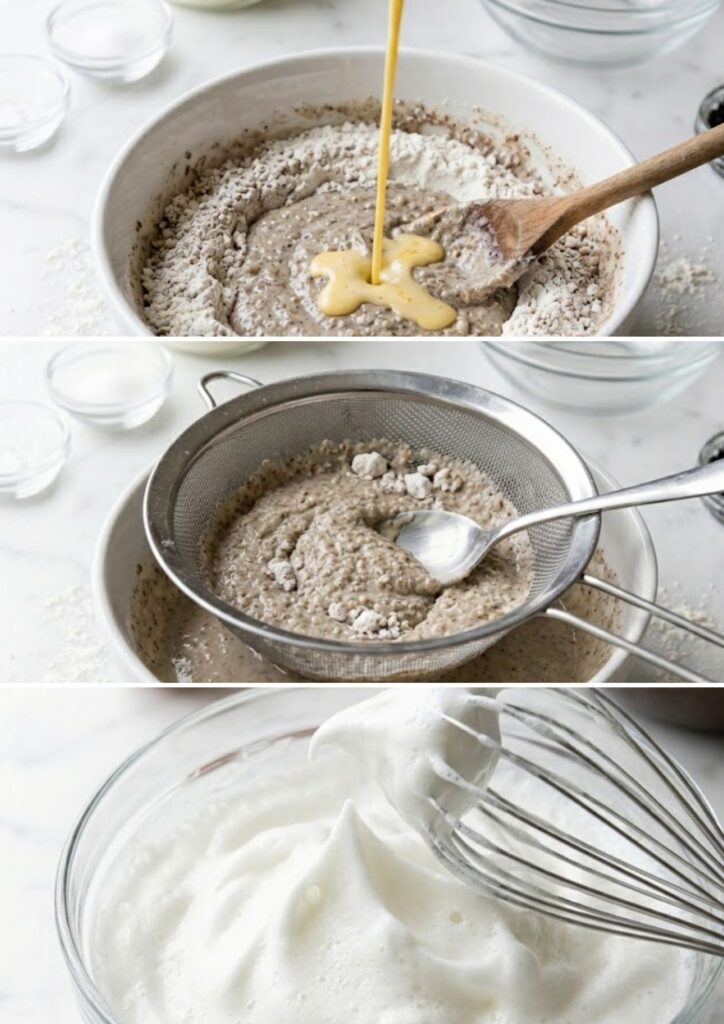
- 1. Combine dry ingredients: Whisk the buckwheat flour, all-purpose flour, baking powder, sugar, and baking soda together in a medium bowl. Make sure the dark buckwheat is spread evenly through the white flour so you don’t get patchy spots in your batter.
- 2. Mix wet ingredients: Whisk the buttermilk, melted butter, and egg yolk together in a jug until the yellow yolk is fully broken up. Pour this liquid into the dry bowl and stir with a spoon until everything is wet and mostly smooth.
- 3. Strain batter: Pour the mixture through a fine mesh sieve into a clean bowl to remove any stubborn lumps of flour. This extra step ensures every blini has a professional, silky texture that won’t feel grainy when you eat it.
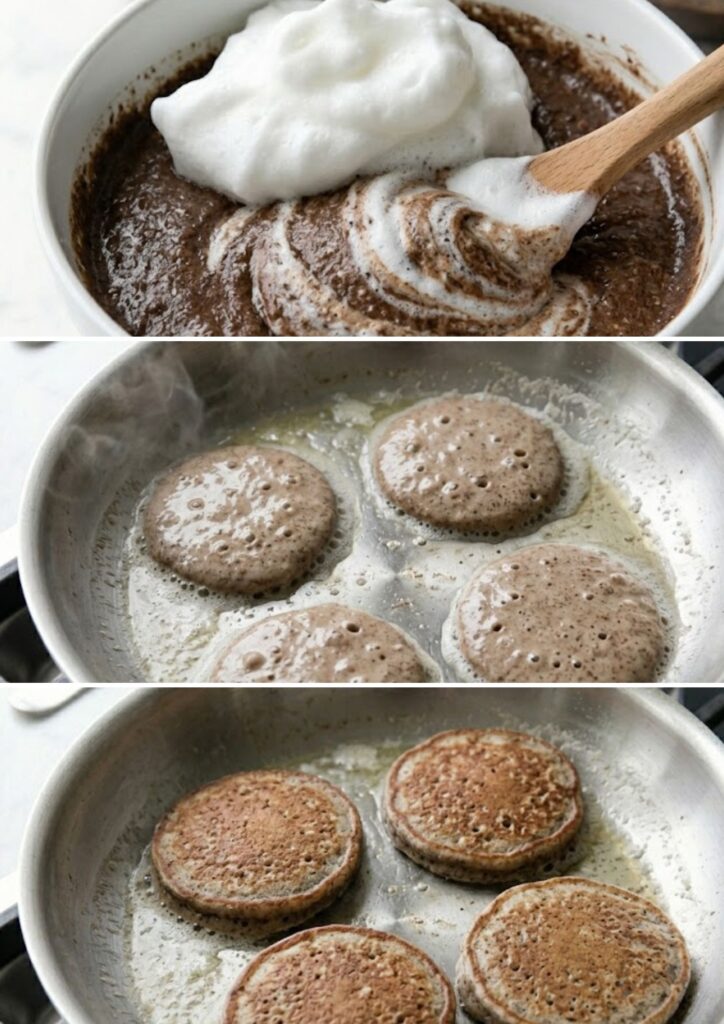
- 4. Whip egg whites: Put the egg white and a pinch of salt into a clean glass bowl and beat them until stiff peaks form. Gently mix this foam into the main batter using a spatula, lifting from the bottom to keep the air inside.
Don’t use a whisk or a heavy hand for this part. If you knock the air out of the egg whites, the batter will lose its volume and the finished blinis will be dense instead of fluffy.
- 5. Cook the blinis: Heat a little butter in a large skillet over medium heat, then turn it down to low-medium. Spoon 2-inch rounds of batter into the pan and cook for about 1 minute until small bubbles pop on the surface.
- 6. Flip and finish: Turn the blinis over once the edges look set and dry. Cook for another 30 to 45 seconds until both sides are golden brown and the middle feels springy when you touch it.
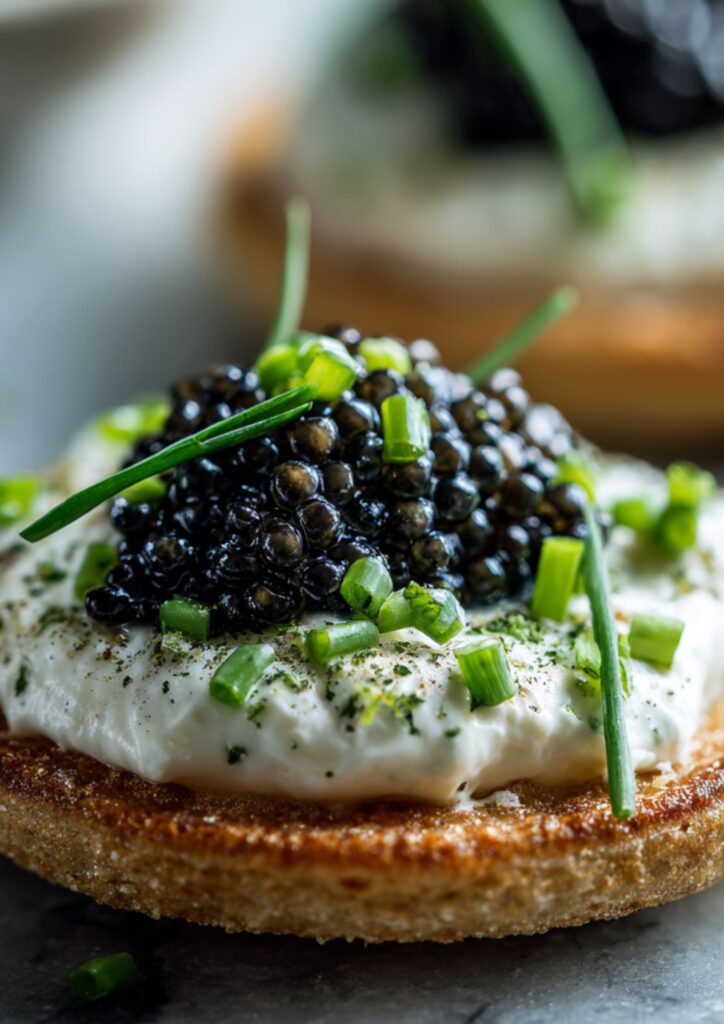
- 7. Serve warm: Move the hot blinis to a plate and add your toppings immediately while the base is still slightly warm. Use a small dollop of sour cream followed by the chives and your choice of crab, caviar, or lemon jam.
Recipe Tips
- Keep the pan heat low: Buckwheat flour browns much faster than white flour because of its protein content. If your burner is too high, the outside will scorch and turn bitter before the middle has a chance to set properly.
- Use a clean bowl for whites: Even a tiny drop of egg yolk or grease in the bowl will stop the egg whites from stiffening up. Wash your whisk and bowl with hot soapy water and dry them thoroughly before you start beating the whites.
- Small batches are better: Don’t try to crowd the skillet with ten blinis at once. Cooking four or five at a time gives you enough room to get the spatula underneath for a clean flip without smushing the edges.
- Wipe the pan between rounds: Leftover butter in the skillet will start to brown and smoke after a few minutes. Use a folded paper towel to quickly wipe the pan clean before adding a fresh bit of butter for the next batch.
- Let the melted butter cool: If you pour hot butter into the cold buttermilk and egg yolk, it can clump up or even start to cook the yolk. Let it sit on the counter for a few minutes so it’s liquid but not steaming when you add it.
- Measure the batter: Use a tablespoon to drop the batter into the pan so every blini is exactly the same size. Having a uniform look makes them much easier to arrange on a serving platter for guests.
What To Serve With Ina Garten Blini
A cold glass of dry champagne or a crisp white wine works best with these salty snacks. The bubbles help clear the heavy creaminess of the sour cream from your tongue between bites.
If you want a more substantial spread, serve them alongside smoked salmon, pickled red onions, or even some thin slices of cucumber. The crunch of the cucumber is a nice change from the soft texture of the buckwheat base.

Storing & Reheating Tips
- Fridge: Put the plain, untopped blinis in an airtight container with a piece of parchment paper between the layers. They’ll stay fresh in the fridge for up to 2 days, but don’t add the toppings until right before you eat.
- Freeze: You can freeze the cooked blinis in a freezer bag for up to one month. Lay them out on a tray to freeze individually first so they don’t stick together in a big clump inside the bag.
- Reheat: The best way to warm these up is in a 300°F (150°C) oven for about 5 minutes. This helps them regain their soft texture without making them soggy, which usually happens if you use a microwave.
Ina Garten Blini Nutrition Facts
Per serving (1 of 20):
- Calories: 45 kcal
- Protein: 2g
- Fat: 3g
- Carbohydrates: 4g
- Sugar: 1g
- Sodium: 85mg
FAQs
Can I make the batter for Ina Garten Blini ahead of time?
No, it’s best to cook them as soon as you mix in the egg whites because the air bubbles will start to pop. If the batter sits too long, the blinis will come out flat and heavy instead of light and airy.
What if I don’t have buckwheat flour?
You can use all-purpose flour, but the flavor will be much milder and the color will be pale. The buckwheat is what gives this specific recipe its traditional earthy taste and dark appearance.
Why are my blinis sticking to the pan?
This usually happens if the pan wasn’t hot enough when you added the batter or if you didn’t use enough butter. Make sure the butter is sizzling slightly before you drop the first spoonful of batter onto the surface.
Can I make Ina Garten Blini in a larger size?
Yes, you can make them bigger, but they’re traditionally served as bite-sized appetizers that can be eaten in one go. Larger ones might be harder to flip without breaking since the batter is very soft.
How do I stop the blinis from getting rubbery?
Don’t over-mix the batter after you add the flour, and make sure you don’t overcook them. Once they feel firm and look golden, take them out immediately so they stay tender and moist in the middle.
Try More Recipes:

Ina Garten Blini
Description
Ina Garten Blini are elegant, bite-sized buckwheat pancakes that serve as the gold standard for high-end hors d’oeuvres. This recipe utilizes a traditional technique of folding whipped egg whites into a buttermilk and buckwheat base to achieve a light, airy volume. By straining the batter for a silky finish and using a low-heat frying method, these blinis provide a sophisticated, nutty canvas for premium toppings like caviar, crab meat, or sour cream.
Ingredients
For the Toppings:
Instructions
- Combine dry ingredients: Whisk the buckwheat flour, all-purpose flour, baking powder, sugar, and baking soda together in a medium bowl. Make sure the dark buckwheat is spread evenly through the white flour so you don’t get patchy spots in your batter.
- Mix wet ingredients: Whisk the buttermilk, melted butter, and egg yolk together in a jug until the yellow yolk is fully broken up. Pour this liquid into the dry bowl and stir with a spoon until everything is wet and mostly smooth.
- Strain batter: Pour the mixture through a fine mesh sieve into a clean bowl to remove any stubborn lumps of flour. This extra step ensures every blini has a professional, silky texture that won’t feel grainy when you eat it.
- Whip egg whites: Put the egg white and a pinch of salt into a clean glass bowl and beat them until stiff peaks form. Gently mix this foam into the main batter using a spatula, lifting from the bottom to keep the air inside.
- Cook the blinis: Heat a little butter in a large skillet over medium heat, then turn it down to low-medium. Spoon 2-inch rounds of batter into the pan and cook for about 1 minute until small bubbles pop on the surface.
- Flip and finish: Turn the blinis over once the edges look set and dry. Cook for another 30 to 45 seconds until both sides are golden brown and the middle feels springy when you touch it.
- Serve warm: Move the hot blinis to a plate and add your toppings immediately while the base is still slightly warm. Use a small dollop of sour cream followed by the chives and your choice of crab, caviar, or lemon jam.
Don’t use a whisk or a heavy hand for this part. If you knock the air out of the egg whites, the batter will lose its volume and the finished blinis will be dense instead of fluffy.
Notes
-
Keep the pan heat low: Buckwheat flour browns much faster than white flour because of its protein content. If your burner is too high, the outside will scorch and turn bitter before the middle has a chance to set properly.
Use a clean bowl for whites: Even a tiny drop of egg yolk or grease in the bowl will stop the egg whites from stiffening up. Wash your whisk and bowl with hot soapy water and dry them thoroughly before you start beating the whites.
Small batches are better: Don’t try to crowd the skillet with ten blinis at once. Cooking four or five at a time gives you enough room to get the spatula underneath for a clean flip without smushing the edges.
Wipe the pan between rounds: Leftover butter in the skillet will start to brown and smoke after a few minutes. Use a folded paper towel to quickly wipe the pan clean before adding a fresh bit of butter for the next batch.
Let the melted butter cool: If you pour hot butter into the cold buttermilk and egg yolk, it can clump up or even start to cook the yolk. Let it sit on the counter for a few minutes so it’s liquid but not steaming when you add it.
Measure the batter: Use a tablespoon to drop the batter into the pan so every blini is exactly the same size. Having a uniform look makes them much easier to arrange on a serving platter for guests.
