 Imen
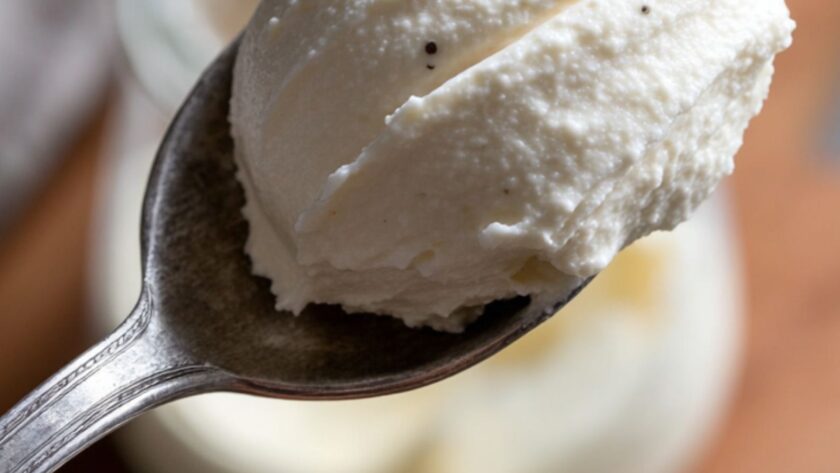
Imen Most American buttercreams are cloyingly sweet and gritty, but Alton Brown’s American Buttercream Recipe version is a scientific masterpiece of stability and texture. By using a combination of unsalted butter and shortening, he creates a frosting that stands up to heat while remaining silky.
The “secret sauce” here is the addition of buttermilk and sour cream. The acidity cuts right through the sugar, while the cold proteins in the dairy help emulsify the fats into a cloud-like consistency that is far more sophisticated than your average “butter and sugar” mix.
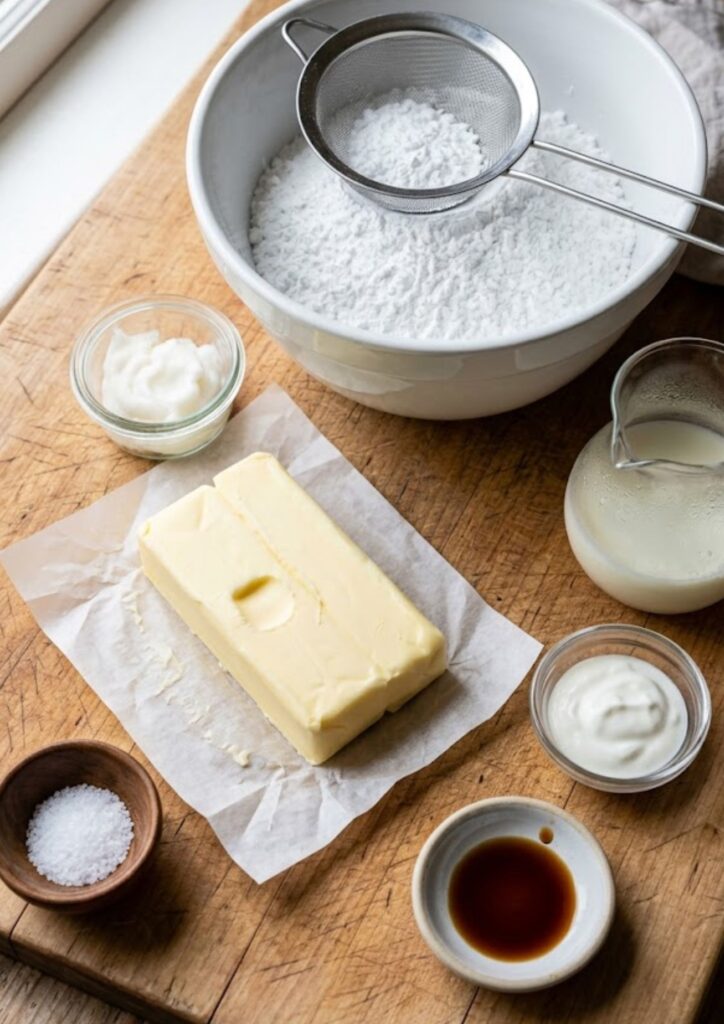
Alton Brown American Buttercream Ingredients
- 1/4 cup Low-fat buttermilk, cold
- 2 tbsp Full-fat sour cream, cold
- 18 tbsp (2 1/4 sticks) Unsalted butter, cool room temperature (65°F)
- 3 oz Unflavored shortening, room temperature
- 3 cups Confectioners’ sugar
- 1 tbsp Vanilla extract
- 3/4 tsp Kosher salt
How To Make Alton Brown American Buttercream
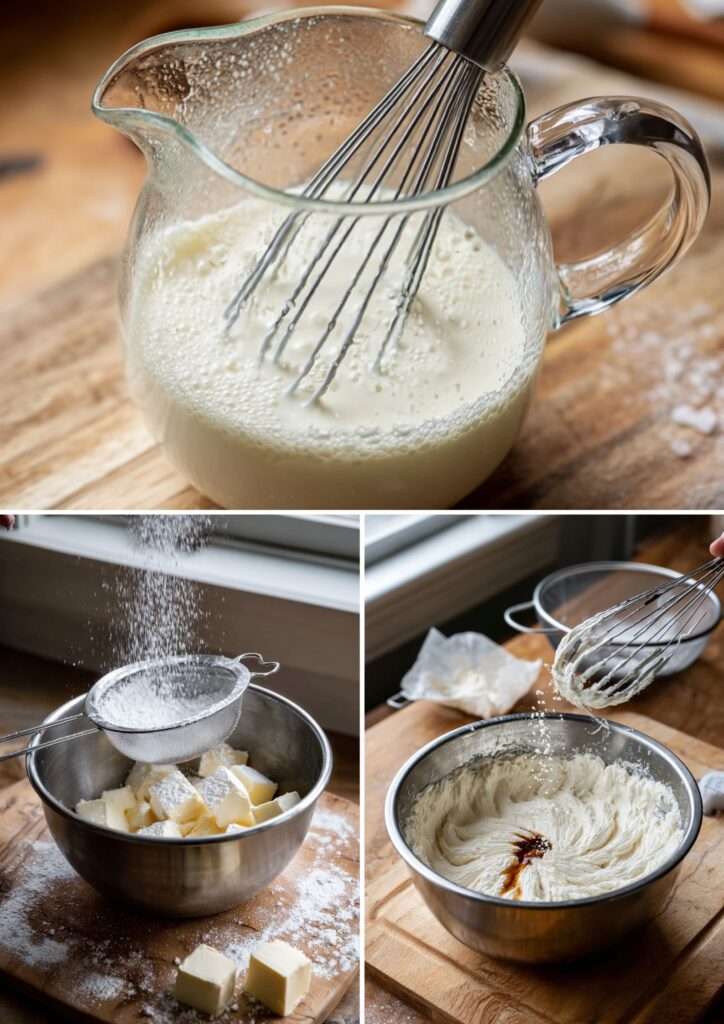
- The Acid Blend: Whisk the cold buttermilk and sour cream together. Keep this in the fridge until the very last step—it needs to be cold!
- The Base: Place the butter and shortening in a stand mixer. Sift the confectioners’ sugar directly into the bowl. Start on low speed until the sugar is tucked into the fat.
- The Aeration: Add vanilla and salt. Crank the speed to medium and beat for 5–6 minutes. This isn’t just mixing; you are building a physical structure of air.
- The Emulsion: Turn the mixer back to low and slowly pour in the chilled dairy mixture.
- The Smooth Finish: Scrape down the sides and bottom of the bowl. Beat on medium for a final 15 seconds to ensure it’s perfectly homogenous.
Recipe Tips for Success
- The 65°F Rule: Your butter should be “cool room temperature.” If it’s too soft (oily), the buttercream will collapse. If it’s too cold, it will be lumpy. It should yield slightly to a finger press but still feel cool.
- Sift Your Sugar: Even if your powdered sugar looks fine, sift it. This is the only way to guarantee a “no-grit” finish.
- Shortening Matters: Use a high-quality shortening (like Crisco). This provides the structural “backbone” that keeps the frosting from melting off your cake in a warm room.
- Don’t Over-beat at the End: Once you add the dairy, only mix for 15 seconds. Over-mixing at this stage can introduce too many air bubbles, making the frosting look “holey” when you try to smooth it on a cake.
What To Use Alton Brown American Buttercream On
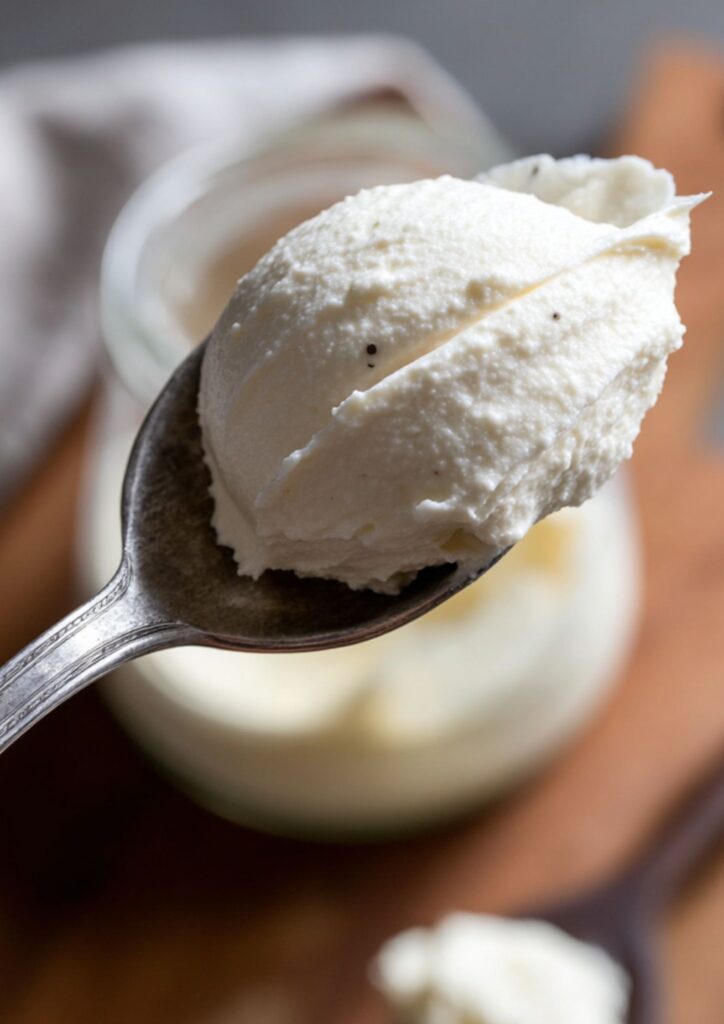
- Cakes: Ideal for a classic Yellow Cake or a deep Devil’s Food Cake.
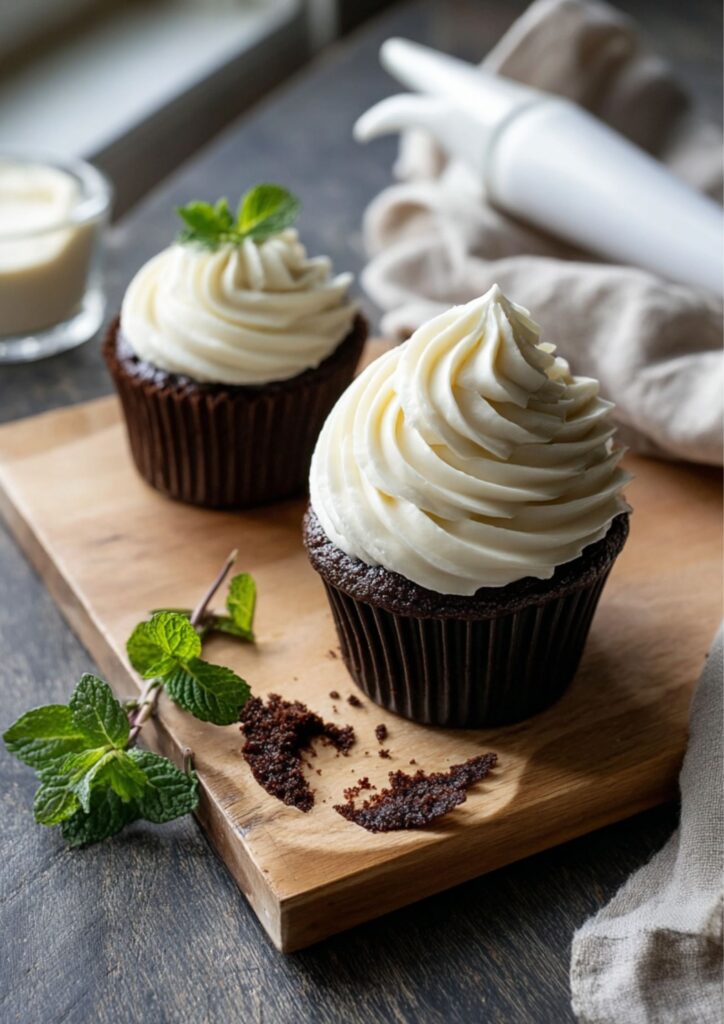
- Cupcakes: Its stability makes it perfect for high-definition piping (roses, stars, etc.).
- Fillings: Great as a sandwich stuffer for Whoopie Pies or Oatmeal Cream Pies.
Storing & Reheating Tips
- Storage: Store in an airtight container in the fridge for up to 2 weeks or freeze for 2 months.
- Reviving: After refrigerating, you must bring it back to room temperature and re-whip it in the mixer for 1–2 minutes to restore the airy texture.
- Note: Because it contains fresh buttermilk and sour cream, do not leave it out at room temperature for more than 24 hours.
Alton Brown American Buttercream Nutrition Facts
Based on approx 24 servings (2 tbsp each):
| Nutrient | Amount |
| Calories | 180 kcal |
| Protein | 0.5g |
| Fat | 13g |
| Carbohydrates | 16g |
| Sugar | 15g |
| Sodium | 75mg |
FAQs
Why low-fat buttermilk?
Alton specifically calls for low-fat because the protein-to-fat ratio helps stabilize the emulsion better than heavy cream would, while the tang balances the 3 cups of sugar.
Can I use a hand mixer?
You can, but be prepared to double your mixing time. A stand mixer with a paddle attachment is much more efficient at incorporating the air needed for the 5-minute “aeration” stage.
Is the shortening necessary?
Yes, shortening has a higher melting point than butter. It’s what gives this frosting “decorator” strength, allowing it to hold its shape for hours.
Try More Recipes:

Alton Brown American Buttercream Recipe
Description
Alton Brown American Buttercream is a scientifically structured frosting that balances the intense sweetness of confectioners’ sugar with a tangy, chilled dairy blend of buttermilk and sour cream. By combining cool room-temperature butter with shortening for structural stability, this recipe utilizes an extended aeration process to create a light, fluffy, and “no-grit” finish. The result is a professional-grade frosting that holds its shape perfectly for high-definition piping while offering a more complex flavor profile than traditional butter-and-sugar versions.
Ingredients
Instructions
- The Acid Blend: Whisk the cold buttermilk and sour cream together. Keep this in the fridge until the very last step—it needs to be cold!
- The Base: Place the butter and shortening in a stand mixer. Sift the confectioners’ sugar directly into the bowl. Start on low speed until the sugar is tucked into the fat.
- The Aeration: Add vanilla and salt. Crank the speed to medium and beat for 5–6 minutes. This isn’t just mixing; you are building a physical structure of air.
- The Emulsion: Turn the mixer back to low and slowly pour in the chilled dairy mixture.
- The Smooth Finish: Scrape down the sides and bottom of the bowl. Beat on medium for a final 15 seconds to ensure it’s perfectly homogenous.
Notes
-
The 65°F Rule: Your butter should be “cool room temperature.” If it’s too soft (oily), the buttercream will collapse. If it’s too cold, it will be lumpy. It should yield slightly to a finger press but still feel cool.
Sift Your Sugar: Even if your powdered sugar looks fine, sift it. This is the only way to guarantee a “no-grit” finish.
Shortening Matters: Use a high-quality shortening (like Crisco). This provides the structural “backbone” that keeps the frosting from melting off your cake in a warm room.
Don’t Over-beat at the End: Once you add the dairy, only mix for 15 seconds. Over-mixing at this stage can introduce too many air bubbles, making the frosting look “holey” when you try to smooth it on a cake.
