 Hamdi Saidani
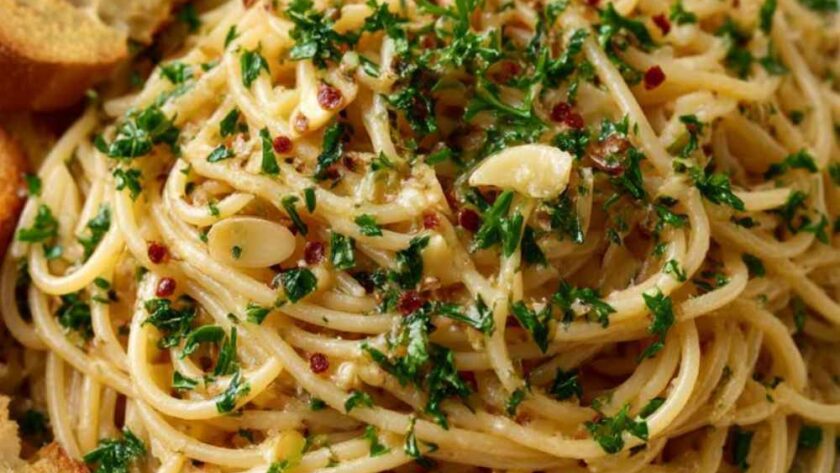
 This Gordon Ramsay aglio e olio is a masterclass in Italian simplicity. This recipe, made with just a handful of ingredients like spaghetti, garlic, olive oil, and chili flakes, relies on perfect technique to create a glossy, bold-flavored sauce. It’s a fast, elegant, and deeply satisfying dish, perfect for a quick weeknight dinner or a late-night meal, ready in the time it takes to boil pasta.
Gordon Ramsay Aglio e Olio Ingredients
- 250g (about ½ lb) high-quality spaghetti
- ¼ cup high-quality extra virgin olive oil
- 5 cloves garlic, thinly sliced
- ½ tsp red pepper flakes (adjust to taste)
- Kosher salt
- ½ cup reserved starchy pasta water
- 1 tbsp chopped fresh flat-leaf parsley (optional)
- Freshly grated parmesan or pecorino cheese (optional, for serving)
How To Make Gordon Ramsay Aglio e Olio
- Cook the Pasta: Bring a large pot of generously salted water to a rolling boil. Add the spaghetti and cook until it is very al dente (about 1-2 minutes less than the package directions). Just before draining, reserve at least ½ cup of the starchy, cloudy pasta water.
- Sauté the Garlic: While the pasta cooks, heat the olive oil in a large, cold skillet over a medium-low heat. Add the thinly sliced garlic and let it heat up slowly with the oil. Cook gently for 2-3 minutes, swirling the pan, until the garlic is a pale golden color and very fragrant. Do not let it brown or burn.
- Bloom the Chili: Add the red pepper flakes to the garlic oil and let them sizzle for about 10-20 seconds to infuse the oil with their heat and flavor.
- Combine and Emulsify: Using tongs, transfer the drained, al dente spaghetti directly into the skillet with the garlic oil. Add a good splash (about ¼ cup) of the hot, reserved pasta water.
- Finish the Sauce: Increase the heat to medium-high and toss the pasta vigorously in the pan for about 1-2 minutes. The starch from the pasta water will emulsify with the olive oil to create a silky, glossy sauce that perfectly coats every strand of spaghetti. If the sauce looks too dry, add another splash of pasta water.
- Serve: Remove the pan from the heat. Season with a pinch of salt if needed. Add the fresh parsley, if using, and toss one last time. Serve immediately in warm bowls, with an optional sprinkle of grated Parmesan cheese.

Recipe Tips
- How to get a silky, not oily, sauce? The starchy pasta water is the most important, non-negotiable secret to this dish. It is the magic ingredient that transforms the garlic-infused oil from a greasy coating into a creamy, emulsified sauce that clings to the pasta. Do not skip it!
- How to get a sweet, not bitter, garlic flavor? The key is to cook the garlic low and slow. Starting the sliced garlic in cold oil and bringing it up to temperature gently allows it to infuse the oil with its sweet, nutty flavor without burning. Browned garlic is bitter garlic.
- Why finish the pasta in the pan? This is a classic Italian technique that is crucial for the best flavor and texture. Finishing the al dente pasta for the final minute directly in the sauce allows the noodles to absorb the flavor and helps the starch from the pasta to thicken the sauce perfectly.
- Can I make this ahead of time? No. Aglio e Olio is a dish that is at its absolute peak the moment it comes out of the pan. It is meant to be made and eaten immediately. The delicate emulsion will separate and the pasta will become dry and clumpy upon reheating.
What To Serve With Aglio e Olio
This is a classic Italian pasta dish that is a complete and satisfying meal on its own. It is so simple and flavorful that it needs very little accompaniment. It is perfectly served with:
- A simple arugula salad with a lemon vinaigrette.
- A glass of a crisp Italian white wine, like a Pinot Grigio.
- A side of simple roasted or steamed vegetables like asparagus or broccoli.
- For a heartier meal, you can top it with grilled shrimp or a seared scallop.
How To Store Aglio e Olio
- Best Eaten Fresh: As noted, this dish does not store or reheat well. It is highly recommended to only make as much as you plan to eat.
Aglio e Olio Nutrition Facts
- Serving: 1/2 of recipe
- Calories: 650 kcal
- Carbohydrates: 85g
- Protein: 15g
- Fat: 28g
- Saturated Fat: 4g
- Sodium: 950mg
Nutrition information is estimated and may vary based on ingredients and cooking methods used.
FAQs
Is this dish supposed to be spicy?
The heat level is easily controlled by the amount of red pepper flakes you use. ½ teaspoon will give it a pleasant, warm kick. You can add more for a truly fiery dish or use less for a milder version.
Can I add cheese?
While traditional Aglio e Olio from Naples does not contain cheese, a sprinkle of high-quality, freshly grated Parmesan or Pecorino at the end is a very common and delicious addition in modern Italian-American cooking.
Why is my pasta so oily?
This is the most common problem and it is always because the pasta water was not used effectively. If your sauce looks like oily noodles, it means the emulsion broke or never formed. You need to add the hot, starchy water to the pan and toss the pasta vigorously to bind the oil and water together into a creamy sauce.
Try More Gordon Ramsay Recipes:
- Gordon Ramsay Chicken Parmesan Recipe
- Gordon Ramsay Green Beans With Mustard Dressing Recipe
- Gordon Ramsay Fish Chowder Recipe


Gordon Ramsay Aglio e Olio Recipe
Description
A classic and deceptively simple Italian pasta dish featuring spaghetti in a silky, emulsified sauce of garlic-infused olive oil, chili flakes, and starchy pasta water.
Ingredients
Instructions
- Cook the spaghetti in generously salted water until very al dente. Reserve ½ cup of the starchy pasta water before draining.
- In a cold skillet, add the olive oil and sliced garlic. Heat over medium-low, gently toasting the garlic until it is pale golden and fragrant.
- Add the red pepper flakes and let them sizzle for 10-20 seconds.
- Transfer the drained, al dente pasta directly to the skillet along with a splash of the hot pasta water.
- Increase the heat to medium-high and toss the pasta vigorously for 1-2 minutes until a creamy, glossy sauce forms and coats the noodles.
- Remove from the heat, stir in fresh parsley if using, and serve immediately.
Notes
- u003cliu003eu003cstrongu003ePasta Water is the Sauce:u003c/strongu003e The most important tip for this recipe is to save your hot, starchy pasta water. It is the non-negotiable secret ingredient that emulsifies the oil and creates the creamy, not greasy, sauce.u003c/liu003eu003cliu003eu003cstrongu003eSlow-Cook the Garlic:u003c/strongu003e Do not brown your garlic! Start the garlic in cold oil and heat it gently. This is the key to a sweet, nutty garlic flavor, not a bitter, burnt one.u003c/liu003eu003cliu003eu003cstrongu003eFinish Pasta in the Pan:u003c/strongu003e Never just pour sauce over plain noodles. Finishing the al dente pasta for the final minute in the pan with the sauce is a crucial step for a perfectly integrated and flavorful dish.u003c/liu003eu003cliu003eu003cstrongu003eServe Immediately:u003c/strongu003e Aglio e Olio is a dish that waits for no one. It must be eaten hot, straight from the pan, for the best texture. The sauce will become clumpy and oily as it cools.u003c/liu003e
